
FIFA Leadership Under Pressure After Stormy Council Meeting
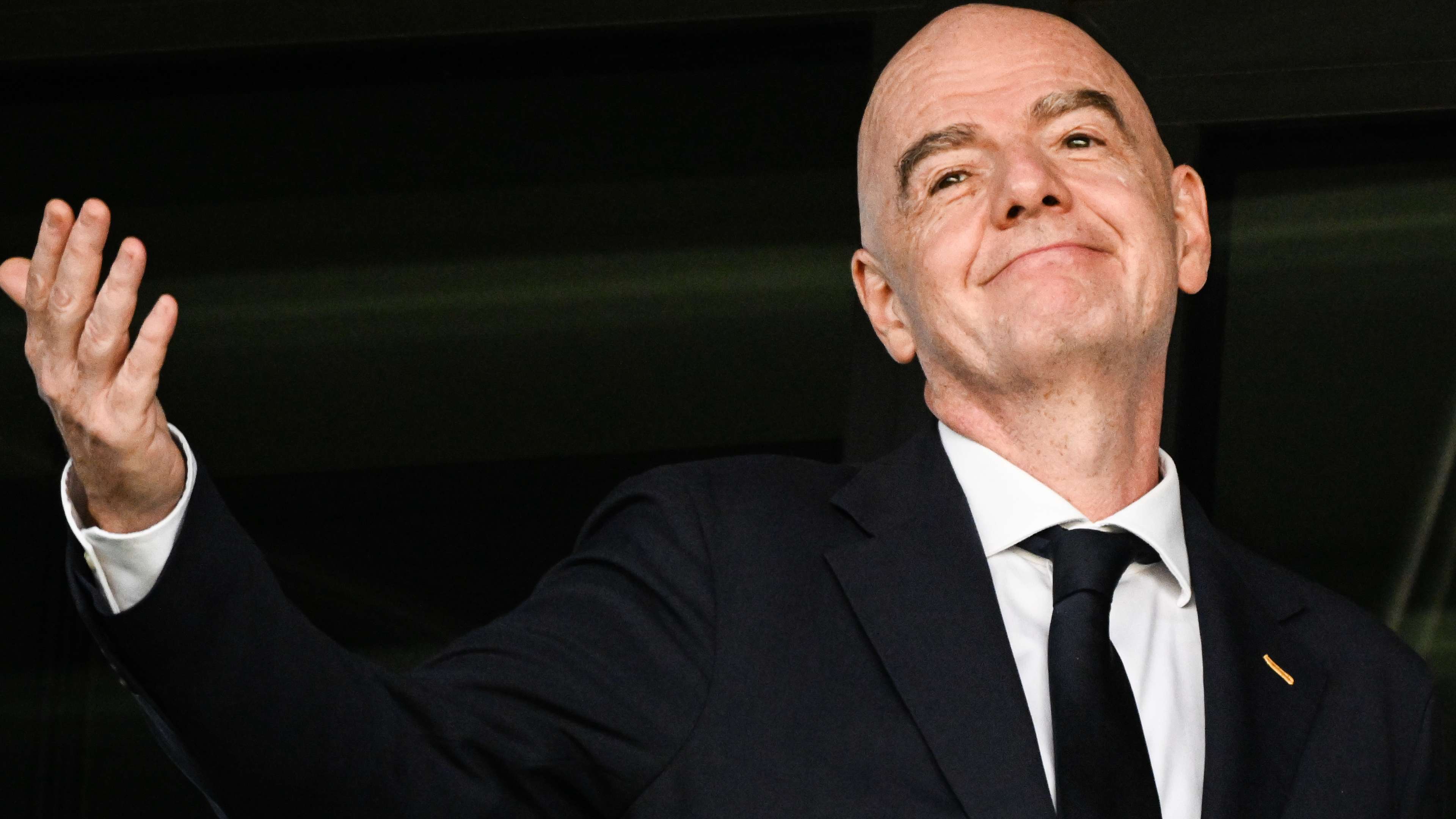
FIFA president Gianni Infantino is facing renewed scrutiny after a tense meeting with the organisation’s council in Zurich, where his apology over a confidential plan to commercialise World Cup rights failed to settle concerns. Council members are demanding full disclosure of the proposal and related documents, with one senior official warning that Infantino cannot lead world football effectively unless he answers their questions.
The dispute centres on a proposed project known as the FIFA Forward Enterprise (FFE). The plan reportedly involved transferring part of FIFA’s commercial rights to a private investment company—an arrangement that critics say could have reshaped how football’s governing body manages its most valuable assets. Infantino abandoned the proposal within days of it becoming public, but the decision has not ended the debate over how it was developed or who was consulted.
Questions About the FIFA Forward Enterprise Remain Unanswered
The council’s Thursday meeting was the first since the FFE controversy broke. Over three and a half hours, members discussed the proposal alongside other contentious issues, including the suspension of American striker Folarin Balogun, FIFA’s Peace Prize and the distribution of funding to national football associations.
For FIFA’s critics, the central issue is not simply that the commercial plan was withdrawn. They want to know who was involved, what terms were considered, what documents were prepared and why the council was not consulted before the proposal advanced. Those questions touch on a broader concern: whether major decisions affecting the future of football are being made transparently and with adequate oversight.
Debbie Hewitt, chair of the English Football Association and a FIFA vice-president, said council members had not received answers to their specific requests. She said she had asked for documents connected to the enterprise, but was told to submit questions in writing.
Hewitt described that response as inadequate, arguing that the president should address the concerns directly. In her view, the council’s demand for information is essential to restoring confidence—not merely a procedural disagreement over how a proposal was handled.
Infantino’s apology did not satisfy critics
Hewitt acknowledged that Infantino expressed some regret, but said his apology appeared focused on failing to bring the project before the council rather than on the wider concerns surrounding the plan. Critics want a fuller account of what happened and why the proposed transfer of commercial rights was considered in the first place.
The distinction matters because FIFA’s commercial income, particularly revenue connected to the men’s and women’s World Cups, supports football development around the world. National associations rely on funding for facilities, youth programmes and other projects. Any change to the way those assets are controlled could therefore affect both FIFA’s financial strategy and the resources available to member federations.
Until the requested information is made available, opponents argue, the apology alone cannot resolve the issue. Hewitt’s comments indicate that the council meeting has intensified rather than closed the debate over accountability at the top of the organisation.
UEFA Maintains Its Opposition to Infantino
European football’s governing body, UEFA, remains among Infantino’s most prominent critics. It has repeatedly called for him to step aside and has pursued legal action seeking the release of documents relating to the FFE proposal. UEFA has also prepared criminal proceedings against the FIFA president, while filing claims in three US courts to obtain records connected to the enterprise.
Asked whether the Zurich meeting had changed her view, Hewitt said it had not. She noted that Infantino had apologised, but added that she had received no new information that would alter her position. That response suggests the dispute is likely to continue unless FIFA provides a detailed explanation and the documents requested by council members become available.
The wider stakes extend beyond the immediate controversy. FIFA’s leadership influences decisions on tournament hosting, international football development, commercial partnerships and the distribution of funding among 211 member associations. For supporters and officials alike, the debate raises a fundamental question: how much transparency should be expected when decisions involve the global game’s most valuable properties?
Who Could Challenge Infantino in the FIFA Election?
Infantino is expected to seek a third term in the FIFA presidential election next March. A challenger would need support from at least five member associations to qualify, and the deadline for candidates to secure that backing is 18 November. So far, no contender has emerged with the profile or visible support needed to mount a serious campaign.
Former Tottenham Hotspur and Switzerland defender Ramon Vega has announced that he intends to stand. However, he faces the immediate challenge of obtaining the required endorsements, and it remains uncertain whether he can build a campaign capable of competing with Infantino’s established position.
Some influential figures in European football have reportedly encouraged Arsène Wenger to consider running. The former Arsenal manager now serves as FIFA’s global head of football development, meaning a presidential campaign would require him to take on the organisation’s current leader. Whether Wenger is willing to make that move—and whether he could attract enough support—remains unclear.
Finding a candidate is strategically important for Infantino’s opponents. He was re-elected without opposition in both 2019 and 2023, leaving voters without a competing programme. Hewitt argued that a contested election would give associations a meaningful choice and allow different ideas for football’s future to be debated.
Why a Contested FIFA Election Matters
A presidential race would not automatically settle the questions raised by the FFE controversy, but it could bring greater attention to governance, financial oversight and the relationship between FIFA’s leadership and its member associations. A challenger could set out alternative policies on commercial rights, funding priorities and decision-making, giving voters a chance to compare competing visions.
Any football prediction about the outcome remains uncertain. Infantino enters the expected contest with the advantage of incumbency, while his opponents have yet to unite behind a candidate. The eventual result may depend on whether critics can turn dissatisfaction into a coordinated campaign—and whether FIFA’s leadership responds to demands for transparency before the election takes place.
For now, the Zurich meeting has left FIFA facing an unresolved test of trust. Infantino’s apology may have acknowledged a failure to consult the council, but senior officials are calling for more: answers, documents and a clear account of how the proposed enterprise came to be. As the election deadline approaches, the organisation’s response could shape both the campaign and the wider debate over who gets to make the biggest decisions in world football.