
Gravenberch Red Card Sparks Manchester City Comeback as Liverpool’s Control Unravels
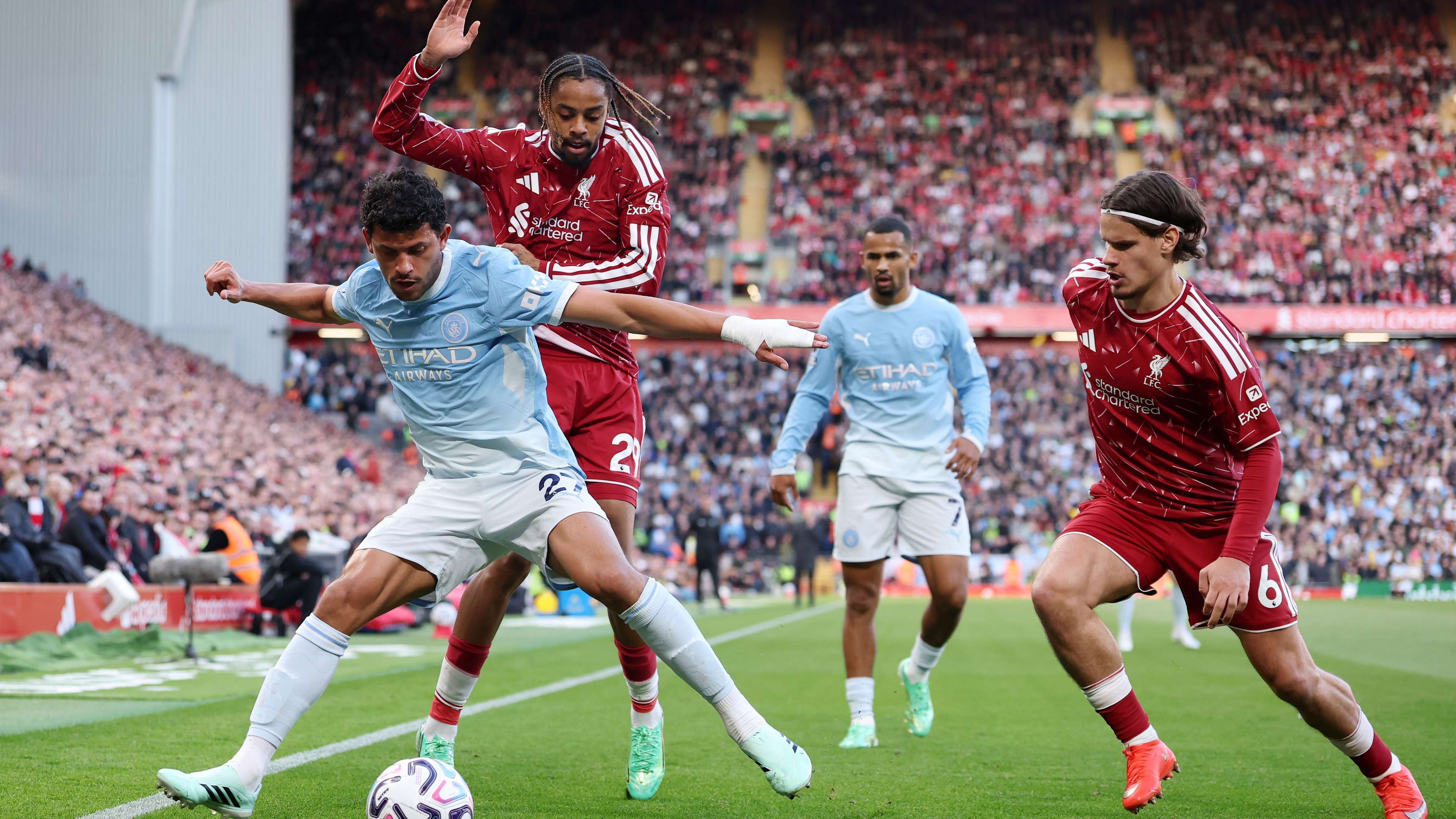
Liverpool’s promising display against Manchester City was transformed in a matter of minutes, as a second-half dismissal gave the visitors the opening they needed. Ryan Gravenberch’s red card in the 62nd minute shifted the balance of the match, and City quickly made their numerical advantage count. Erling Haaland struck three minutes later before Jeremy Doku added a superb second in the 68th, turning a tense contest into a major setback for the hosts.
The sudden swing was especially damaging because Liverpool had looked increasingly comfortable before the dismissal. Their pressure and movement had begun to disrupt City’s rhythm, with the home side finding ways to threaten rather than simply defend. But once reduced to ten players, Liverpool had to reorganize, protect their goal and cope with a City side able to attack with greater space and confidence.
The moment that changed the match
Gravenberch’s second yellow card came during a Manchester City counter-attack. The Dutch midfielder fouled Doku near the start of the move, and the referee showed him a red card in the 62nd minute. Liverpool were left to play the final half hour with ten men—a difficult task against opponents known for their patient possession and ability to exploit gaps.
The timing proved crucial. Before the dismissal, Liverpool had been building momentum and appeared capable of making the game uncomfortable for City. After it, their shape was immediately under pressure. A midfielder had been removed from the contest, leaving Liverpool with fewer options to close passing lanes, track runners and support attacks. City, meanwhile, could stretch the pitch and move the ball into dangerous areas with less resistance.
For supporters following the match, the red card became the defining moment in any post-match analysis or football prediction. It did not merely reduce Liverpool’s numbers; it changed the tactical problem facing both teams. Liverpool had to decide whether to keep pressing or retreat into a compact defensive block, while City could raise the tempo and target the spaces that appeared.
Haaland takes advantage of City’s extra man
Manchester City needed only three minutes to turn their advantage into a goal. Haaland found the breakthrough in the 65th minute, finishing a move that punished Liverpool for the loss of a player. The goal gave City the lead and changed the emotional tone of the match. Liverpool, who had been competing on more even terms, now had to chase the game while still managing the risks of playing short-handed.
Haaland’s strike also underlined why City are so dangerous when opponents lose their defensive balance. The Norwegian forward is capable of converting limited opportunities, and the extra space around Liverpool’s back line gave him the kind of opening he thrives on. Once City went ahead, they could use their control of possession to make Liverpool work even harder to regain the ball.
For Liverpool, the immediate challenge was to respond without allowing the match to slip further away. That is a difficult balance with ten men: committing players forward can expose the defence, but sitting too deep can invite wave after wave of pressure. City’s next attack showed just how little time the home side had to find a solution.
Doku’s brilliant finish doubles the lead
Only three minutes after Haaland scored, Doku delivered another decisive blow. The winger attacked from the left, cut inside and curled a fine effort beyond Alisson Becker in the 68th minute. It was a moment of individual quality, but it was also a product of the space and attacking freedom City had gained after Gravenberch’s dismissal.
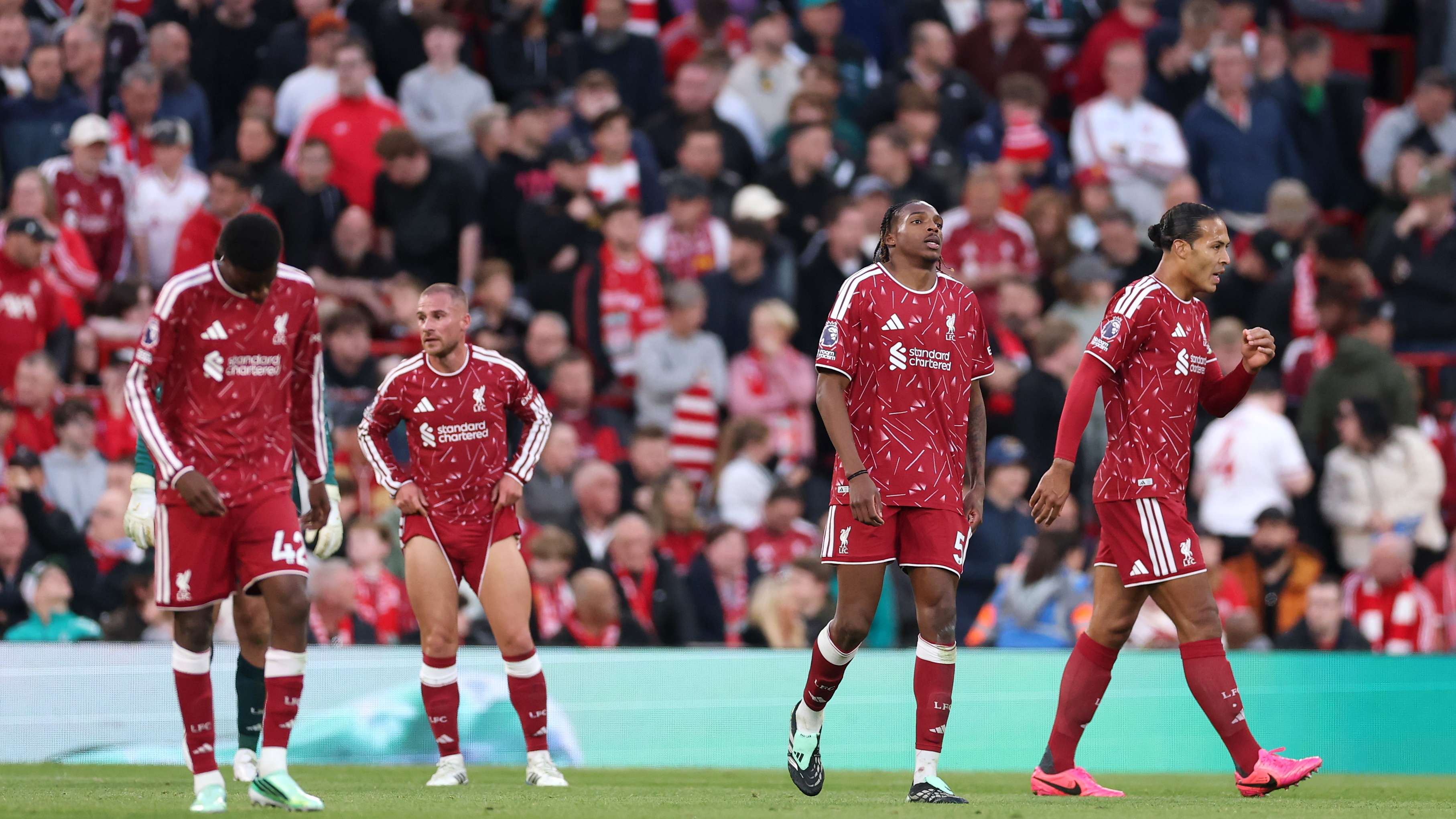
The second goal made the sequence particularly painful for Liverpool. In six minutes, the hosts had gone from a competitive position to trailing by two goals. City’s quick response after the red card demonstrated how efficiently a top side can exploit a numerical advantage. Haaland supplied the finishing touch, while Doku’s direct running and willingness to take on defenders made him a constant threat.
Alisson was left with little time to reset between the two goals, and Liverpool’s defenders faced an increasingly difficult task as City moved the ball across the pitch. The visitors could attack from different angles, forcing Liverpool to cover more ground with fewer players. That imbalance made it harder for the hosts to defend the penalty area and launch a meaningful counter-attack.
What the result means for the Premier League race
A City victory would take them to 18 points from six matches, giving them a perfect start and sole possession of the Premier League summit. Such a run would reinforce their status as early title contenders and provide further evidence of their ability to turn difficult matches in their favour. The speed with which they capitalized on Liverpool’s red card was a reminder that small turning points can have a major impact in a title race.
For Liverpool, the defeat would represent their first league loss of the season and a frustrating interruption to their early momentum. The performance before the dismissal offered encouragement, but the collapse that followed will raise questions about discipline, defensive organization and the team’s ability to adapt when circumstances suddenly change. Gravenberch’s absence left Liverpool with little room for error, and City punished the mistake almost immediately.
The result also offers a broader lesson for teams facing elite opposition: maintaining discipline is essential when a match is finely balanced. One sending-off can reshape the tactical picture, especially against a side with City’s depth, movement and finishing quality. Liverpool’s challenge was not only to replace Gravenberch’s contribution but to reorganize quickly enough to prevent City from exploiting the gaps.
Match outlook and prediction implications
For anyone assessing future meetings between the sides, this game provides useful context but should not be treated as a simple forecast. Liverpool showed that they could compete before the red card, while City demonstrated how dangerous they become when given extra space. A football prediction for their next encounter will need to consider team availability, form, venue and tactical adjustments—not just the final score of this match.
City’s ability to respond rapidly to a major turning point will strengthen confidence in their title credentials. Liverpool, however, have reasons to believe they can learn from the setback. Their pre-dismissal control suggests the contest may have been far closer than the final sequence implied. Ultimately, Gravenberch’s 62nd-minute sending-off changed everything: Haaland and Doku struck in quick succession, and Manchester City took full advantage of a moment that turned Liverpool’s promising evening into a painful defeat.