
Moroccan Coach Tarek Sektioui Reflects on Oman’s Heavy Defeat in Gulf Cup: Insights, Predictions, and Future Outlook
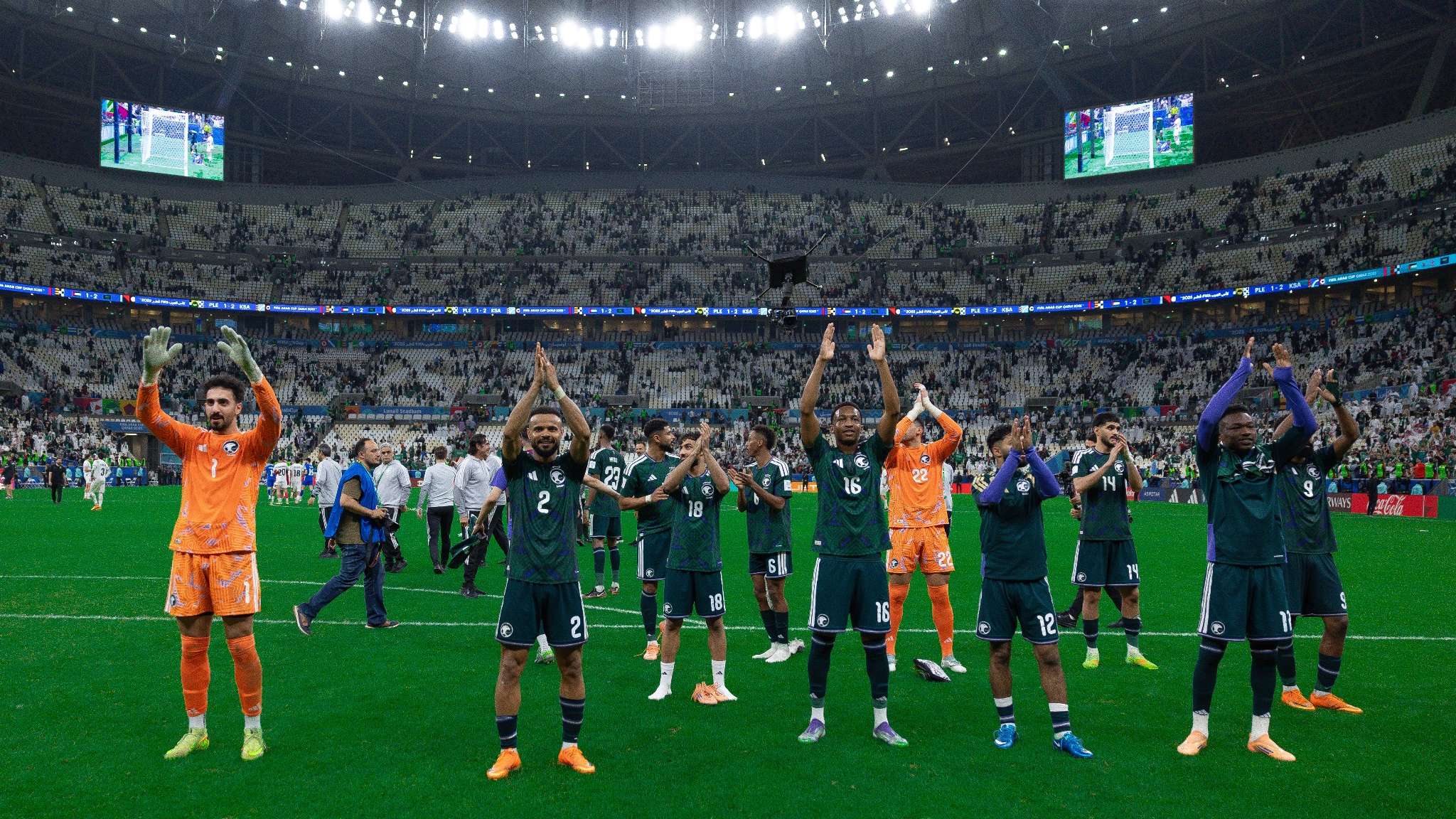
The recent clash in the Arabian Gulf Cup “Gulf 27” has left many fans and analysts pondering the tactical dynamics and future prospects of the participating teams. Notably, Oman’s national football team faced a significant 3-0 defeat at the hands of Saudi Arabia, a result that has sparked extensive discussions about team performance, strategic adjustments, and the road ahead. Tarek Sektioui, the Moroccan coach leading the Oman team, provided a candid and insightful analysis of the match, shedding light on the challenges faced and the lessons learned, while also offering a glimpse into the team’s prediction and outlook for the remainder of the tournament.
Understanding the Heavy Loss: Coach Sektioui’s Honest Appraisal
Post-Match Reflections and Emotional Response
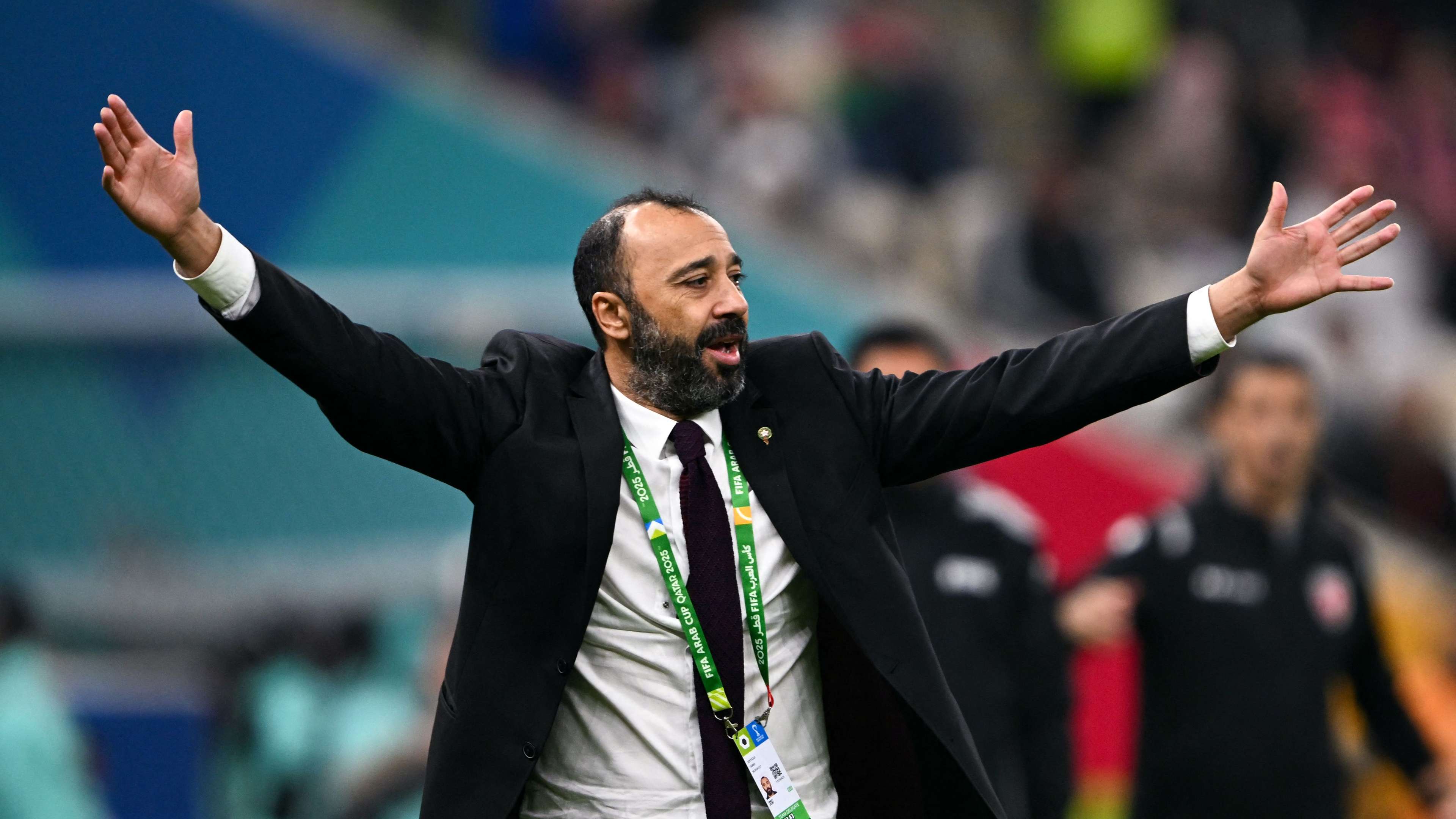
In the aftermath of the game played at the Al-Inma Stadium in Jeddah, Sektioui expressed his disappointment but maintained a professional tone. Speaking at the press conference, he admitted that the 3-0 result was a tough pill to swallow, emphasizing that the team felt uncomfortable throughout the match. “The result is big, frankly. We felt uncomfortable, and we would have liked to win,” he stated. His words reflect the genuine frustration and desire for improvement that often accompany heavy defeats in high-stakes tournaments.
Analyzing Performance: First-Half Struggles and Second-Half Improvements
The Moroccan coach was particularly candid about the team’s first-half performance, describing it as “very poor,” with Oman conceding both goals due to defensive lapses. Despite this, Sektioui acknowledged that the team exhibited resilience in the second half, showing an improved tactical approach that could have inspired hope for a comeback. Unfortunately, the damage was already done, and the final scoreline reflected the disparity in performance levels.
Strategic and Tactical Insights
Sektioui emphasized that the defeat would not prompt a shift in his strategic approach. He highlighted that facing a formidable opponent like Saudi Arabia required a high physical and mental level, particularly in aerial duels and ground battles—areas where Saudi Arabia dominated. “Winning the aerial and ground battles was crucial, and unfortunately, these went in Saudi Arabia’s favor,” he explained. The coach also pointed out that the team’s selection was based on available elements and that the opposing team simply outperformed them on the day.
Building Resilience: The Path Forward for Oman Football
Maintaining Confidence and Focus
Despite the setback, Sektioui remained optimistic about the team’s future, asserting that the loss would not change their approach. “We believe that if the dream is a habit, then it requires continuous effort,” he said. His words underline the importance of resilience and perseverance, especially in the context of international football, where every match is a learning opportunity.
Commitment and Tactical Adjustments
The coach praised his players for their dedication, noting that they gave their heart and soul on the field. He mentioned tactical changes made during the second half, including a strategic shift to a three-defender setup, aimed at bolstering defensive stability. “If we had managed to score a goal, it could have sparked hope for an equalizer,” Sektioui added, emphasizing that motivation often hinges on small moments of success in football prediction and match momentum.
Physical Fitness and Fatigue Management
Sektioui highlighted fatigue as a contributing factor to the team’s struggles, suggesting that the physical demands of the tournament were taking their toll. “In the first half, the opponent was better physically and in agility,” he noted. Recognizing the importance of maintaining peak physical condition, he stressed the need for rest and proper preparation to meet the rigorous demands of future matches.
Analyzing the Match: Football Prediction and Tactical Lessons
Key Factors Influencing the Outcome
From a football prediction perspective, the match underscored the significance of physical endurance, tactical discipline, and mental resilience. Saudi Arabia’s dominance in aerial duels and their aggressive pressing game proved decisive. Oman’s inability to win critical duels and match the physicality of their opponents was apparent, offering valuable insights for future predictions and strategic planning.
What Oman Needs to Do Next
Oman’s current standing in the Gulf Cup is precarious, with just a single point from their initial matches. To keep their hopes alive, they must secure a victory against Kuwait in their upcoming fixture on Tuesday. Additionally, they will need to rely on results elsewhere, particularly hoping Iraq can upset Saudi Arabia, which would drastically improve their chances of qualification. The large goal difference gap also suggests that Oman must improve their attacking efficiency and defensive organization to swing the odds in their favor.
Predicting the Road Ahead
As football fans and analysts look ahead, the prediction for Oman’s chances hinges on several factors: tactical discipline, player fitness, and mental toughness. Sektioui’s team must focus on winning duels, controlling possession, and capitalizing on scoring opportunities. The coach’s emphasis on continuous development indicates that with proper adjustments, Oman can turn their fortunes around and possibly emulate their previous successes in regional tournaments.
The Broader Context: Football Development and Future Prospects
This match serves as a reminder of the importance of strategic planning and player development in football. Oman’s football federation is aware of the need to invest in youth programs, coaching education, and tactical innovation to elevate their national team’s competitiveness. International tournaments like the Gulf Cup are crucial platforms for testing players and refining strategies, and each defeat offers valuable lessons for future prediction models and team improvements.
Beyond the Gulf Cup: Long-Term Vision
Looking beyond this tournament, Oman aims to qualify for larger competitions such as the AFC Asian Cup and even dream of participating in the FIFA World Cup. Achieving these ambitions requires building a resilient football culture, fostering talent, and adopting modern training methodologies. Sektioui’s leadership, with its emphasis on tactical discipline and player commitment, could be instrumental in steering Oman toward these long-term goals.
Conclusion: Embracing Challenges and Shaping the Future of Oman Football
The heavy defeat against Saudi Arabia may seem like a setback, but it also provides a pivotal learning opportunity. As Tarek Sektioui and his team analyze the reasons behind their loss, they are poised to make the necessary adjustments, strengthen their physical and tactical preparedness, and refine their football prediction strategies. With resilience, strategic focus, and continued development, Oman’s footballing journey remains hopeful. Fans and stakeholders alike look forward to witnessing how this promising team evolves, learns from adversity, and strives to achieve their football dreams on the regional and international stage.