
Peter Schmeichel Backs Michael Carrick Despite Manchester United’s Winless Run
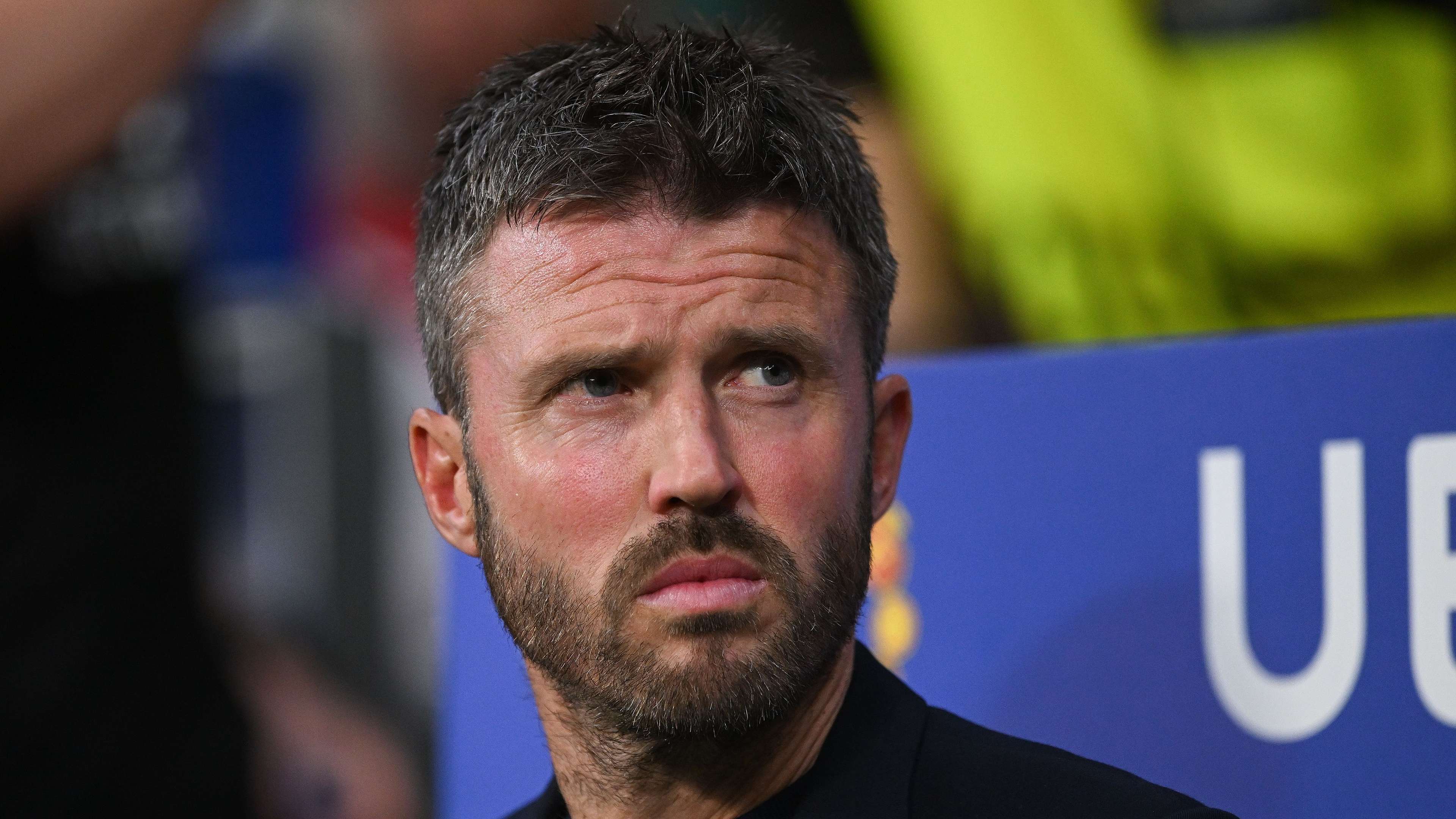
Peter Schmeichel believes Michael Carrick is not in immediate danger of losing his position at Manchester United, despite the club’s worrying run without a victory. The former United goalkeeper says the people in charge at Old Trafford continue to see Carrick as an important part of the club’s long-term plans, rather than a short-term appointment whose future should be judged solely by recent results.
That backing offers some reassurance at a time when pressure is rising around the team. A winless streak naturally brings questions about tactics, confidence and leadership, particularly at a club with United’s expectations. But Schmeichel’s view is that a difficult spell does not automatically mean the club has lost faith in Carrick or is preparing to make an immediate change.
Why Schmeichel Believes Carrick Still Has United’s Support
Schmeichel’s comments are significant because he understands the demands placed on anyone associated with Manchester United. During his playing career, the Danish international experienced the scrutiny that comes with representing one of football’s most closely followed clubs. He knows that every poor performance can prompt intense debate, while every managerial decision is examined by supporters and pundits alike.
In that environment, a sequence without wins can quickly become a story about the manager’s future. Yet results are only one part of the picture. Club executives may also consider the team’s performances, the quality of the squad, the development of younger players and whether the manager’s approach fits the club’s broader direction. Schmeichel’s assessment suggests United’s leadership may still believe Carrick can contribute to that longer-term project.
That does not mean Carrick is immune from criticism or that results no longer matter. At a club of United’s stature, progress must eventually show up on the pitch. Rather, the point is that a difficult run does not necessarily trigger an instant decision—especially if those in charge believe the team can recover and the manager remains aligned with their plans.
A Winless Streak Creates Pressure—but Not Always an Immediate Exit
Manchester United’s recent lack of victories has intensified attention on the team’s form. When a side fails to win over several matches, small problems can become more visible: missed chances, defensive lapses, misplaced passes and a lack of composure in key moments. Those issues can affect confidence, making it harder for players to respond when a game turns against them.
For Carrick, the immediate challenge is to halt that cycle. A convincing performance, even before a long winning run begins, could help restore belief among the players and supporters. A positive result can also give the squad breathing space to work on the details that have contributed to the slump, from improving the balance between attack and defence to making better decisions under pressure.
However, patience at a major club is rarely unlimited. United’s history and global following mean that expectations remain high, and the club will be judged by whether it can compete consistently. Schmeichel’s confidence in Carrick therefore points to a belief in the club’s current thinking—not a guarantee that the manager’s position will remain secure regardless of what happens next.
What Carrick Needs to Show on the Pitch
The most effective response to speculation is usually a stronger run of performances. Carrick will need his side to show greater consistency, particularly in the areas that have been exposed during the winless spell. United must turn promising passages of play into goals, protect leads more effectively and avoid giving opponents easy opportunities to take control.
There is also a leadership element to the task. During a difficult period, players need clear roles and a shared understanding of how the team should respond when matches become tense. Carrick’s ability to communicate his plan, make timely adjustments and keep the dressing room focused could be just as important as any tactical change.
Supporters will also look for signs of identity. A team does not need to dominate every match to demonstrate progress, but it should show purpose and commitment. Better pressing, more coordinated movement and improved control of possession can all help create a sense that the side is moving in the right direction, even before the results fully reflect that improvement.
Long-Term Planning and the Manchester United Prediction
Schmeichel’s comments raise a broader question about how United should judge progress. Clubs can be tempted to react quickly when results turn poor, but frequent changes of direction may make it harder to build a stable team. If the club believes Carrick fits its long-term vision, maintaining a clear plan could give him and the players a better chance to address the problems on the field.
That approach still requires accountability. Long-term backing is most convincing when it is matched by measurable improvement: stronger performances, better use of the squad and a clearer competitive identity. If those signs appear, the current slump may be remembered as a difficult phase rather than a turning point. If they do not, pressure is likely to grow, regardless of the confidence expressed by former players.
Any football prediction about Carrick’s future remains uncertain because it depends on results that have yet to be delivered. Schmeichel’s position, however, is clear: he does not believe the manager is facing an immediate dismissal, and he thinks United’s decision-makers still regard him as part of their longer-term future. That makes the next stretch of fixtures especially important—not only for the league table, but for rebuilding confidence and testing whether the club’s faith can be rewarded.
The Road Ahead for Carrick and United
Manchester United now need a response that is visible in both performance and results. Ending the winless run would ease the immediate pressure, but consistency will matter more than a single good afternoon. Carrick must help the team regain confidence, sharpen its execution and show that the squad can learn from setbacks rather than repeat them.
For now, Schmeichel’s backing offers a counterpoint to the growing speculation. It suggests that, behind the noise surrounding United’s poor form, the club may still be thinking beyond the latest result. Whether that confidence proves justified will depend on what happens next on the pitch. In football, patience can support a genuine rebuild—but it must ultimately be matched by progress.