
Dortmund’s Tactical Switch Pays Off as Late Equaliser Secures 2-2 Draw at Bayern
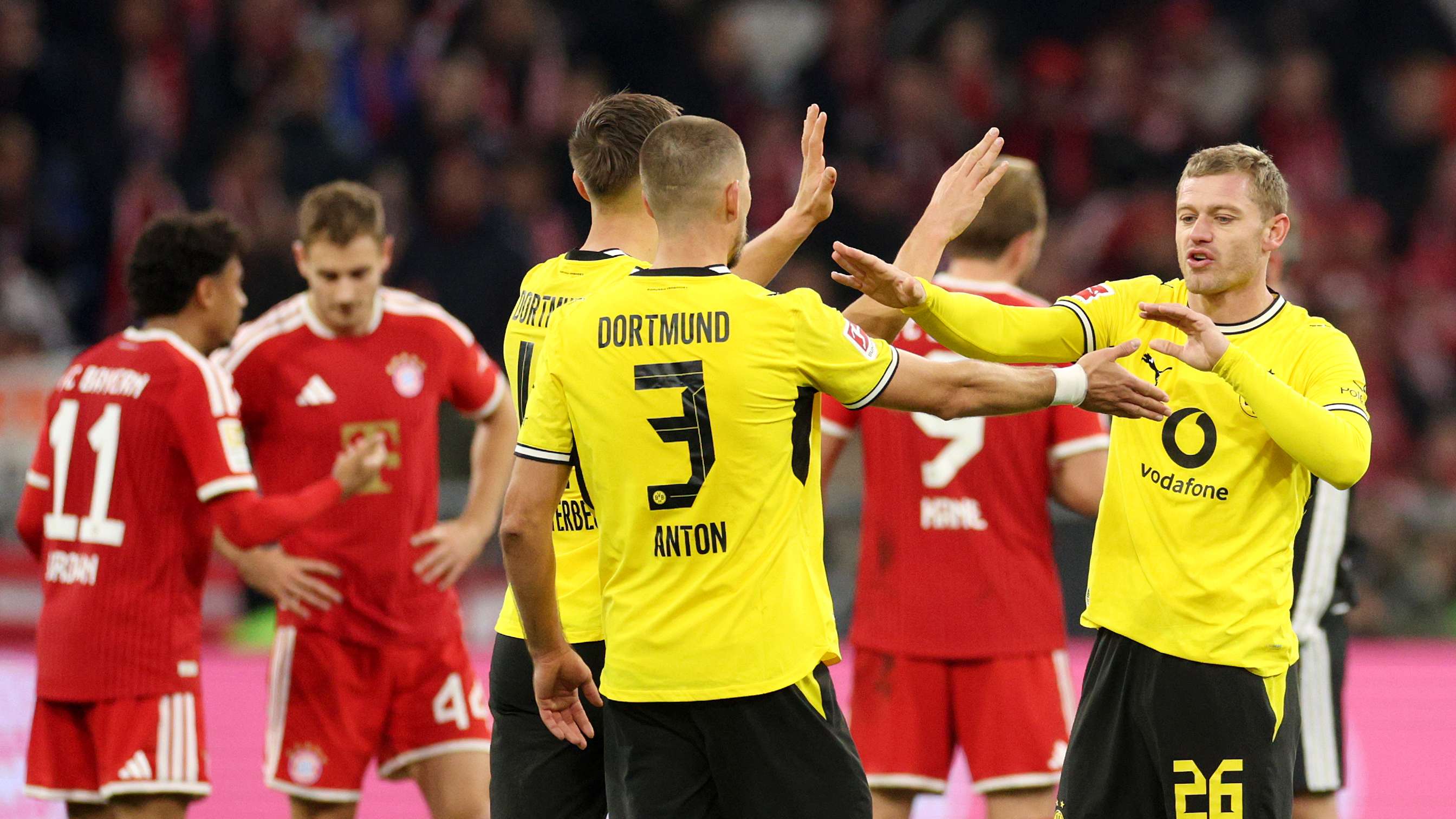
Borussia Dortmund left Munich with a hard-earned point after coming from behind twice to draw 2-2 with Bayern Munich, but the result was only part of the story. The visitors’ change to a back four, an unsettled final training session and a late surge of energy all featured in the post-match discussion after Saturday evening’s Bundesliga clash.
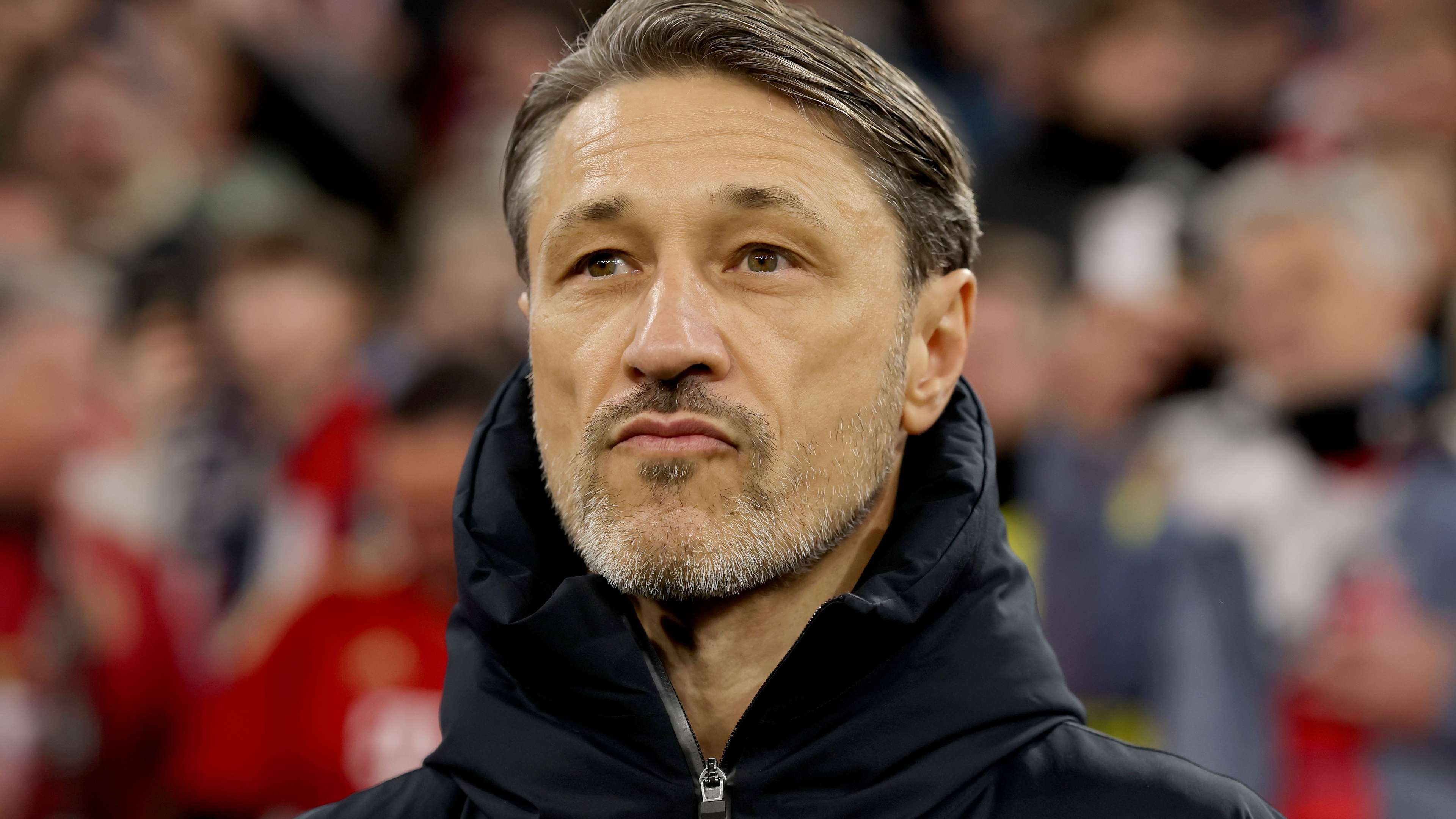
Dortmund captain Nico Schlotterbeck suggested that the team’s preparation had not been entirely smooth, while head coach Niko Kovac acknowledged that he had not been fully satisfied with the previous day’s work. Yet BVB showed resilience at the Allianz Arena, responding to both Bayern goals before substitute Fabio Silva struck late to claim a point.
Schlotterbeck puts intensity ahead of formation
Dortmund have generally favoured a back three under Kovac, making the decision to start with four defenders in Munich a notable tactical adjustment. Asked by Sky about the change, Schlotterbeck said the coach had consulted him and Waldemar Anton about their views on the system.
For the captain, however, the formation itself was not the defining issue. He pointed instead to the team’s intensity, enjoyment of the game and willingness to compete for individual duels—qualities that can matter as much as a tactical diagram in a high-pressure football match.
One of the players asked to adapt was Joane Gadou, who started at right-back rather than in his more familiar position on the right side of a back three. Schlotterbeck praised the youngster’s performance, saying he had “done really well” against Bayern’s attacking threat.
Daniel Svensson occupied the left-back role, while Maximilian Beier was used farther forward on the right wing. Beier had been expected to operate as a wing-back in Dortmund’s more customary system, but the revised setup gave him a more advanced starting position. The change offered Kovac a different balance: four defenders behind the ball, with Beier able to contribute more directly to attacks.
Kovac admits the final training session fell short
After the match, Schlotterbeck drew attention to the mood in training the day before the trip to Munich. “The final training session wasn’t the best,” he said, adding that reporters could ask Kovac for further details.
The Dortmund coach confirmed that the squad had worked on the back four during that session, including specific movements and responsibilities. He admitted he was “not entirely satisfied” with how the practice had gone, but did not elaborate on what had caused concern.
Kovac also offered a light-hearted perspective, suggesting that matches can sometimes go better when the final training session has not been ideal. His broader point was that the system should not have been unfamiliar to the players: many of them already use a back four when representing their national teams.
That experience may have helped Dortmund adjust quickly, even if the tactical switch had not looked perfect in training. Against a Bayern side capable of exploiting small gaps, the visitors needed clear communication and concentration across the defensive line. Their ability to stay in the contest—and respond after falling behind—was a significant part of the eventual result.
Two Bayern leads, two Dortmund responses
Bayern took the lead in the 38th minute through Konrad Laimer, giving the hosts a reward for their pressure before half-time. Dortmund had to wait until after the break to respond, but Serhou Guirassy brought the visitors level around the hour mark.
The parity did not last long. Dayot Upamecano restored Bayern’s advantage, putting Dortmund under renewed pressure and leaving the away side with a difficult task in the closing stages. Rather than retreating, BVB continued to push for another opening.
Kovac’s decision to introduce Fabio Silva proved decisive. The substitute scored late to make it 2-2, rescuing a point and underlining the value of having attacking options ready to influence the game from the bench. For Dortmund, the goal turned a demanding evening into a statement of persistence: Bayern had twice moved ahead, but could not finish the job.
Fitness and late-game resolve make the difference
Kovac credited his players’ work rate after the final whistle, claiming Dortmund covered around two kilometres more than Bayern. He argued that such effort is essential in a match of this level, particularly in the final 15 minutes, when fatigue can open spaces and decisive moments often emerge.
The statistic, as presented by the coach, helped explain why Dortmund were still able to press for an equaliser late in the game. High-intensity running does not guarantee a result, but it can support the pressing, recovery runs and second-ball challenges needed to stay competitive against an opponent with Bayern’s attacking quality.
His praise for the squad’s fitness also offered a useful insight into the team’s approach. Dortmund were not simply relying on a tactical adjustment; they needed the stamina to carry out that plan under pressure and the determination to keep attacking after conceding. The late goal reflected both elements.
What the draw means for Dortmund’s outlook
The 2-2 result gives Dortmund encouragement as well as questions to consider. The switch to a back four produced a competitive performance in one of the most demanding away fixtures in German football, and Gadou’s display at right-back was a positive sign. At the same time, Kovac’s comments suggest there is still work to do before the revised structure becomes fully settled.
For supporters assessing Dortmund’s next steps, the key prediction is not necessarily that the back four will replace the team’s usual system permanently. Instead, the performance may strengthen Kovac’s tactical options. A side able to move between a back three and a back four can respond more flexibly to different opponents, match situations and personnel available.
The draw also highlighted the value of squad depth. Guirassy supplied the first response, while Silva came off the bench to deliver the second. If Dortmund can combine that attacking contribution with the energy Kovac praised and greater consistency in training, they will have a stronger platform for the challenges ahead.
Ultimately, Dortmund’s point in Munich was built on adaptability and resilience. The preparation may have been imperfect, and Bayern twice looked poised to take control, but BVB kept competing until the final stages. That determination turned a difficult away match into a valuable result—and gave Kovac plenty to build on.