
Controversy and Tension Ahead of Ireland vs. Israel Football Match: A Deep Dive into the Political and Security Context
The upcoming UEFA Nations League fixture between Ireland and Israel has been surrounded by unprecedented controversy, raising questions about the intersection of sports, politics, and international relations. The scheduled match, set to take place in Backa Topola, Serbia, on October 8th, has become more than just a football prediction; it has evolved into a flashpoint due to recent diplomatic tensions, security concerns, and heated exchanges during press conferences.
Unexpected Disruption at Ireland’s Press Conference
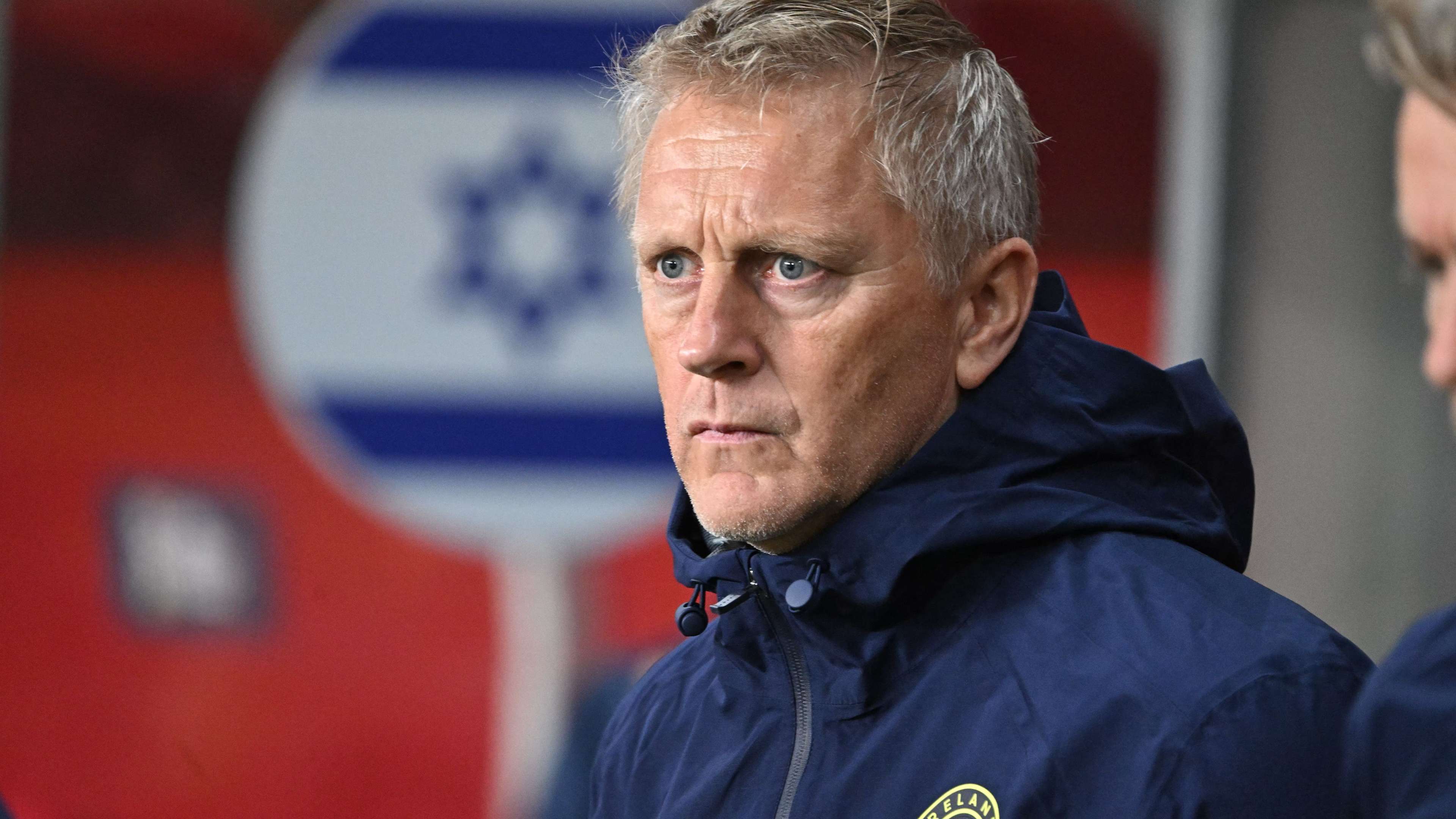
In a dramatic turn of events, Ireland’s pre-match press conference was abruptly called off after a contentious exchange involving Irish officials and Israeli journalists. The incident occurred on Saturday when Republic of Ireland manager Heimir Hallgrimsson was fielding questions from the media. Tensions escalated quickly when journalists from Israel posed provocative questions, focusing on recent security incidents and accusations involving both nations.
Allegations and inflammatory questions
One Israeli journalist challenged Hallgrimsson directly, asking for his reaction to an alleged attack on a Flydubai aircraft on Wednesday, which had 174 passengers onboard. The journalist stated, “What do you say to the people who support you? Their ideology is based on murder,” referencing recent violent incidents linked to the region. The journalist further claimed, “This week alone, one of them tried to kill 170 Israeli passengers, including 27 innocent children and thousands more,” implying a direct connection to Irish supporters or political stances.
The Irish press officer responded firmly, indicating that such questions were unacceptable, citing the need to keep the press conference focused on football. However, the situation intensified when another Israeli journalist accused Irish players of making racist gestures during a recent match, alleging that Irish players called Israeli opponents “monkeys” during the game. This claim was vehemently denied by the Irish delegation, who repeatedly insisted, “That is completely untrue,” attempting to de-escalate the confrontation.
As the exchange grew more heated, security personnel intervened, and a member of the Irish delegation physically removed the microphone from the journalist. The journalist shouted, “Don’t touch me,” as the Irish officials decided to end the press conference prematurely, highlighting the heightened sensitivities surrounding the event.
Security Incidents and Political Backdrop
The political tension extends beyond the pitch and press conference. On the same flight from Dubai to Israel, a disturbing incident occurred involving the aircraft’s crew. The co-pilot reportedly attacked the pilot with an emergency axe, prompting passengers to subdue him. Fortunately, the aircraft managed a safe landing, but Emirati authorities classified the event as a “terrorist act,” underscoring the volatile security environment in the region.
This incident has heightened fears of potential disruptions or violence surrounding the football match, especially given the broader geopolitical context. UEFA and local authorities are now on high alert, emphasizing the importance of maintaining safety for players, officials, and fans alike.
Political and Diplomatic Tensions Impacting the Football Fixture
The football match has become a mirror reflecting ongoing political strife, with Ireland standing out as a vocal supporter of the Palestinian cause. Since October 2023, amid Israel’s military response to Hamas attacks in Gaza, Ireland has taken a firm stance, including officially recognizing the State of Palestine in 2024. The Irish government and football associations have openly expressed solidarity with Palestinian civilians, adding layers of complexity to the upcoming game.
In the first leg of the Nations League, held in Hungary, Irish players notably showed their political stance by bowing their heads during the Israeli national anthem—a gesture that drew condemnation from Israeli officials. Gideon Saar, Israel’s Foreign Minister, accused Dublin of being “on the wrong side of history,” further fueling diplomatic tensions.
Meanwhile, calls for a boycott of the match due to Israel’s military actions in Gaza have gained momentum within Irish society and political circles. Some groups have argued that participating in the game could be seen as tacit approval of Israel’s military operations, prompting debates about the role of sports in political expression and activism.
Implications for Football Prediction and International Relations
For football enthusiasts and analysts, the question of football prediction for this match now carries an added layer of complexity. External factors—such as security concerns, political protests, and diplomatic disputes—could influence team performance, player focus, and overall game dynamics.
The match is expected to be fiercely contested, with both teams aware of the high stakes beyond the pitch. Ireland’s support for Palestinians and their stance on regional conflicts may serve as motivation for their players, but it could also lead to increased pressure and distractions. Conversely, Israel’s desire to assert their sovereignty and respond to political criticism might impact their tactical approach and morale.
Broader Context: Football as a Platform for Political Voice
This incident underscores a broader trend where international football matches transcend sport, becoming platforms for political expression and diplomatic signaling. Countries involved in regional conflicts often see their national teams become symbols of national identity, resistance, or protest.
In recent years, FIFA and UEFA have grappled with how to navigate these sensitive waters, balancing the integrity of the sport with respect for political realities. The Ireland vs. Israel fixture exemplifies this delicate balancing act—where the beautiful game intersects with the tumult of geopolitics.
Looking Ahead: Security and Diplomacy in Focus
As fans, analysts, and officials anticipate the outcome of the match, the focus remains on ensuring safety and fostering a respectful sporting environment. UEFA has reiterated its commitment to security, working closely with local authorities to prevent any escalation of violence or protests during the game.
Additionally, diplomatic channels continue to engage, aiming to de-escalate tensions and promote dialogue. The hope is that, despite the heated rhetoric and recent incidents, the game can serve as a moment of unity rather than division, demonstrating the power of football to bridge divides even amid political turmoil.
Conclusion
The upcoming Ireland vs. Israel football fixture is more than a prediction of who will win; it has become a reflection of the complex geopolitical landscape that influences modern sport. From heated press conference exchanges to security incidents classified as terrorist acts, the match encapsulates the challenges of hosting international football amidst ongoing conflicts.
For fans and followers of football prediction, this game offers a compelling narrative—one where sport and politics collide, reminding us of the profound role football plays in shaping societal conversations. As the match day approaches, all eyes will be on Backa Topola, not just for the football, but for what it symbolizes in the broader context of international relations and peace efforts.