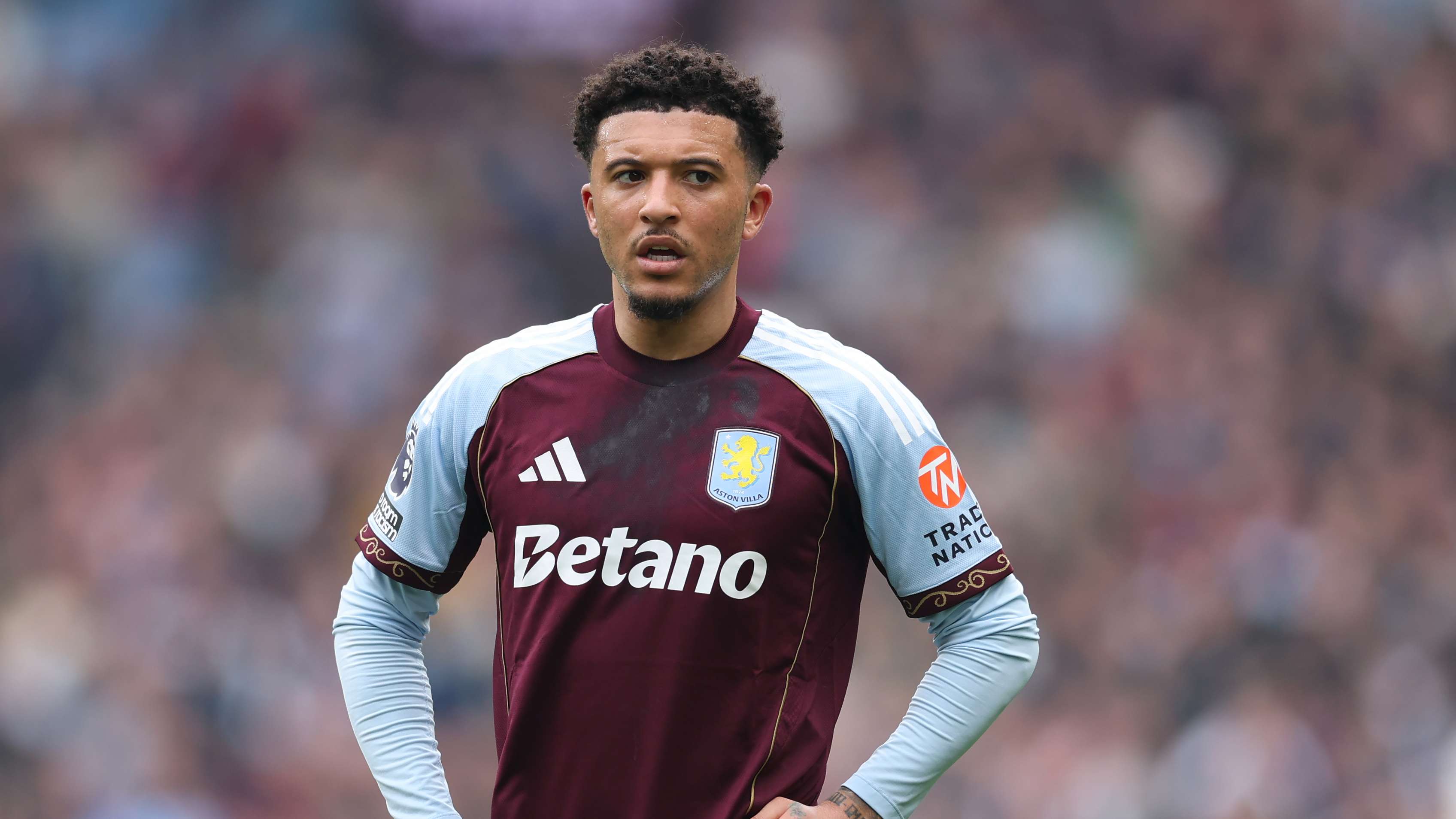

Jadon Sancho’s Transfer Saga Continues as Krasnodar Declines to Sign Manchester United Star
Jadon Sancho, one of the most talented and promising English footballers of his generation, remains in a state of uncertainty regarding his future. The winger, who has been searching for a permanent club to reignite his career, recently faced a significant setback in his transfer journey. Reports indicate that Russian Premier League club Krasnodar has decided against pursuing a transfer deal, effectively halting any immediate plans to add Sancho to their squad.
Background: Sancho’s Challenging Transition at Manchester United
Since his high-profile move from Borussia Dortmund to Manchester United, Sancho has encountered several hurdles. Expectations were sky-high when the English international arrived in 2021, with fans and pundits alike anticipating a resurgence of his prolific goal-scoring and creative prowess. However, his adaptation to the Premier League and Manchester United’s tactical setup has been less straightforward than anticipated.
Sancho’s performances have often been marred by inconsistent form and limited playing time under different managerial regimes. Despite his undeniable talent, the lack of regular minutes has prompted the 23-year-old to consider a transfer, aiming to find a club where he can thrive and demonstrate his true potential. The move to Krasnodar was seen as a possibility for a fresh start, offering a new environment and the opportunity to rediscover his rhythm.
Krasnodar’s Decision: The Transfer Prediction Turns Negative
However, the latest developments suggest that this transfer prediction did not materialize as hoped. Krasnodar, a club known for its ambitious plans and desire to bolster its squad with experienced international players, reportedly declined to proceed with Sancho’s transfer. The reasons behind this decision are multifaceted, encompassing financial considerations, squad composition, and perhaps strategic direction.
Sources close to the matter indicate that Krasnodar’s management was hesitant to commit to the financial terms needed for a transfer of Sancho’s caliber. As a club operating within the constraints of the Russian Premier League’s financial regulations, they must carefully evaluate their transfer predictions and budget allocations. Moreover, the club’s scouting and tactical needs may not align with Sancho’s profile, leading to their decision to step back from negotiations.
Implications for Sancho and Future Transfer Predictions
The rejection from Krasnodar marks a notable twist in Sancho’s ongoing transfer prediction saga. It underscores the unpredictability of football transfers, especially for a player seeking a new environment amid fluctuating club interests and market conditions. For Sancho, this setback emphasizes the importance of strategic career planning, as he explores options that might better suit his style and ambitions.
While the Krasnodar transfer prediction has now been dismissed, it opens the door to alternative pathways. Sancho’s representatives are likely to intensify their efforts in identifying clubs that can offer both competitive football and a clear role for the winger. Potential options could include clubs in other European leagues, where transfer prediction models suggest a higher likelihood of success and playing time for players of Sancho’s profile.
The Broader Context: Transfer Market Trends and Player Movement Predictions
This development is reflective of broader trends in the football transfer market, where prediction models are increasingly used to anticipate player moves based on various factors such as club needs, financial health, and player preferences. However, the Sancho-Krasnodar case demonstrates that transfer prediction remains inherently uncertain, often influenced by unforeseen factors like club strategy shifts or economic constraints.
In recent years, transfer prediction algorithms have gained prominence, helping clubs, agents, and fans gauge the likelihood of certain moves. Yet, the Sancho scenario reveals that even with sophisticated forecasting tools, football transfers are ultimately subject to complex negotiations and human decision-making processes.
What’s Next for Jadon Sancho?
With Krasnodar’s decision now confirmed, the focus shifts back to Sancho’s next move. The player and his advisors are likely to explore other transfer options, possibly in major European leagues such as La Liga, Serie A, or Bundesliga, where the transfer prediction for his success remains favorable. Clubs in these leagues are known for their tactical adaptability and could provide the ideal environment for Sancho to rediscover his form.
Moreover, the ongoing transfer window continues to be dynamic, with potential developments that could influence Sancho’s future. Transfer prediction models will continue to play a crucial role in assessing opportunities, but ultimately, player decisions, club negotiations, and market conditions will shape the final outcome.
Conclusion: Navigating Uncertainty in Football Transfers
Jadon Sancho’s recent transfer setback highlights the unpredictable nature of football markets and the importance of adaptable transfer predictions. While the initial hope was for a smooth move to Krasnodar, the club’s decision to decline the transfer underscores the need for players and clubs alike to remain flexible and strategic in their planning.
As Sancho continues his quest for a permanent home, the football world will be watching closely. His talent remains undeniable, and with the right move, he could still turn his career around and fulfill the lofty expectations set for him. For now, the transfer prediction landscape remains fluid, reminding all stakeholders that in football, nothing is certain until the deal is completed.
Stay tuned for updates on Sancho’s next steps and how the transfer prediction models continue to evolve in the fast-paced world of football transfers.