
Runjaic Takes Responsibility After Udinese’s Heavy Home Defeat to Lecce
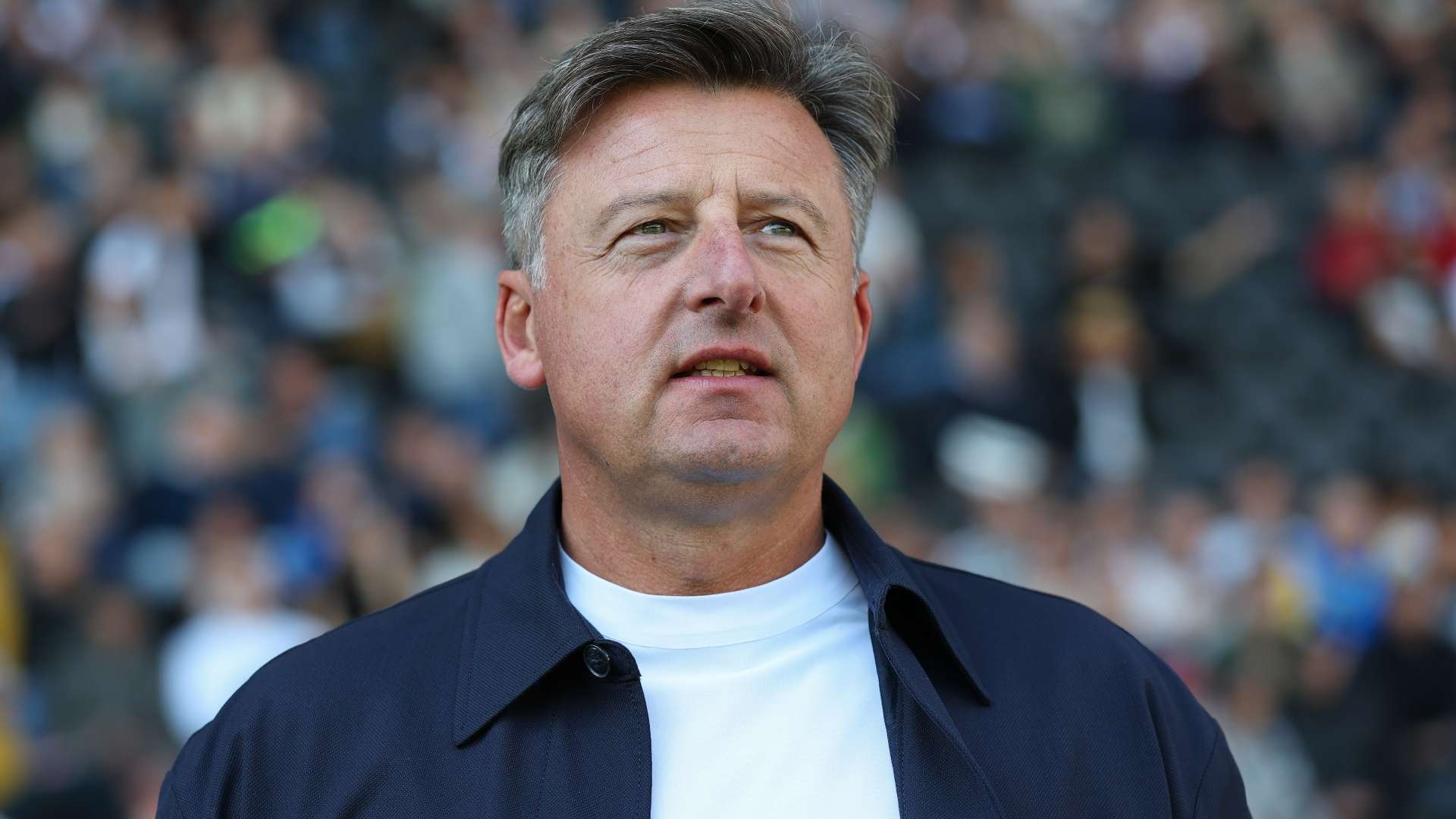
Udinese manager Kosta Runjaic did not soften his assessment after his side suffered a damaging home defeat to Lecce. Calling it the worst performance since his arrival, the coach said Udinese lacked intensity, lost too many physical battles and failed to produce the level of football their supporters expected.
The result was more than a poor afternoon at the stadium. It added pressure to a team already searching for consistency and raised questions about how quickly Udinese can recover. Runjaic acknowledged the seriousness of the situation, accepted responsibility and urged the squad to respond with unity and honest self-examination.
Runjaic: Udinese Fell Short Across the Pitch
Runjaic’s post-match comments were unusually direct. He said Udinese had not competed strongly enough in the duels and were “not intense enough,” identifying those shortcomings as central reasons for the defeat. In his view, the problem was not limited to one tactical mistake or a single poor spell: almost the entire team failed to perform at its usual level.
The coach singled out Davis and Alaba for their work in the first half, while also exempting goalkeeper Okoye from his broader criticism. But he made clear that individual exceptions could not change the overall picture. Udinese, he said, had delivered a thoroughly poor performance and needed to understand why so many players struggled at the same time.
That collective failure is an important point for supporters to consider. Football matches can turn on a decisive error, but a team that loses physical contests and lacks energy often gives itself little chance to control the game. Against Lecce, Udinese appeared unable to establish the intensity and cohesion needed to impose their style.
Manager Accepts Responsibility as Pressure Builds
Runjaic did not attempt to shift blame onto his players. He said he was responsible for this defeat, as he had been for previous results, reinforcing the idea that the manager must answer for the team’s preparation, shape and response on the pitch.
That admission may help create a clear starting point for the next phase, but it does not remove the pressure. A heavy home loss can quickly intensify scrutiny of a coach, particularly when results have been difficult to sustain. Runjaic acknowledged that he understood the club’s circumstances and admitted he had not expected such a performance.
His challenge now is to turn responsibility into practical change. That could mean revisiting the team’s approach to pressing, improving its competitiveness in one-on-one battles or making adjustments to help players regain confidence. The most effective response will depend on identifying the causes of the collapse rather than treating the result as an isolated bad day.
A Long Wait for a Home Victory
The defeat also brought fresh attention to Udinese’s record at home. Runjaic noted that the team’s last home win came in May, a statistic that underlines why the result felt particularly painful for the supporters. A home ground is meant to provide energy and familiarity, yet Udinese have struggled to turn that advantage into victories.
Ending that run will require more than a change in mood. Udinese need to show greater purpose from the opening minutes, compete consistently when possession is contested and make their attacking moments count. For fans, the key signs to watch in the next match will be visible ones: sharper pressing, stronger reactions after losing the ball and greater commitment in challenges.
Home form can also shape a team’s confidence. When wins are scarce, players may begin to feel the pressure of the crowd or become cautious when a match is still in the balance. A determined start and a disciplined performance could help restore belief, even before results fully turn around.
Runjaic Believes Udinese Can Recover
Despite the scale of the setback, Runjaic said he felt capable of turning the team around. He also pointed to Udinese’s history, noting that the club has experienced difficult periods in previous decades. That context offers perspective, though it does not lessen the immediate need for improvement.
Recovery in football rarely comes from one speech alone. It depends on the manager and players agreeing on what went wrong, then demonstrating a different level of performance in the next opportunity. Runjaic’s call for unity is therefore paired with a demand for direct and clear communication. The message is not to ignore the defeat, but to confront it without allowing frustration to divide the group.
For Udinese, the next few fixtures could become a test of character as much as tactics. A strong response would not erase the loss to Lecce, but it could show that the squad has absorbed the criticism and is prepared to compete with greater urgency.
What the Result Means for Udinese’s Next Match
Any football prediction for Udinese’s next outing will depend on how the team reacts. The Lecce defeat makes it difficult to assume that a quick turnaround is guaranteed, especially given the concerns over intensity and home form. At the same time, a public admission of responsibility from the manager may sharpen focus and create a clear demand for improvement.
Supporters will be looking for more than a different scoreline. They will want to see a side that fights for second balls, supports teammates and remains organised when the opposition applies pressure. If Udinese can restore those basics, they may give themselves a better platform to rediscover their attacking rhythm.
Runjaic ended with sympathy for the fans, recognising that they had to watch the opposition celebrate on Udinese’s home ground. His closing appeal was for the club to remain united while speaking honestly about the problems. That balance—togetherness without avoiding difficult truths—may define the team’s response.
Udinese now face a straightforward but demanding task: learn from one of their poorest performances under Runjaic and show that the defeat can become a turning point. The manager has accepted his share of the blame. The next step belongs to the whole team.