
Tottenham Captain Criticized for Choosing Argentina Trip Over Team Support
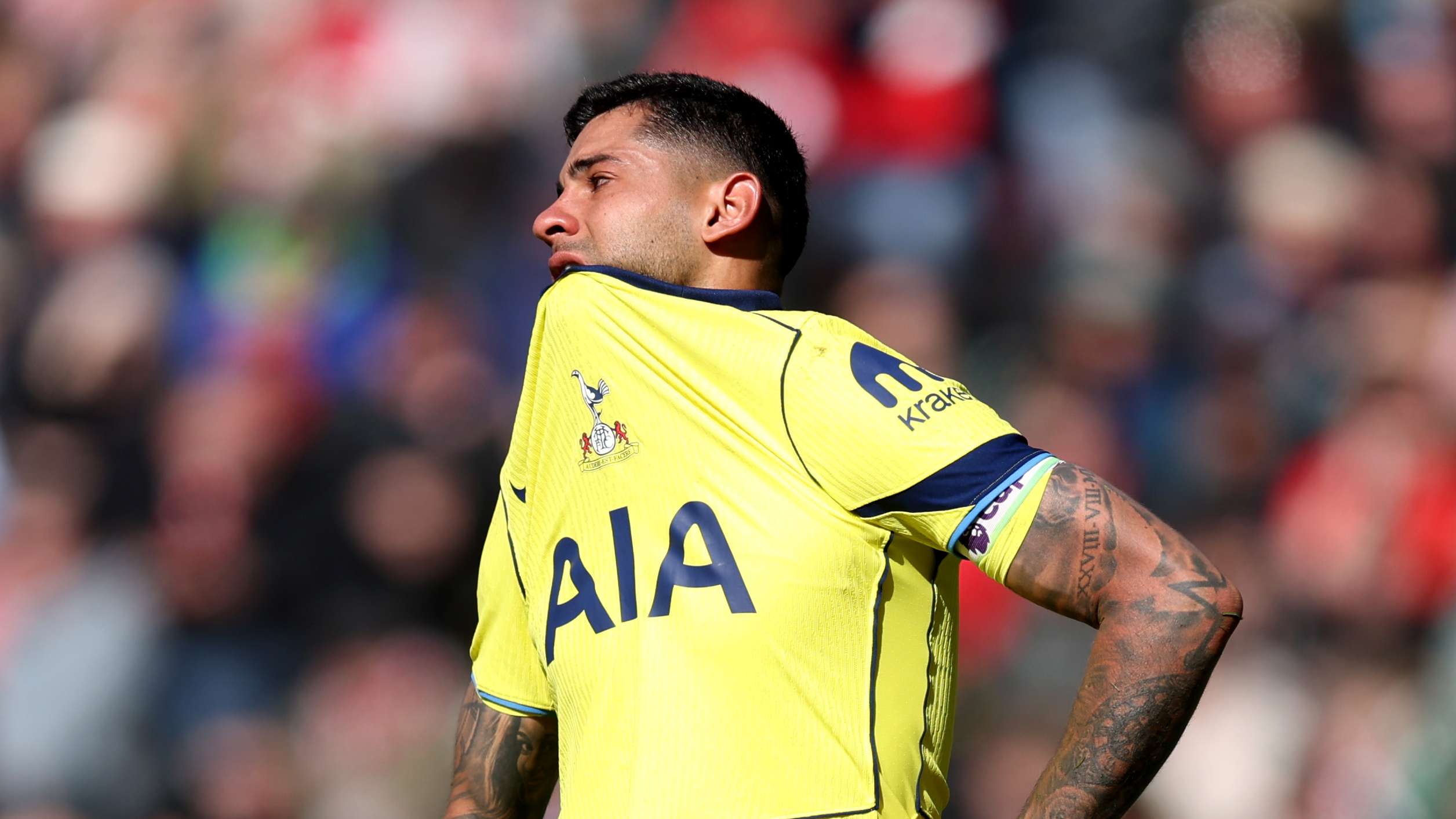
Tottenham Hotspur’s captain, Cristian Romero, is facing criticism after deciding to fly back to Argentina to support his boyhood club, Belgrano, in a championship decider against River Plate, rather than be present for his team’s crucial Premier League relegation decider against Everton. The defender’s choice to prioritize watching his former club’s match has sparked outrage among fans and pundits alike.
Controversial Decision Sparks Backlash
Romero, who is currently sidelined due to injury, has come under fire for his absence during Tottenham’s final-day match, which could determine their fate in the Premier League. The decision to fly thousands of miles away to watch a game in Argentina has raised questions about his commitment to his current club and teammates.
The Argentine defender’s actions have not gone unnoticed by Tottenham supporters, who expected their captain to be present to show support and solidarity with the team during this crucial moment. Many fans took to social media to express their disappointment and frustration over Romero’s choice.
Personal Loyalty vs. Professional Responsibility
Romero’s decision highlights the delicate balance between personal loyalty and professional responsibility in the world of football. While it is understandable that the defender may have strong emotional ties to his boyhood club, critics argue that his absence during such a critical match sends the wrong message to his teammates and fans.
Some have defended Romero, pointing out that his injury likely played a role in his decision to travel back to Argentina. However, others believe that as the team captain, he should have prioritized his duties to Tottenham and been present to offer his support, regardless of his injury status.
Impact on Team Dynamics
The absence of the team captain during a crucial match can have a significant impact on team dynamics and morale. Romero’s decision to miss the match against Everton could potentially affect the players’ confidence and performance on the pitch, as they may feel let down by their leader’s absence.
Furthermore, the controversy surrounding Romero’s choice could create tension within the squad and lead to questions about his commitment to the team. As Tottenham faces the possibility of relegation, unity and solidarity among players are more important than ever, making Romero’s absence all the more glaring.
Looking Ahead
As Tottenham prepares for their final match of the season against Everton, the focus remains on the pitch and the team’s performance. While Romero’s absence has stirred up controversy, the players and coaching staff must remain focused on the task at hand and strive to secure a positive result to avoid relegation from the Premier League.
Regardless of the outcome, the aftermath of this incident is likely to linger, with questions about loyalty, commitment, and professionalism in football continuing to be debated among fans, pundits, and players alike.
Keywords: football, prediction, Tottenham, Cristian Romero, Premier League, relegation, Argentina, controversy, loyalty, commitment.
Impact of Romero’s Decision on Team Performance
Romero’s absence during Tottenham’s crucial match against Everton could have a ripple effect on the team’s overall performance. As the captain, his leadership and presence on the field play a vital role in guiding and motivating his teammates. Without him on the pitch, the team may struggle to find the same level of cohesion and direction, potentially impacting their ability to secure a positive result.
Additionally, Romero’s decision to prioritize personal loyalty over professional responsibility may create a sense of unease and discontent within the squad. Team dynamics could be disrupted, affecting communication, trust, and overall morale. Players may feel demotivated or let down by their captain’s absence, leading to a lack of unity and focus during the match.
The Importance of Commitment and Accountability in Football
The controversy surrounding Romero’s choice underscores the significance of commitment and accountability in professional football. Players are not only responsible for their individual performances but also for upholding their duties to their team and club. As a captain, Romero is expected to set an example for his teammates and demonstrate unwavering dedication to the club’s goals and objectives.
While it is natural for players to have emotional connections to their former clubs, professional responsibilities must take precedence, especially during critical moments in the season. The decision-making process of players, particularly team captains, can significantly impact team dynamics, performance, and overall success.
Lessons Learned for Future Situations
As Tottenham navigates the aftermath of Romero’s controversial decision, there are valuable lessons to be learned for both the player and the club. Communication and transparency are key in ensuring that players understand their responsibilities and the consequences of their actions on the team.
Moving forward, establishing clear guidelines and expectations regarding player commitments and priorities can help prevent similar situations from arising in the future. Clubs may also consider implementing protocols for player involvement in personal matters during critical periods of the season to maintain team unity and focus.
The Role of Fan Expectations and Public Perception
In the world of football, fan expectations and public perception play a significant role in shaping player behavior and decisions. Romero’s choice to attend the championship decider in Argentina over Tottenham’s relegation battle has sparked a backlash from fans and pundits, highlighting the importance of meeting the expectations of supporters and stakeholders.
Players must navigate the delicate balance between personal interests and professional obligations while considering the impact of their actions on the club’s reputation and fan base. Maintaining a positive relationship with supporters and demonstrating a strong sense of loyalty and commitment can help build trust and goodwill within the football community.
Conclusion
As the football world continues to discuss Romero’s controversial decision, the incident serves as a reminder of the complex dynamics at play in professional sports. Balancing personal loyalty with professional responsibility, understanding the impact of player decisions on team dynamics, and considering fan expectations are all integral aspects of the game.
Ultimately, the aftermath of this incident will shape conversations around loyalty, commitment, and leadership in football, prompting players, clubs, and fans to reflect on the values that underpin the sport and drive its success.
Keywords: football, prediction, Tottenham, Cristian Romero, Premier League, relegation, Argentina, controversy, loyalty, commitment.