
Rio Ferdinand Calls for Unity as Manchester United Continue Their Post-Ferguson Rebuild
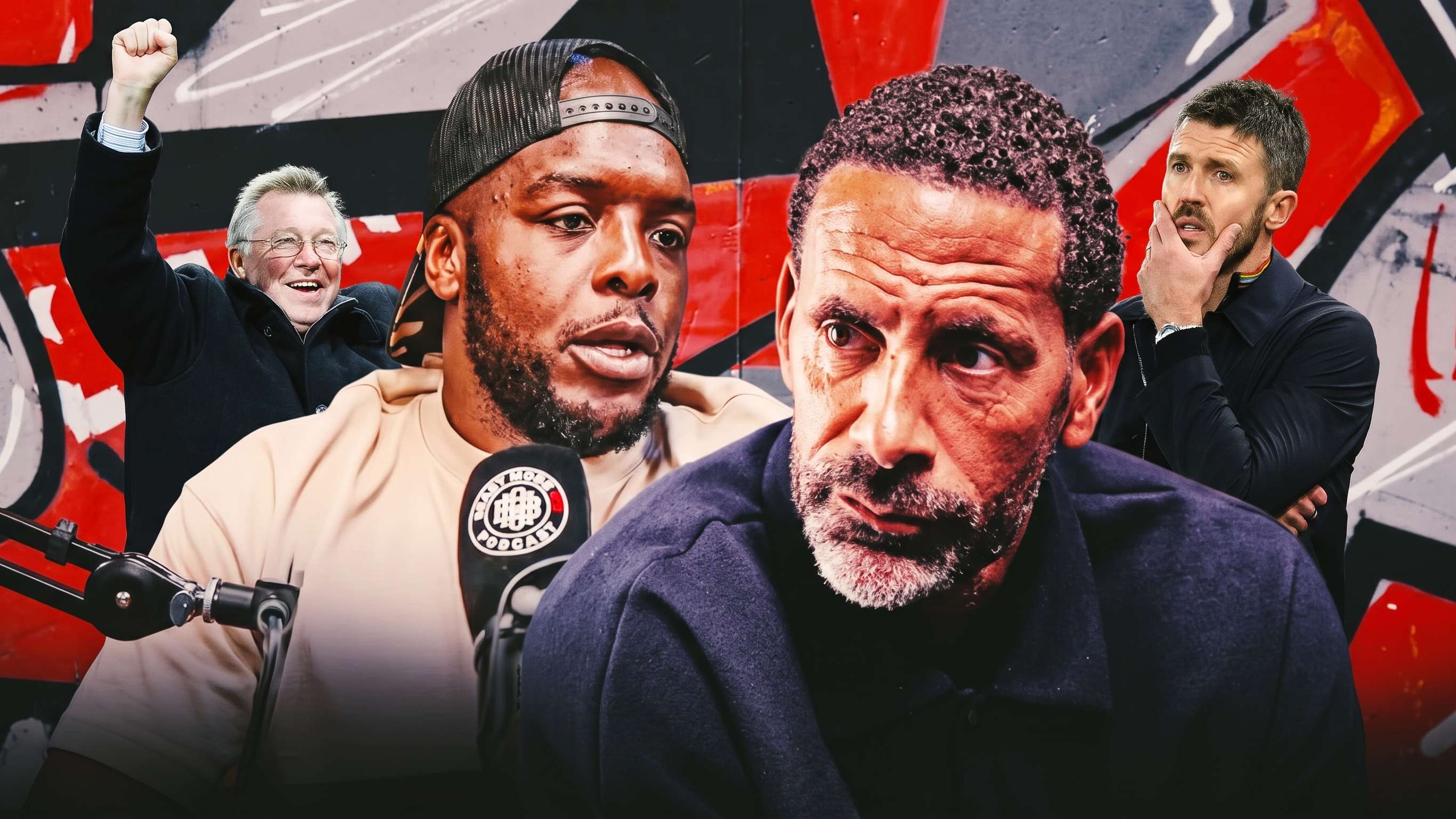
Rio Ferdinand has offered a heartfelt assessment of Manchester United’s difficult post-Sir Alex Ferguson era, urging the club’s supporters and leadership to show greater unity as the team works to regain its place among football’s elite. The former United captain’s message is rooted in affection for the club, but it also reflects the frustration of watching a once-dominant side struggle to find consistency across successive seasons.
For Ferdinand, the challenge at Old Trafford is not simply a matter of choosing the right manager or signing a handful of new players. Manchester United must rebuild the standards, trust and shared purpose that once defined the club. That process, he suggests, cannot be rushed—and it is unlikely to succeed if the manager is left exposed whenever results turn against the team.
The weight of Manchester United’s expectations
Manchester United’s history is both an advantage and a burden. The club’s success under Ferguson created expectations that remain exceptionally high, even as the football landscape has changed and rivals have grown stronger. Supporters are accustomed to competing for major trophies, while the club’s global profile means every setback is discussed and scrutinised around the world.
That context can make a rebuilding project especially difficult. A run of poor results quickly becomes a debate about the manager’s future, the quality of the squad and the direction of the club. Ferdinand’s perspective is valuable because he experienced United at its most successful and understands the standards that come with wearing the shirt. He also recognises that restoring those standards takes more than invoking the past.
United’s post-Ferguson years have brought repeated changes in leadership, playing style and recruitment priorities. Each new appointment has arrived with the hope of delivering a fresh start, but frequent changes can make it harder to establish a clear football identity. When plans are repeatedly reset, players and supporters may be left uncertain about what the club is trying to become.
Why protecting the manager matters
Ferdinand’s call for support should not be mistaken for a demand that managers escape criticism. At a club of United’s stature, performance and results must be judged honestly. But there is a difference between accountability and creating an environment in which the manager is constantly undermined before a long-term plan has had time to take shape.
A head coach needs a stable framework around him: clear expectations from the board, a recruitment strategy that fits the intended style of play, and a squad capable of carrying out the plan. If those elements are missing, changing the person on the touchline may provide a short-term lift without addressing the deeper problems. The next manager can then inherit many of the same structural issues.
Protecting the manager, in this sense, means giving the role proper support and making responsibilities clear. It also means allowing a reasonable period for players to adapt to new methods. That does not guarantee success, but it gives the club a better chance of building something lasting rather than reacting to every difficult spell with another dramatic reset.
Rebuilding the dressing room and the club culture
Ferdinand’s reflections also point towards the importance of the dressing room. A successful team is not built from talent alone. Players must understand their roles, accept high standards and trust one another when matches become difficult. At United, where the spotlight is intense, a united squad can help absorb pressure; a divided one can magnify it.
Culture is shaped by everyday decisions as much as by speeches. Training standards, competition for places, leadership within the squad and the way the club responds to setbacks all influence the atmosphere. Experienced players can help set the tone, but the responsibility extends to coaches, executives and new signings. Everyone must understand what is expected of them.
Recruitment is part of that cultural work. United need players who can improve the team technically, but also individuals suited to the demands of playing for a club where every performance carries enormous attention. A balanced squad requires more than headline names: it needs reliable defenders, midfielders who can control games, forwards who contribute consistently and leaders who remain composed under pressure.
What a realistic United rebuild could look like
A credible rebuilding plan begins with a clear football identity. The club must decide how it wants to play and then ensure that coaching, recruitment and player development support that approach. Without alignment, even talented signings can struggle to fit, while promising young players may find their progress disrupted by changing systems.
Manchester United also need patience—but patience should be linked to measurable progress. Supporters can reasonably expect improvement in areas such as organisation, intensity, consistency and performances against strong opponents. A long-term project does not mean accepting poor results indefinitely. It means assessing whether the team is moving in the right direction instead of judging every decision solely by the latest scoreline.
For fans looking ahead to upcoming fixtures, that distinction matters. A match prediction can be influenced by recent form, injuries, tactical choices and the confidence within the squad, but one result rarely tells the whole story of a season. United’s ability to respond after setbacks may offer a more revealing sign of progress than a single impressive performance.
Ferdinand’s message to supporters
Ferdinand’s comments carry particular weight because he speaks as both a former captain and a supporter who remains emotionally connected to Manchester United. His concern is not simply that the club has lost matches or trophies. It is that the sense of direction and togetherness associated with its greatest teams has become harder to recognise.
That does not mean the past can be recreated exactly. Modern football is more competitive, and United cannot rely on nostalgia to solve present-day problems. But the principles behind the club’s former success—strong leadership, clear standards, smart recruitment and collective belief—remain relevant.
The road back will demand difficult decisions and sustained effort. Managers must be judged fairly, players must meet the demands of the shirt, and the club’s leadership must provide a coherent plan. Ferdinand’s central point is that progress becomes much harder when everyone is pulling in a different direction.
Manchester United’s recovery will not be decided by one press conference, one transfer window or one result at Old Trafford. It will depend on whether the club can turn its history into a foundation for the future rather than a constant comparison with the past. For Ferdinand, unity and patience are not excuses for underperformance; they are essential conditions for a genuine rebuild.