
Franck Ribéry Reflects on 2013 Ballon d’Or Snub and Embraces New Chapter in Football Management
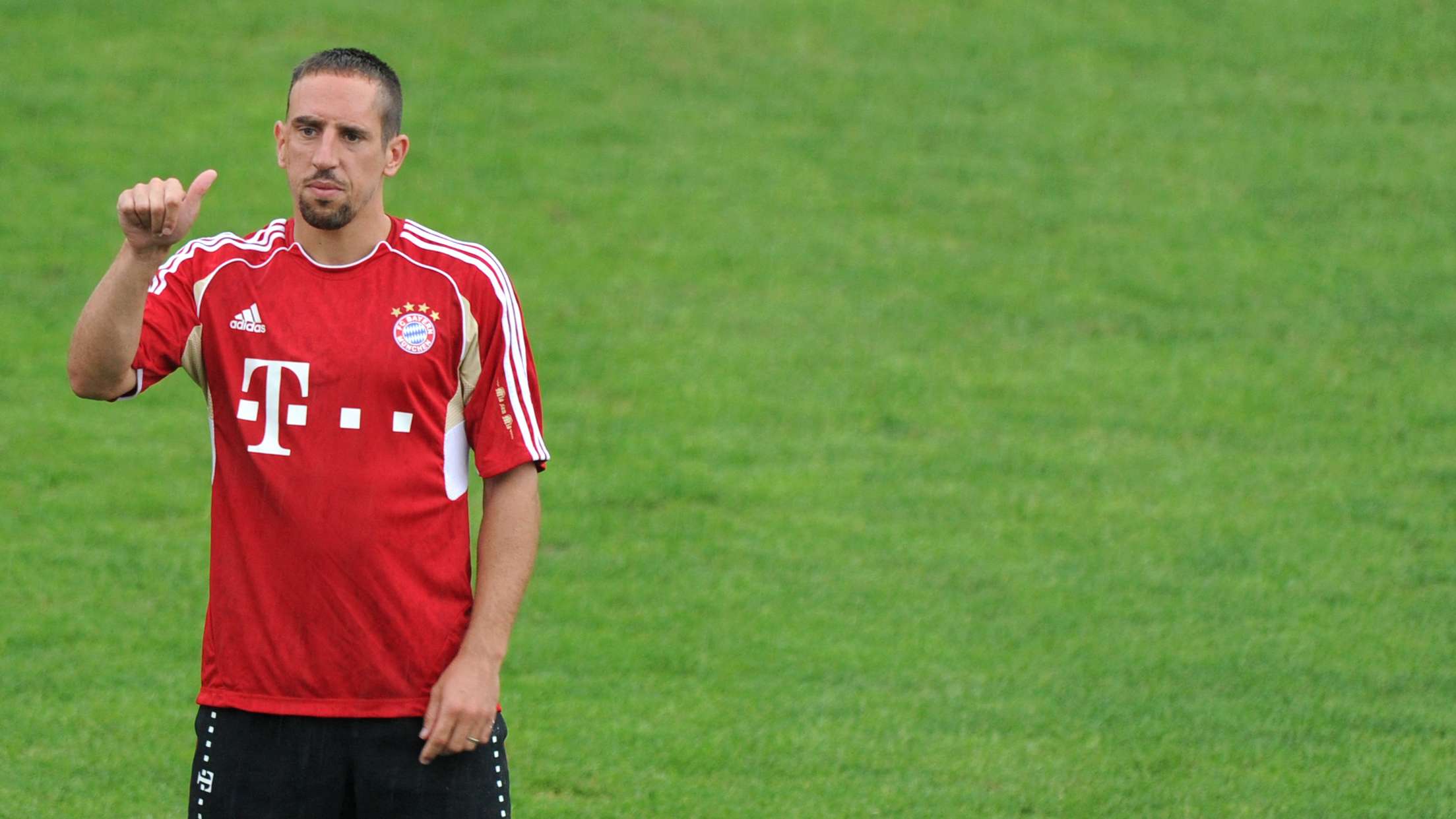
The legendary French footballer Franck Ribéry, renowned for his exceptional talent and dynamic playing style, recently opened up about a moment that still stings nearly a decade after it occurred. During his appearance at the Trento Sports Festival in northern Italy, Ribéry revisited the controversial and bittersweet episode of his 2013 Ballon d’Or bid — a year that many fans and analysts consider one of the finest in his illustrious career. His candid reflections not only shed light on the emotional toll of that disappointment but also mark a significant turning point as he transitions from the pitch to the sidelines, aspiring to make his mark as a football manager.
The 2013 Ballon d’Or: A Year of Unmatched Excellence
At the peak of his powers in 2013, Franck Ribéry was arguably the best player in European football. His performances for Bayern Munich during that season were nothing short of extraordinary, leading the Bavarian giants to a treble-winning campaign, which included winning the Bundesliga, DFB-Pokal, and the UEFA Champions League. With his electrifying pace, dribbling skills, and relentless work ethic, Ribéry became an integral figure in Bayern’s dominant squad.
Despite his remarkable achievements, the 2013 Ballon d’Or award eluded him. Finishing third behind Cristiano Ronaldo and Lionel Messi, Ribéry’s disappointment was palpable. Many analysts and football enthusiasts believed he was the rightful winner, given his outstanding contributions domestically and continentally. Interestingly, that year’s award sparked widespread debate about the criteria and voting processes that determine the prestigious accolade, emphasizing how subjective and fiercely contested the prize remains in football prediction circles.
Ribéry’s Emotional Reflection: A Golden Year Marred by Loss
During his recent appearance at the Trento Sports Festival, Ribéry did not shy away from expressing his lingering feelings about that era. He described 2013 as his “golden year,” emphasizing the unparalleled level of performance he achieved during that season. “I was the best player in the German league and across Europe,” he stated confidently. “Perhaps I deserved the Ballon d’Or. Not winning it was painful. It was a disappointment. I have no difficulty admitting that.”
The French international further elaborated on the magnitude of his achievements: “It was a magical season, I won everything, and I delivered an excellent performance with Bayern Munich and the national team. What more could I have done?” His words reflect a mixture of pride and frustration — a sentiment common among football prediction enthusiasts who analyze player performances and award outcomes. Despite the emotional toll, Ribéry’s focus now shifts toward shaping the next chapter of his football journey.
The Transition from Player to Coach: A New Beginning
Having hung up his boots in October 2022 after a final stint with Salernitana, Ribéry has steadily transitioned into coaching, working with the Italian club’s staff until March 2024. During this period, he dedicated himself to acquiring coaching qualifications, demonstrating his ambition to remain deeply involved in football at a strategic level.
“I realized that I have changed my job,” Ribéry explained. “For me, managing the team, empathy, and the relationship with the players will be matters of the utmost importance. This comes before line-ups and tactics.” His emphasis on interpersonal skills signals a modern approach to football management, recognizing that player well-being and team cohesion are crucial for success in today’s competitive football environment.
Philosophy and Style as a Future Manager
Drawing inspiration from some of the sport’s greatest coaches, Ribéry has developed a clear vision for his managerial style. “I had many great coaches, such as Jupp Heynckes and Carlo Ancelotti, as well as Nicola and Iachini. I learned something from each of them,” he said. His admiration for Bayern Munich under Vincent Kompany, especially in European competitions, is evident. Ribéry envisions a team that plays attacking football, prioritizing quick ball recovery and immediate offensive efforts to catch opponents off guard.
“My team must win the ball back quickly and look for a goal straight away,” he explained. This proactive, high-pressing style aligns with contemporary football predictions that favor dynamic, possession-based teams capable of transitioning swiftly from defense to attack. Ribéry’s experience as an attacking winger gives him a unique perspective on implementing an aggressive, forward-thinking game plan.
Football Prediction and the Future of Ribéry’s Management Career
The football community is keenly watching Ribéry’s managerial journey, as many believe his playing pedigree and tactical insights will serve him well in coaching. His transition from player to coach is part of a broader trend in football prediction circles, where former players leverage their on-field experience to succeed as tacticians and mentors. Fans and analysts are eager to see how Ribéry’s team will perform in upcoming competitions, especially as he aims to implement his attacking philosophy rooted in quick ball recovery and relentless pursuit of goal.
Moreover, Ribéry’s admiration for contemporary football under coaches like Vincent Kompany signals that he’s studying successful European models, which often emphasizes pressing, possession, and attacking fluidity. As he prepares to lead his own team, the football prediction community anticipates that his tactical acumen, combined with his empathy-driven approach, could make him a formidable manager in the years to come.
Conclusion: A Legend’s Reflection and the Road Ahead
Franck Ribéry’s candid reflections at the Trento Sports Festival serve as a reminder of how even the most successful athletes carry the weight of unmet expectations. His disappointment over the 2013 Ballon d’Or loss underscores the competitive nature of football and the fine margins that separate greatness from recognition. Yet, his move into coaching marks an exciting new chapter, one that promises to bring his attacking philosophy and leadership skills onto the sidelines.
As the football world watches with interest, Ribéry’s journey from a decorated winger to a promising manager exemplifies the evolving landscape of football prediction and management. Fans and analysts alike are eager to see how his tactical ideas translate into results, and whether his team will embody the same passion, resilience, and attacking flair that defined his playing career. Ultimately, Ribéry’s story is a testament to the enduring spirit of football — a sport where dreams are pursued relentlessly, and new legends are born both on and off the pitch.