
Carlo Ancelotti Chooses Brazil Over Italy
Renowned football manager Carlo Ancelotti recently made headlines by turning down an enticing offer to manage the Italy national team. The 67-year-old tactician surprised many by reaffirming his commitment to the Selecao project in Brazil, despite the Italian Football Federation (FIGC) actively pursuing him for the coveted coaching position.
Ancelotti’s Decision
Ancelotti’s decision to reject the opportunity to lead his home country’s national team stemmed from his dedication to the current project he is overseeing in Brazil. The veteran manager expressed his desire to continue working with the talented players and staff in the Selecao setup, emphasizing his belief in the team’s potential for success.
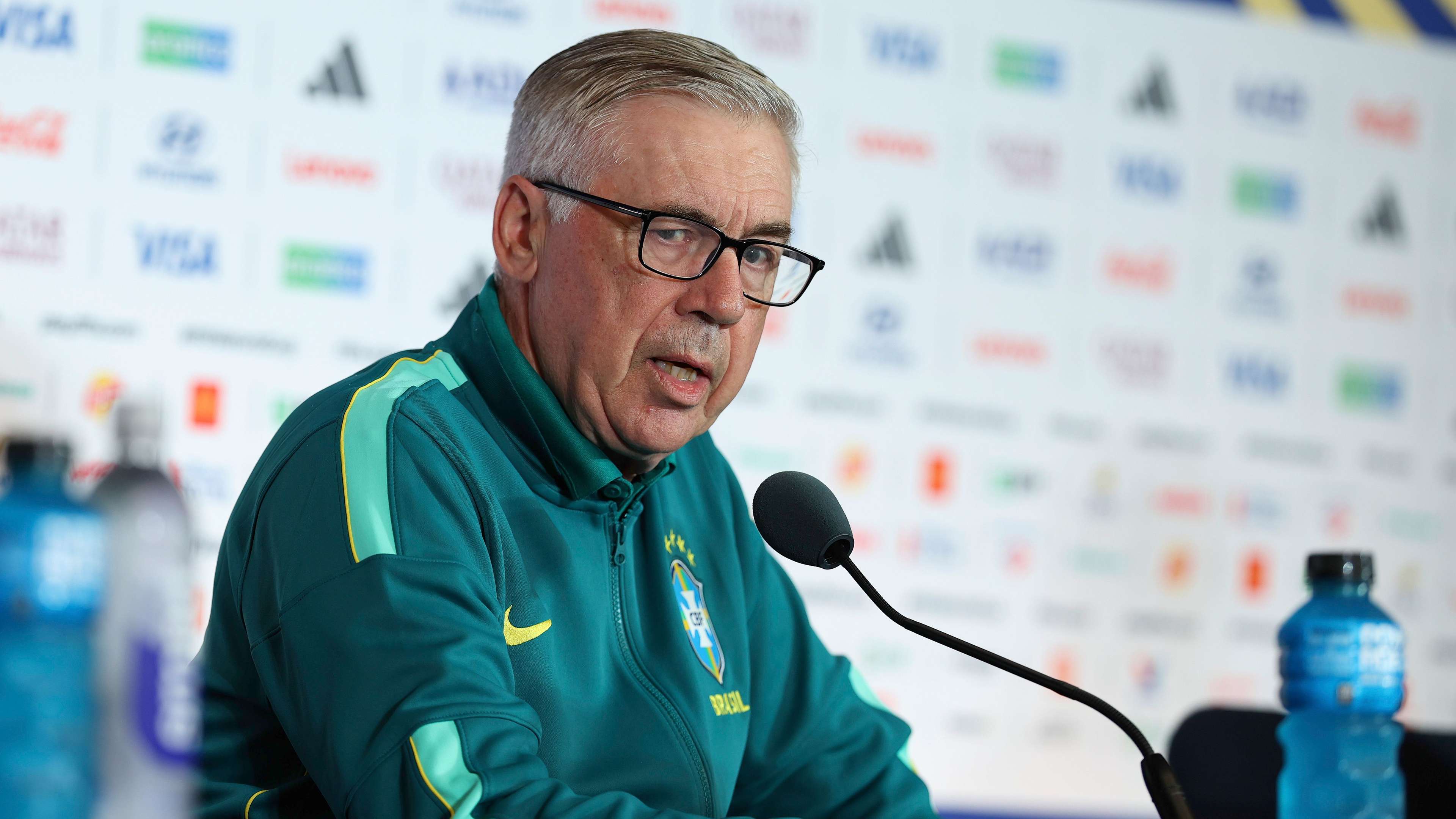
“I am honored by the interest shown by the FIGC, but my focus remains on the project we have begun in Brazil. I believe in the players and the vision we have for the national team, and I am committed to seeing it through,” stated Ancelotti in a recent press conference.
FIGC’s Coaching Search
The Italian Football Federation had been on the lookout for a new head coach following the departure of their previous manager. Ancelotti emerged as a top candidate due to his impressive track record in managing top clubs across Europe and his deep understanding of the game.
However, the FIGC faced challenges in convincing Ancelotti to take on the role, as the experienced coach weighed his options carefully before ultimately deciding to stay in Brazil. This decision left the Italian football authorities scrambling to find an alternative candidate to lead the national team.
Implications for Italy and Brazil
For Italy, Ancelotti’s rejection represents a missed opportunity to bring in a highly respected manager with a proven track record of success. The FIGC will now need to regroup and identify a suitable replacement to guide the national team through upcoming competitions and challenges.
On the other hand, Brazil can breathe a sigh of relief as Ancelotti’s decision ensures continuity in their coaching staff and strategic direction. The Selecao will benefit from the stability and experience that Ancelotti brings to the table as they aim for success in future tournaments.
Looking Ahead
As Ancelotti continues his work with Brazil, football fans around the world will be eager to see how the team progresses under his leadership. The veteran manager’s decision to stay with the Selecao sets the stage for an exciting journey ahead, with high expectations for success in major international competitions.
While Italy may have missed out on Ancelotti’s services, the FIGC will now focus on finding a coach who can lead the national team to glory. The search for a new head coach will undoubtedly be closely followed by football enthusiasts eager to see how Italy’s fortunes unfold under new leadership.
Overall, Ancelotti’s choice to stay with Brazil over Italy has significant implications for both national teams and the football landscape as a whole. His commitment to the Selecao project underscores his belief in the team’s potential and sets the stage for an exciting chapter in international football.
Ancelotti’s Coaching Philosophy
One of the reasons behind Ancelotti’s decision to choose Brazil over Italy could be attributed to his coaching philosophy. Known for his tactical flexibility and ability to adapt to different playing styles, Ancelotti has a track record of success with various clubs and national teams. His preference for working with a team that aligns with his strategic vision and playing philosophy likely played a significant role in his choice to continue leading Brazil.
By staying with the Selecao, Ancelotti can further implement his tactical approach and mentor the players to execute his game plan effectively. This continuity could prove crucial in building a cohesive and competitive team capable of challenging the best in international football.
Impact on Player Development
Ancelotti’s commitment to Brazil could also have a positive impact on player development within the national team setup. With his wealth of experience in managing top-level players, Ancelotti can help nurture and refine the talents of young Brazilian stars, providing them with the guidance and mentorship needed to reach their full potential.
Under Ancelotti’s tutelage, players in the Selecao squad may benefit from his expertise in tactics, mental preparation, and game management. This focus on player development could result in a stronger, more competitive Brazilian team capable of competing at the highest levels of international football.
Continuity and Stability
By choosing to remain with Brazil, Ancelotti provides the national team with a sense of continuity and stability in leadership. This stability can be crucial in fostering team cohesion, trust, and a shared understanding of the objectives set forth by the coaching staff.
With Ancelotti at the helm, Brazil can build on the foundations laid during his tenure and work towards sustained success in major competitions. The veteran manager’s decision to stay with the Selecao ensures that the team can progress with a clear direction and a solid framework for future achievements.
Global Impact
Ancelotti’s choice to prioritize Brazil over Italy resonates beyond the borders of these two footballing nations. His decision highlights the allure and appeal of coaching top international teams and the influence that managers can have on the development of football on a global scale.
As Ancelotti continues his journey with Brazil, his presence in international football adds intrigue and excitement to upcoming tournaments and matches. Fans and analysts alike will be keen to see how his coaching style and strategies impact the Selecao’s performance and shape the landscape of international football.
The Future of Ancelotti and International Football
As Ancelotti forges ahead with Brazil, his decision to turn down Italy’s offer marks a pivotal moment in his coaching career and the trajectory of both national teams. The veteran manager’s dedication to the Selecao project sets the stage for a compelling narrative of success, growth, and competition in the international football arena.
Looking ahead, Ancelotti’s influence on the Brazilian national team and the broader football community will be closely monitored and analyzed. His impact on player development, tactical innovation, and strategic vision could shape the future of international football and leave a lasting legacy on the sport.
In conclusion, Ancelotti’s choice to continue his coaching journey with Brazil over Italy reflects his commitment to a project he believes in and his passion for developing teams to achieve greatness. The implications of his decision reach far and wide, impacting player development, team dynamics, and the global landscape of international football.