
Mohamed Doumbia Returns to Al-Ittihad Training After Eight-Month Injury Layoff
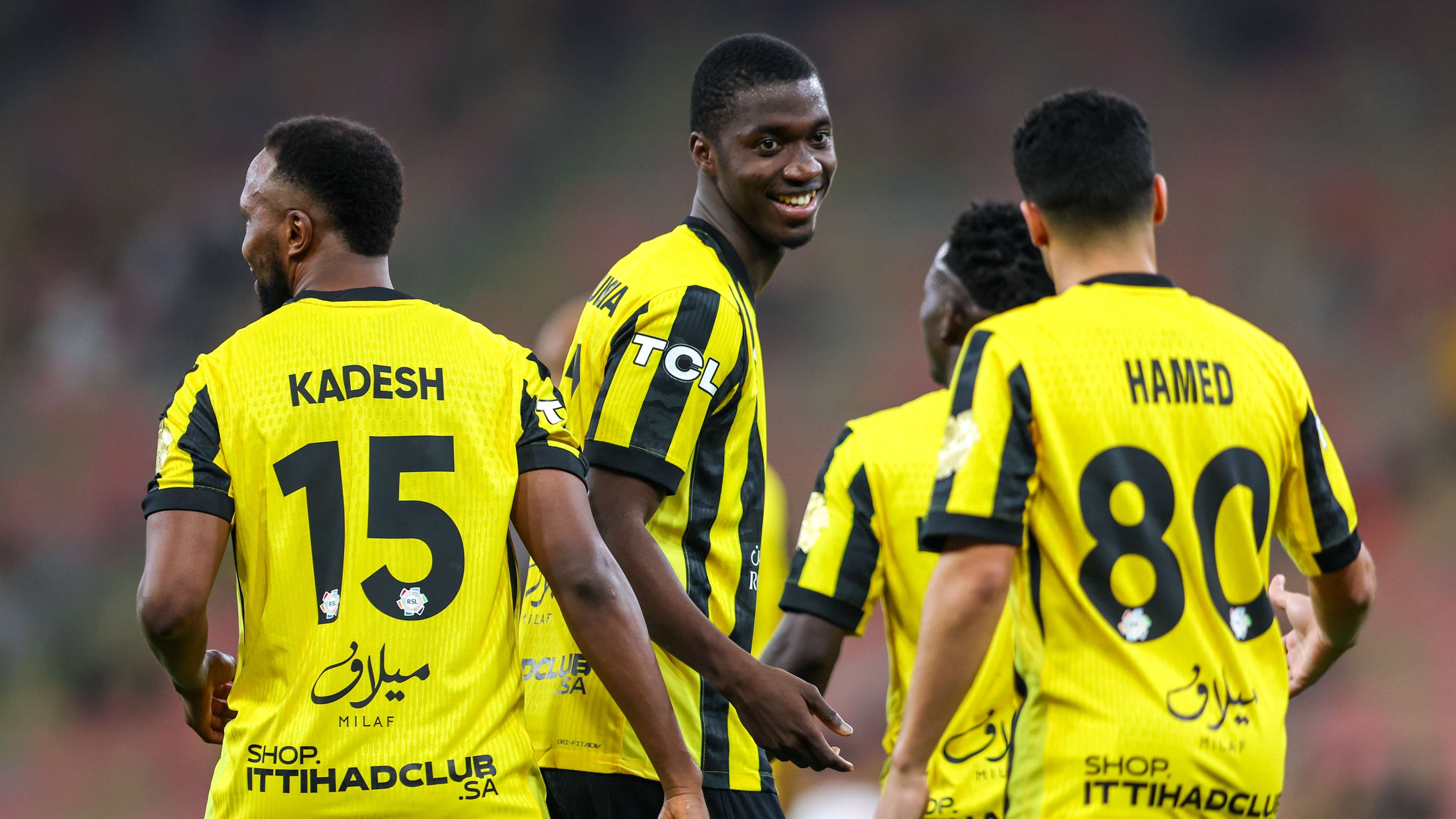
Al-Ittihad have received a timely lift ahead of the resumption of competitive football, with Malian midfielder Mohamed Doumbia returning to group training after an extended spell on the sidelines. His comeback gives the coaching staff another option in the centre of the pitch, an area where the Saudi club has recently faced a shortage of available players.
Doumbia has been absent for around eight months after suffering a serious knee injury in March. The midfielder tore his anterior cruciate ligament during Al-Ittihad’s match against Al-Khaleej in the Custodian of the Two Holy Mosques Cup. The injury required surgery, followed by a demanding rehabilitation programme designed to restore his strength, mobility and confidence.
A major step in a long recovery
The return to group training marks a significant milestone, but it is not the final stage of Doumbia’s recovery. He completed much of his treatment and rehabilitation in Lyon, France, where he worked through the key phases of his recovery before rejoining his teammates on the training ground.
For a player recovering from an ACL injury, the transition from individual rehabilitation to team sessions requires careful management. Training with the group introduces more unpredictable movement, changes of direction and physical challenges than controlled fitness work. Al-Ittihad are therefore expected to monitor Doumbia closely as he rebuilds his match readiness.
The coaching staff are not planning to rush the midfielder into competitive action. Instead, they intend to increase his workload gradually and assess how his body responds. That cautious approach is especially important after such a lengthy absence, when returning too quickly can place unnecessary strain on the recovering knee.
Doumbia’s comeback could ease Al-Ittihad’s midfield concerns
The timing of Doumbia’s return is particularly useful because Colombian midfielder Richard Rios is dealing with an ankle injury that is expected to keep him out for several weeks. His absence has reduced Al-Ittihad’s available options in midfield, increasing the importance of having another player capable of competing for a place in the rotation.
Doumbia’s presence in training does not immediately solve the problem. He will need time to regain his conditioning and rhythm, and the club will want to see consistent progress before considering him for a matchday squad. Even so, his return offers the coaching staff greater flexibility as they plan for the weeks ahead.
Depending on his progress, the Malian could eventually provide depth in a position that demands considerable energy and discipline. Midfielders must cover ground, support the defence, help move the ball forward and respond quickly when possession changes hands. Those responsibilities make physical sharpness essential, particularly in the fast-paced environment of the Saudi Pro League.
What to expect from his return
Al-Ittihad’s immediate focus will be on building Doumbia’s fitness rather than setting a fixed date for his comeback. His participation in official matches will depend on how he handles the increased training load, the medical team’s assessment of his condition and the coaching staff’s view of his readiness.
A possible return during December has been identified as a target, but it should be treated as a gradual objective rather than a guarantee. The club will likely consider several factors before selecting him, including his ability to complete full training sessions, his movement under pressure and his confidence in challenges and changes of direction.
For supporters, the key development is that Doumbia has rejoined the group and moved beyond the most restrictive stages of rehabilitation. That progress is encouraging, but patience will remain important. A carefully managed return can help the midfielder regain his best level while reducing the risk of setbacks.
Why his recovery matters for Al-Ittihad’s season
Al-Ittihad’s ambitions depend in part on having enough reliable options across a demanding schedule. Injuries can disrupt a team’s balance, particularly when they affect central areas where players are required to contribute both defensively and in possession. Doumbia’s eventual availability could help the club manage that workload and provide more choices as competitions resume.
His return also gives the coaching staff an opportunity to evaluate how he fits into the team after months away. The midfielder will need to rebuild his understanding with teammates and adapt to the demands of competitive football again. Training sessions will provide the first test, while any later appearances are likely to be introduced cautiously.
Any football prediction about Doumbia’s immediate impact should therefore be measured. His return is a positive development for Al-Ittihad, but it does not mean he will instantly become a regular starter. The more realistic expectation is a phased reintegration, with his minutes increasing only if his physical response remains positive.
For now, Al-Ittihad can welcome a valuable boost: a midfielder who has completed a long recovery and is back working alongside the squad. If he continues to progress without complications, Doumbia could become an important addition to the club’s options later in the season. His comeback is a promising step, while the careful work ahead will determine when he is ready to make his return to competitive football.