
Saudi Arabia’s Journey to the Gulf Cup Final: A Test of Resilience, Strategy, and Future Promise
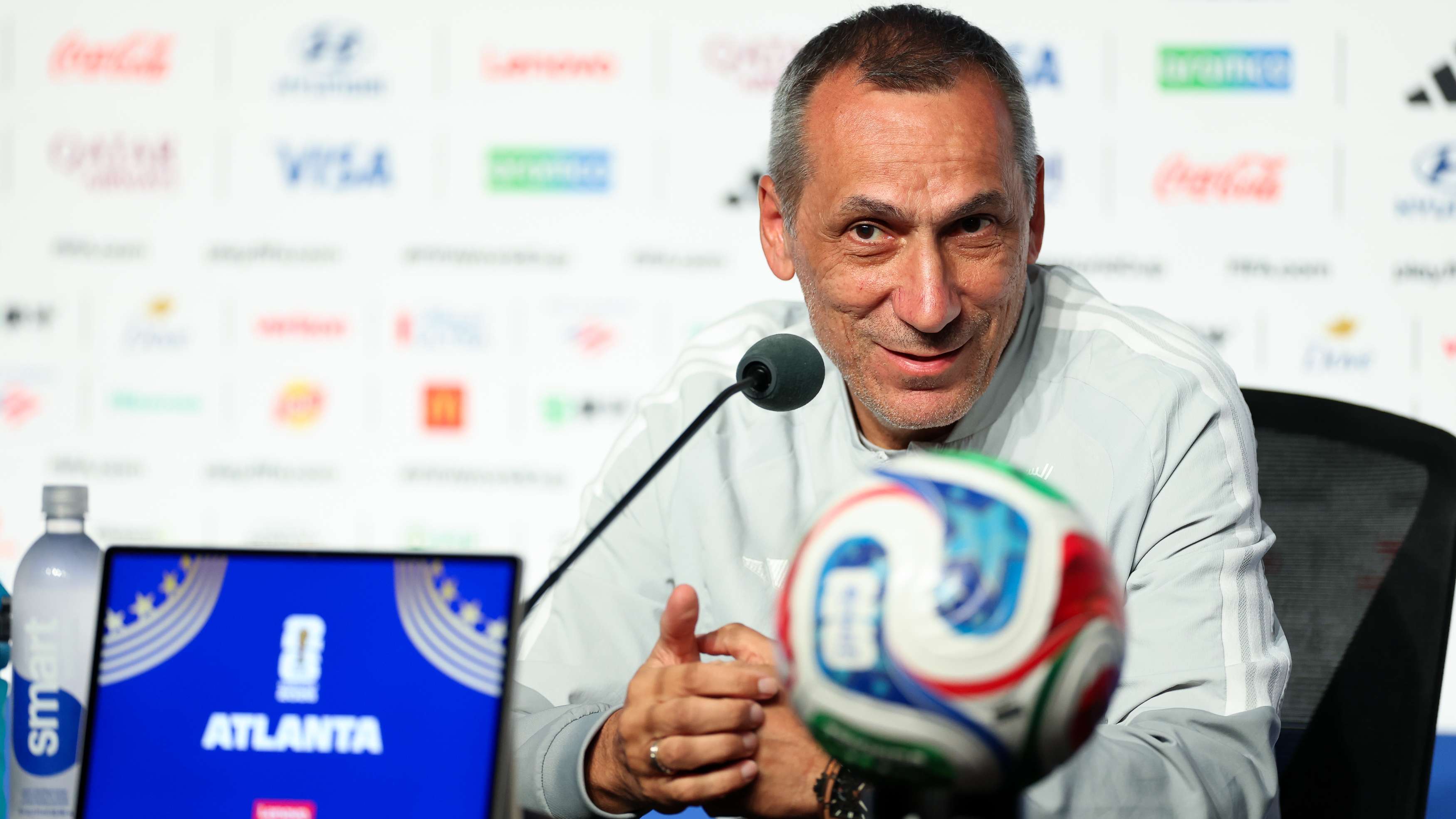
As the Gulf Cup 27 approaches its climactic conclusion, all eyes are on the final showdown between Saudi Arabia and the United Arab Emirates. This upcoming match is not only a potential trophy moment for the Saudi team but also a critical benchmark for their head coach, Georgios Donis. Since taking over the reins of the Saudi national football team last April, Donis has faced numerous challenges, yet he has managed to craft a team that exhibits a clear tactical identity—centered around defensive solidity and disciplined gameplay. With the final set to unfold, the question is whether this team, under Donis’s guidance, can sustain its progress and set a new course for Saudi football’s future.
Rebuilding Confidence: The Short but Impactful Tenure of Georgios Donis
When Georgios Donis assumed the coaching position of Saudi Arabia’s football team, the task ahead was daunting. The team had been under the guidance of Hervé Renard, but the federation sought a fresh perspective to rejuvenate their international ambitions. Donis, a seasoned Greek coach known for his tactical acumen, inherited a squad eager for stability and success. His contract, which runs until July 2027, signals a long-term vision that transcends a single tournament and aims at building a sustainable project rooted in tactical discipline and strategic development.
In his short tenure, Donis has made significant strides. His approach has been characterized by a focus on defensive organization, patient build-up play, and controlling possession—elements that have come to define Saudi Arabia’s recent performances. The team’s progression to the Gulf Cup final, with an impressive record of four matches without conceding and a penalty shootout victory over Qatar, underscores a defensive resilience that was previously lacking.
Defensive Solidity: The Cornerstone of Saudi Arabia’s Gulf Cup Campaign
Impressive Defensive Records
One of the standout features of Donis’s leadership during Gulf Cup 27 has been the team’s formidable defensive record. Saudi Arabia’s defenders have been rock-solid, successfully shutting out Kuwait, Oman, and Iraq in the group stage, and maintaining a clean sheet against Qatar through 120 minutes of semi-final play. Such defensive discipline has not only secured their progression but has also established a clear tactical identity—an essential foundation for any successful football team.
The Significance of Tactical Discipline
Post-qualification, Donis emphasized that these clean sheets result from collective effort and tactical discipline. He highlighted that their preparation centered on high pressing, robust defensive shape, and effective ball retention in midfield. These elements have allowed Saudi Arabia to control large portions of matches, frustrate opponents, and build confidence in their defensive capabilities. The team’s ability to maintain focus and cohesion under pressure demonstrates a maturity that is vital at the international level.
Challenges in Attack: The Ongoing Struggle to Find the Final Touch
Attacking Limitations in Tight Situations
While the defensive organization has been exemplary, questions remain about the team’s attacking potency. Against Qatar, despite creating numerous chances, Saudi Arabia failed to break the deadlock in either regular or extra time. Donis attributed this to fatigue—stemming from a demanding schedule of five matches in just 14 days—and a need for sharper attacking solutions against teams that sit deep and defend compactly.
The upcoming final against the UAE presents a different challenge altogether. The UAE is known for its well-organized defensive structure, making it crucial for Saudi Arabia to innovate offensively. Donis has stressed the importance of attention to detail, discipline, and tactical flexibility. The key will be to unlock a tightly-knit UAE defense with creative attacking strategies, whether through quick combination plays, set-piece opportunities, or exploiting small gaps in their disciplined backline.
Emerging Opportunities and Tactical Adjustments
In the context of prediction, analysts suggest that Saudi Arabia’s success in the final will depend heavily on their ability to adapt their attacking approach. The team’s current style, rooted in patience and build-up play, might need to evolve into more direct or unpredictable patterns to surprise the UAE’s defense. Coaches often view such matches as opportunities to test new attacking combinations, which could also serve as a blueprint for future fixtures, including qualifiers for the 2026 World Cup.
The Significance of the Final Beyond the Trophy
More Than Just a Win or Loss
Reaching the Gulf Cup final with an unbeaten record in defense and a semi-final victory on penalties is already a testament to Donis’s effective coaching. While winning the tournament would undoubtedly be a milestone—earning his first silverware with Saudi Arabia—it is not the sole measure of success. Even if they fall short in the final, the team’s progress under Donis’s guidance has been notable.
The Saudi federation’s decision to extend Donis’s contract until 2027 indicates their confidence in his vision. The upcoming final offers an opportunity to validate his tactical plans and to demonstrate that the team can sustain its defensive discipline while developing offensive solutions. A victory would elevate the team’s confidence and provide tangible proof of their evolution, but the true value lies in the foundation being laid for the future of Saudi football.
What Lies Ahead for Saudi Football?
Building a Sustainable Football Project
Beyond the immediate goal of lifting the Gulf Cup trophy, the focus for Saudi football is on establishing a long-term, sustainable project. Donis’s approach—centered around tactical discipline, collective effort, and strategic development—aligns with this vision. The team’s current identity, emphasizing defensive resilience and disciplined build-up, could serve as the blueprint for future generations if maintained and refined.
The Road to the 2026 World Cup
With the 2026 World Cup on the horizon, Saudi Arabia’s football authorities are eager to see progress in their national team’s performance. The Gulf Cup campaign serves as a valuable testing ground for tactical ideas, squad development, and mental resilience. Success in the final, or even a strong performance, can bolster confidence and serve as a stepping stone toward competitive readiness for global tournaments.
Conclusion: A Pivotal Moment in Saudi Football’s Evolution
The upcoming final against the UAE is more than just a match—it’s a defining moment for Saudi Arabia’s football trajectory. Under Georgios Donis’s leadership, the team has demonstrated defensive solidity, tactical discipline, and a clear identity. While attacking prowess remains an area for improvement, the progress made suggests a promising foundation for the future.
As fans and analysts eagerly await the outcome, one thing is certain: the journey to this final has already reshaped perceptions of Saudi football. Whether they lift the Gulf Cup or not, the team’s evolution under Donis signals a new chapter—one that could see Saudi Arabia emerge as a more resilient, tactically sophisticated football nation in the years to come.