
Referee’s Report Confirms Cristiano Ronaldo Goal in Al-Nassr Win
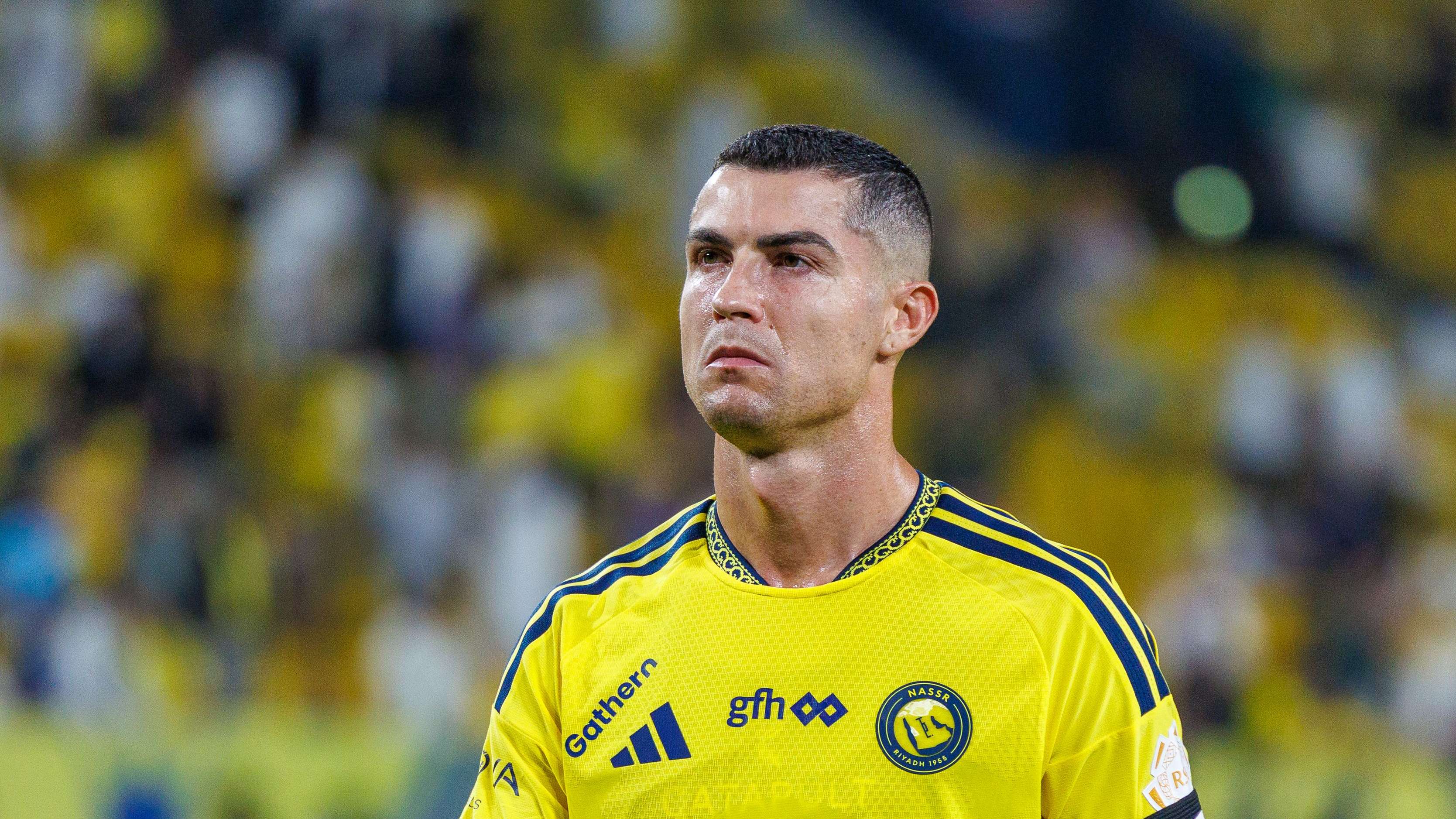
The debate over Cristiano Ronaldo’s goal against Al-Faisaly has been settled: the match referee officially credited the strike to the Al-Nassr captain. The confirmation ends speculation that the goal should instead have been recorded as an own goal after the ball appeared to take a touch from an Al-Faisaly defender.
Al-Nassr secured a 3-1 victory at Al-Majmaah Sports City Stadium in the 11th round of the Saudi Roshn League. Ronaldo scored the team’s second goal shortly after halftime, helping the visitors strengthen their position in a match that also drew attention for its implications in the Portuguese forward’s remarkable pursuit of 1,000 career goals.
How the disputed goal unfolded
Ronaldo found the net in the 49th minute, meeting a free-kick delivery from his compatriot João Félix with a powerful header. The cross was placed into a dangerous area, and Ronaldo rose above the defenders to direct the ball toward goal. Although the finish looked like a typical example of his aerial ability, questions emerged online over whether a defender’s touch had changed the ball’s direction before it crossed the line.
That uncertainty quickly became a talking point among football supporters. Some social media users argued that the final touch belonged to an Al-Faisaly player and that the goal should therefore have been listed as an own goal. Such discussions are common when a shot or header takes a deflection, particularly when the change in direction makes it difficult to identify the decisive contact from a single camera angle.
Official records back Ronaldo
Saudi journalist Ali Al-Anzi addressed the controversy in a post on X, reporting that the referee’s official match report listed Ronaldo as the scorer. The Saudi Roshn League’s own website also credited the goal to the Portuguese star, aligning its record with the referee’s decision.
The official attribution matters because goalscorer records are determined by the match officials and competition authorities, rather than by online opinion or initial reactions to a replay. A defender may be close to the ball, or even make contact, without automatically receiving credit for an own goal. The nature and effect of that touch are considered when the official record is finalized.
In this case, both the referee’s report and the league’s published information provide a clear answer: Ronaldo scored Al-Nassr’s second goal. The ruling gives the captain another entry in his career tally and puts the debate surrounding the finish to rest.
Why the goal is significant for Ronaldo
The strike was reportedly the 982nd goal of Ronaldo’s career, leaving him 18 goals short of the historic 1,000-goal milestone. Reaching that figure would represent an extraordinary landmark in modern football, especially given the length of time he has maintained his scoring output across club and international competition.
Ronaldo’s goal count is closely followed by fans because it reflects more than a single season’s form. His career has taken him through several of the sport’s most prominent leagues and competitions, with goals coming in different tactical systems and alongside a succession of elite teammates. Each confirmed strike adds another marker to a record that continues to attract global attention.
The Al-Faisaly goal also illustrated the value of his partnership with Félix. The two Portuguese players combined to produce the finish, with Félix supplying the set piece and Ronaldo attacking the delivery. For Al-Nassr, that connection offers a useful route to goal: accurate service from dead-ball situations can create chances even when opponents defend compactly in open play.
Al-Nassr’s result and what comes next
The 3-1 win gave Al-Nassr an important result in the Roshn League campaign. Scoring three times away from home suggests the side was able to turn its attacking quality into a decisive advantage, while the victory adds momentum as the schedule moves forward. Ronaldo’s contribution was central, but the result also depended on the wider team’s ability to create opportunities and manage the match.
Al-Nassr’s upcoming fixtures include a Saudi Pro League meeting with Abha on October 27, 2026, followed by an AFC Champions League Elite match listed for the same date. A demanding calendar can test squad depth and recovery, making efficient performances particularly valuable. The team will need to balance domestic objectives with continental competition, while keeping key players available across both fronts.
For supporters looking ahead, any football prediction for Al-Nassr’s next matches will depend on several factors: the opponent’s defensive approach, the availability of first-choice players, and whether the team can maintain the attacking rhythm shown against Al-Faisaly. Ronaldo’s current scoring form is naturally part of that discussion, but upcoming results will also hinge on contributions from Félix and the rest of the squad.
A settled decision, a major milestone in sight
The official ruling removes uncertainty from the match record and confirms that Ronaldo’s header stands as a legitimate goal. More importantly for the Al-Nassr captain, it moves his career total to 982 and brings the 1,000-goal target closer. With 18 goals still to go, every appearance will attract added interest from fans tracking one of football’s most remarkable scoring pursuits.
Al-Nassr will now turn its attention to the challenges ahead, while Ronaldo’s latest goal provides another reminder of his enduring influence. The debate may have started online, but the referee’s report and the league’s official records have delivered the final decision.