
Jude Bellingham Leads Champions League Fouls-Won Rankings After Two Rounds
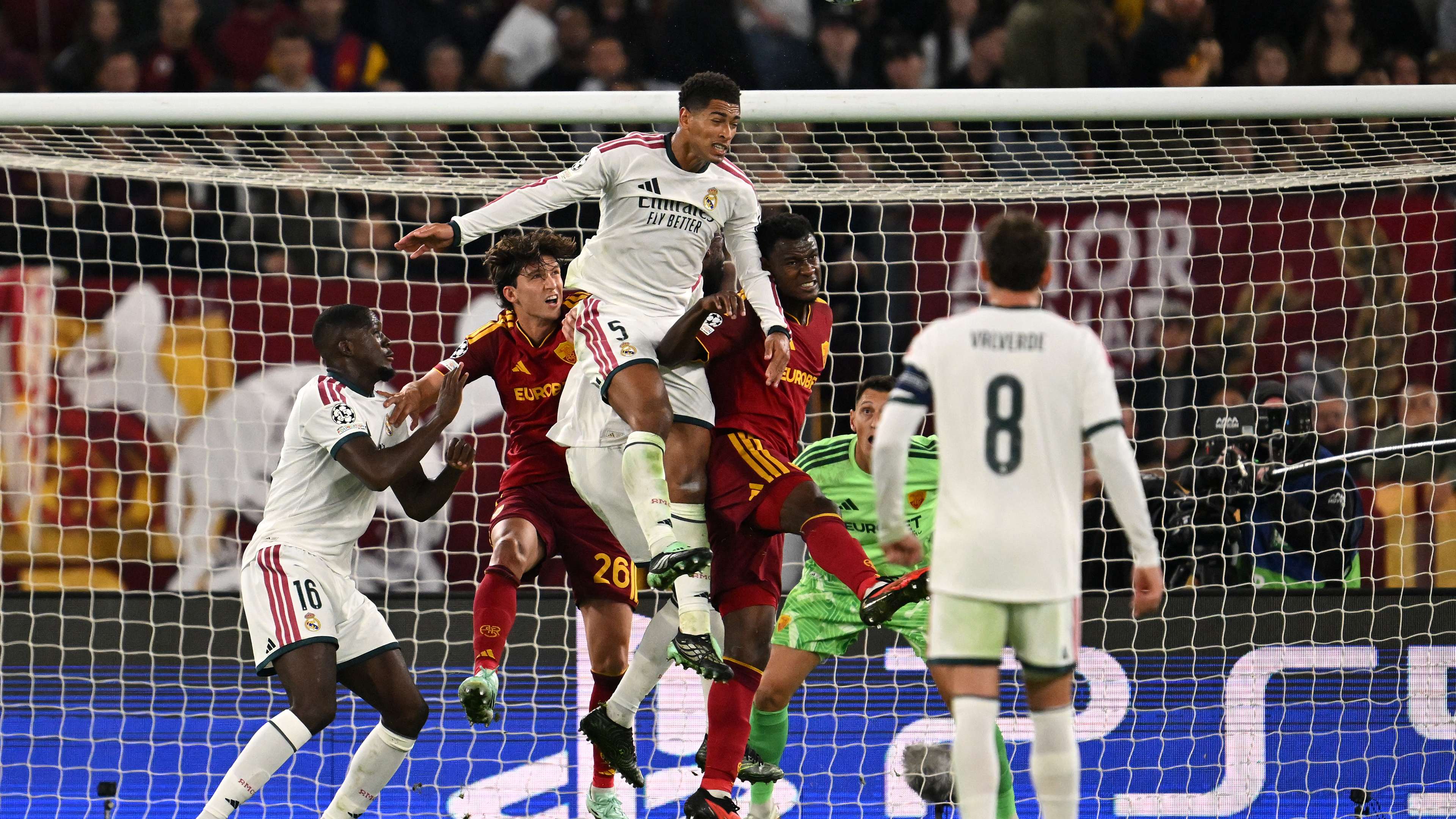
Real Madrid midfielder Jude Bellingham has won more fouls than any other player in the UEFA Champions League after the opening two rounds, according to statistics from Squawka. The England international has drawn nine fouls, highlighting how often opponents have been forced to stop him as he carries the ball, presses forward and looks to create danger in the final third.
The figures offer a different way to assess influence in Europe’s premier football competition. Goals and assists tend to dominate headlines, but winning fouls can also help a team advance up the pitch, relieve pressure and create opportunities from set pieces. For Bellingham and the other players near the top of the ranking, the numbers reflect how difficult they can be to contain.
Nuno Mendes and Zlatko Tripic close behind
Paris Saint-Germain full-back Nuno Mendes is second in the standings, having won eight fouls. He is level with Viking captain Zlatko Tripic, who has also drawn eight, despite playing fewer minutes. Tripic’s position has attracted particular attention following Viking’s 3-3 draw with Bayern Munich, a match that produced both heated exchanges and a controversial sending-off.
Tripic’s ability to draw contact became a talking point after the game when Bayern striker Harry Kane criticised his approach. Kane described the Norwegian as a clever player who tries to win free-kicks, while also accusing him of rolling around and wasting time. The comments reflected the frustration of a match in which Bayern were unable to secure a win and saw one of their attackers dismissed.
The incident involved Michael Olise, who was sent off in the second half after receiving a second yellow card. Tripic later acknowledged that he had deliberately provoked the French winger. Olise responded by throwing the ball at Tripic, an action that led to his dismissal. The episode added an extra layer of controversy to Tripic’s place among the competition’s most successful foul-winners.
Several players share fourth place
Como’s Martin Baturina occupies fourth place with seven fouls won. He shares that total with Bayern Munich’s Olise, Sabah’s Akim Zedadka, Slovan Bratislava’s Souleymane Camara and Lille’s Hakon Haraldsson. The group represents a broad mix of positions, teams and playing styles, underlining that foul-winning is not limited to attacking midfielders or forwards.
Full-backs and wide players often draw contact by taking on defenders in one-on-one situations, while central players can win free-kicks by protecting possession under pressure. For teams competing across domestic and European schedules, those moments can be valuable: a foul may allow teammates to move up the field, give a side time to reorganise or create a set-piece chance near the opposition penalty area.
Shakhtar Donetsk’s Alisson Santana and Fenerbahce’s Archie Brown complete the top ten, with each player having won six fouls. Although the gap between the leading names is small, the ranking could change quickly as the group stage progresses and players accumulate more minutes.
What the statistics reveal—and what they do not
Fouls won are a useful measure of how frequently a player attracts challenges, but the statistic needs context. A high total can point to effective dribbling, intelligent movement or an ability to shield the ball. It may also reflect a player’s role, the amount of possession his team enjoys, or the defensive tactics used by opponents. In Tripic’s case, the Bayern reaction shows how the same skill can be viewed as smart game management by one side and time-wasting by another.
The number also does not distinguish between fouls that lead to dangerous set pieces and those committed in less threatening areas. Nor does it explain whether contact was deliberate, tactical or simply the result of a mistimed challenge. Match footage and broader performance data are needed to understand the full story behind each entry in the rankings.
Bellingham’s leading total is nevertheless consistent with the way Real Madrid use him. The midfielder regularly drives into space, links play and arrives in advanced positions, forcing defenders to make difficult decisions. When opponents cannot stop him cleanly, a foul can become the safer option—particularly near the edge of the box or during a quick transition.
Why foul-winning matters in Champions League prediction
For supporters following football prediction and Champions League match analysis, foul statistics can provide an additional clue about how a fixture might unfold. A player who repeatedly draws challenges may help his team win territory and generate set-piece opportunities. Meanwhile, an opponent already carrying a booking may be less willing to step in aggressively, potentially giving that player more room to attack.
These numbers should not be treated as a standalone prediction tool. Team tactics, player availability, opposition quality and the match situation all matter. Still, foul-winning data can complement more familiar indicators such as shots, possession, expected goals and successful dribbles. It can also help explain why a match becomes tense: repeated challenges and disputed free-kicks often influence both the rhythm of play and the reactions of players and coaches.
With only two rounds behind them, the current standings are an early snapshot rather than a final verdict. Bellingham has set the pace with nine fouls won, while Mendes and Tripic remain close behind. The next rounds will show whether those totals reflect a lasting trend or simply a lively opening to the European campaign. For now, the ranking highlights an often-overlooked part of elite football: the ability to make opponents commit, win a decision from the referee and turn pressure into an advantage.