
Mourinho fears Real Madrid’s frustration could grow into a damaging crisis
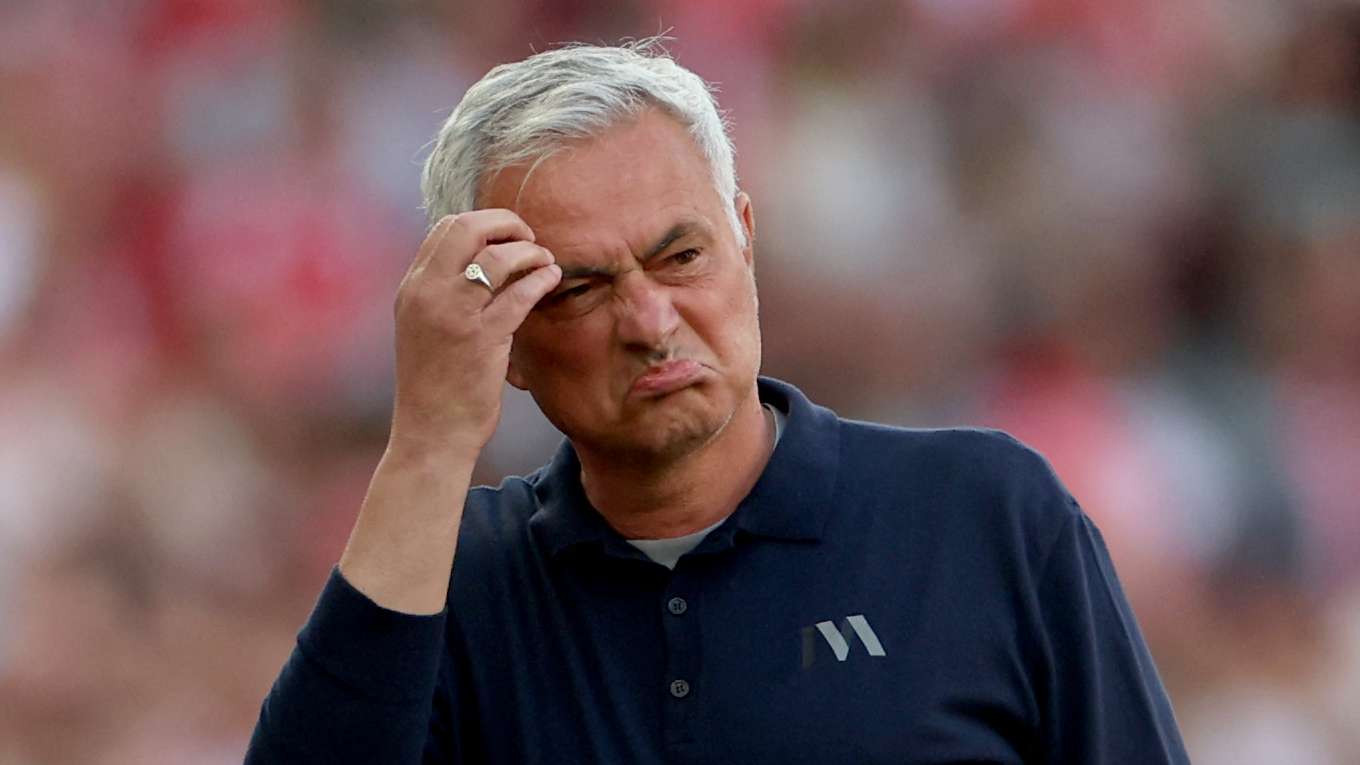
Real Madrid left their clash with Villarreal with three valuable points, but the result was accompanied by a storm of frustration that could prove costly if it follows the team into its next fixtures. Vinícius Júnior’s dismissal, José Mourinho’s protests and a match total of six yellow cards and one red created a tense atmosphere—one the coach is keen to prevent from becoming a wider problem.
As reported by Marca, Mourinho’s concern is not simply that Real Madrid were unhappy with several refereeing decisions. It is that anger, if left unchecked, can affect discipline, concentration and performance. In a season shaped by demanding football and high-stakes matches, the coach wants the players to respond through their play rather than allow controversy to dictate their behaviour.
A dramatic turning point against Villarreal
The match changed sharply after an incident involving Vinícius. Mourinho had celebrated alongside the Brazilian when a goal appeared to give Real Madrid a 2-0 advantage. The mood shifted when the video assistant referee review ruled the goal out. Soon afterwards, Vinícius was sent off, leaving Madrid to defend their lead with ten players.
From that point, emotions rose on and off the pitch. Players questioned decisions, protests from the technical areas became more intense, and the contest turned into a test of composure as much as ability. Real Madrid ultimately held on for the win, but the closing stages left little room for calm reflection.
The contrast between the team’s relief at securing three points and its anger over the events of the match was evident. A victory can ease pressure in the standings, yet it does not automatically settle a dressing room that believes it has been treated unfairly. Mourinho’s challenge is to acknowledge that frustration without allowing it to become the main story around the squad.
Why Mourinho chose silence after the final whistle
One of the clearest signs of the tension came after the match, when Mourinho did not attend his usual media duties. Marca reported that the decision was intended to avoid comments that might expose him to disciplinary action and potentially affect his availability for the upcoming Clásico.
In a heated moment, even a brief public remark can extend a dispute and invite further scrutiny. Choosing not to speak may therefore have been a calculated move: Mourinho could register his displeasure without adding fuel to the controversy or risking a suspension of his own. His silence did not mean the issue had disappeared, but it may have helped keep the situation from escalating immediately.
The coach’s approach reflects a familiar challenge for managers in elite football. They must defend their players and communicate dissatisfaction when they believe decisions have gone against them, while also protecting the team from avoidable sanctions. Public criticism can rally a squad, but it can also shift attention away from preparation and towards refereeing disputes.
Vinícius’ red card could have consequences
Vinícius apologised to his teammates and supporters after his dismissal, an acknowledgement that the incident had affected the team as well as his own night. However, the referee’s report may determine the scale of any disciplinary punishment. Depending on its wording and the relevant rules, the Brazilian could face a suspension that sidelines him for important matches.
That possibility makes the incident more than a moment of frustration. Vinícius is a key attacking threat, and his absence could force Mourinho to adjust the forward line, redistribute responsibilities and rethink the team’s approach in a crucial fixture. A suspension would also underline how quickly an emotional reaction can create a practical problem for a club with little time to prepare.
For Mourinho, the lesson is not that players should accept every decision without question. Rather, he wants them to understand the cost of allowing protests or anger to take control. A team can feel aggrieved and still remain disciplined. In close matches, that distinction can determine whether a side finishes with its full complement of players and whether it has the focus needed to protect a result.
Turning frustration into a football response
Real Madrid now need to move on without pretending the controversy never happened. Mourinho is not expected to demand that his players forget the match or suppress every feeling of injustice. His priority is to channel that energy into training, tactical focus and a stronger performance in the next game—not into further arguments, unnecessary bookings or distractions.
That response matters because the risks extend beyond one red card. A pattern of confrontations can lead to suspensions, disrupt preparation and place additional pressure on players already facing a packed schedule. Repeated disputes may also affect the team’s rhythm, especially if attention shifts from football to the latest refereeing controversy.
Upcoming European fixtures and the Clásico make discipline particularly important. Real Madrid will need their leading players available and mentally prepared, while Mourinho must manage the emotional temperature around the squad. The club’s officials can address formal complaints about refereeing; the players’ responsibility is to deliver on the pitch.
Prediction: composure could define Real Madrid’s next test
The immediate prediction is that Mourinho will try to lower the temperature around the Villarreal match while keeping the team’s competitive edge intact. Real Madrid have shown they can grind out a result under pressure, but their next challenge will be to combine that resilience with greater control. If the players stay focused and avoid further disciplinary setbacks, the win can become a platform rather than the start of a crisis.
If frustration continues to spill into protests and cards, however, the consequences could reach well beyond one difficult evening. Vinícius’ availability, Mourinho’s own position on the touchline and the squad’s preparation for major fixtures may all be affected. For now, the message is clear: Real Madrid can be angry, but they cannot afford to let anger play the game for them.