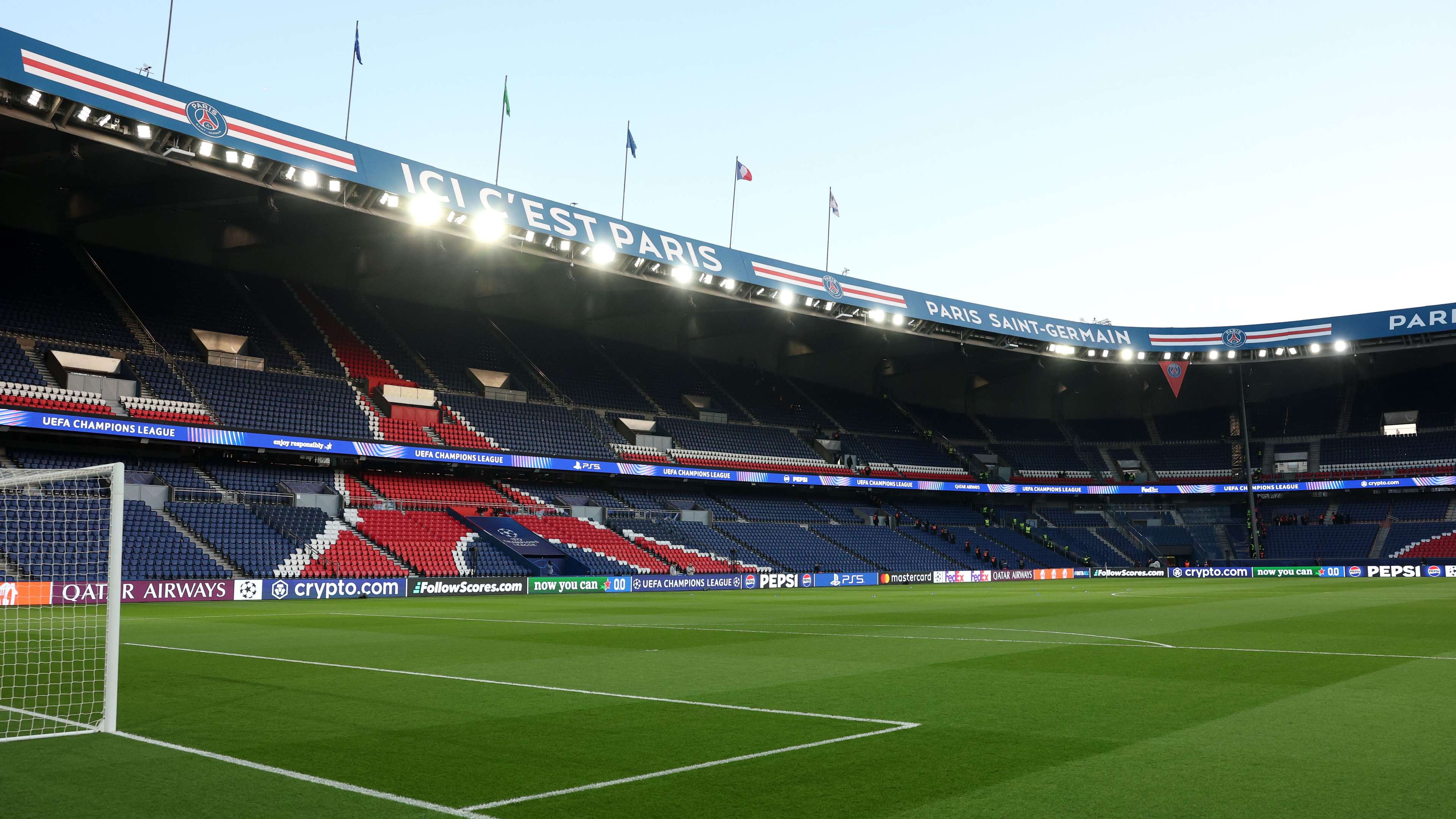

Paris Saint-Germain Set to Reveal Major Stadium Decision: Renovation or Relocation?
In an exciting development for football fans worldwide, Paris Saint-Germain (PSG), one of Europe’s most glamorous and successful clubs, is on the verge of announcing a pivotal decision regarding its future home. Over the coming weeks, the club is expected to unveil whether it will embark on an ambitious €2 billion renovation of its historic Parc des Princes stadium or opt for a complete relocation to a new venue in a suburban city. This decision is poised to shape the future of French football and influence the club’s trajectory both on and off the pitch.
The Historic Significance of Parc des Princes
Since its opening in 1897, the Parc des Princes has been more than just a football stadium; it’s a symbol of Parisian culture and football heritage. The iconic venue has hosted countless memorable matches, from domestic league battles to international fixtures involving the French national team. For decades, it has been the home turf of PSG’s rise to European prominence, witnessing legendary players and historic moments.
However, as football continues to evolve rapidly, so do the demands for modern, state-of-the-art facilities. The current structure, though beloved, faces limitations in capacity, amenities, and technological integration, prompting the club to consider significant upgrades or a fresh start elsewhere.
The Debate: Renovate or Relocate?
The Case for a €2 Billion Renovation
One option on the table is a comprehensive €2 billion renovation of the Parc des Princes. Proponents argue that investing in the existing stadium preserves the rich history and emotional connection PSG has with its fans. Modernizing the stadium could include expanding seating capacity, improving fan experience with cutting-edge amenities, incorporating advanced safety features, and upgrading hospitality facilities to attract high-profile events and sponsorship deals.
This approach aligns with the club’s long-term vision of maintaining a Parisian identity while elevating the stadium to meet the standards of top European venues. Renovating Parc des Princes could also be less disruptive socially, as it preserves the club’s longstanding presence in the heart of the city, which is central to its brand image.
The Case for Moving to a New Suburban Stadium
On the other hand, relocating to a new, purpose-built stadium in a suburban area offers distinct advantages. A modern facility designed from scratch could provide a larger capacity, advanced infrastructure, and innovative features that current venues lack. This move could also open doors for broader commercial opportunities, such as hosting concerts, festivals, and international events, boosting revenue streams.
Moreover, a new stadium located outside central Paris could alleviate traffic congestion on match days, improve accessibility, and provide ample space for future expansion. This strategic move might also help PSG compete more effectively with other European giants who boast state-of-the-art venues, thus enhancing the club’s global football prediction prospects.
Implications for Football Prediction and Club Strategy
The decision PSG makes will have far-reaching implications, not only for its immediate future but also for the broader landscape of football prediction and club strategy in France and beyond. A modernized stadium or a new venue could significantly impact matchday atmosphere, fan engagement, and club revenues, which in turn influence squad investments and football prediction models.
Football enthusiasts and analysts are closely watching this development, as the stadium’s configuration and location can affect everything from home advantage to long-term competitiveness. For example, a larger, more modern stadium might improve the club’s ability to attract top international talent, bolstering predictions of success in domestic and European competitions.
Community and Economic Considerations
Beyond the sporting aspects, the stadium decision also involves community and economic factors. Renovating Parc des Princes could revitalize the local neighborhood, creating jobs and fostering economic activity in Paris. Conversely, building a new stadium in a suburban area could stimulate development in that region, potentially leading to urban regeneration and increased investment.
Local residents, city officials, and fans all have vested interests in this choice, emphasizing the importance of balancing tradition, economic growth, and future-proofing the club’s infrastructure.
What’s Next for PSG?
As the announcement nears, all eyes are on PSG’s management and their strategic vision for the future. The club’s leadership faces a complex decision, weighing financial costs, fan sentiment, logistical challenges, and long-term growth prospects. The upcoming weeks will be crucial, with official statements expected to clarify the direction PSG intends to take.
Football prediction models and betting markets are already reacting to the potential outcomes, with experts analyzing how each scenario could influence PSG’s competitive edge in domestic Ligue 1 and European competitions. A new or upgraded stadium could serve as a catalyst for PSG’s ambition to conquer new heights on the international stage.
Expert Insights and Industry Reactions
Football analysts and industry insiders highlight that this decision reflects broader trends seen across European football. Clubs are increasingly investing in their infrastructure to secure long-term success, attract global fans, and generate sustainable revenues. PSG’s choice will likely set a precedent for other clubs contemplating similar upgrades or relocations.
Furthermore, the decision comes amid a shifting landscape where digital innovation, fan engagement, and economic resilience are more critical than ever. Whether PSG chooses to preserve its iconic home or embrace a new chapter elsewhere, the outcome will shape the club’s identity and competitive strategy for decades to come.
Conclusion
As Paris Saint-Germain prepares to disclose its future stadium plans, football fans and industry experts eagerly anticipate the announcement. The choice between a €2 billion renovation of the historic Parc des Princes or a strategic move to a new suburban stadium encapsulates a broader debate about tradition versus innovation in football infrastructure. Whichever path the club chooses, it will undoubtedly impact the club’s future success, fan experience, and global football prediction dynamics.
Stay tuned for updates as PSG’s decision unfolds, promising a new chapter in French football history that could redefine the sport’s landscape in Paris and beyond.