
Paris Saint-Germain Chief Nasser Al-Khelaifi Declines UEFA’s Call to Bid for FIFA Presidency
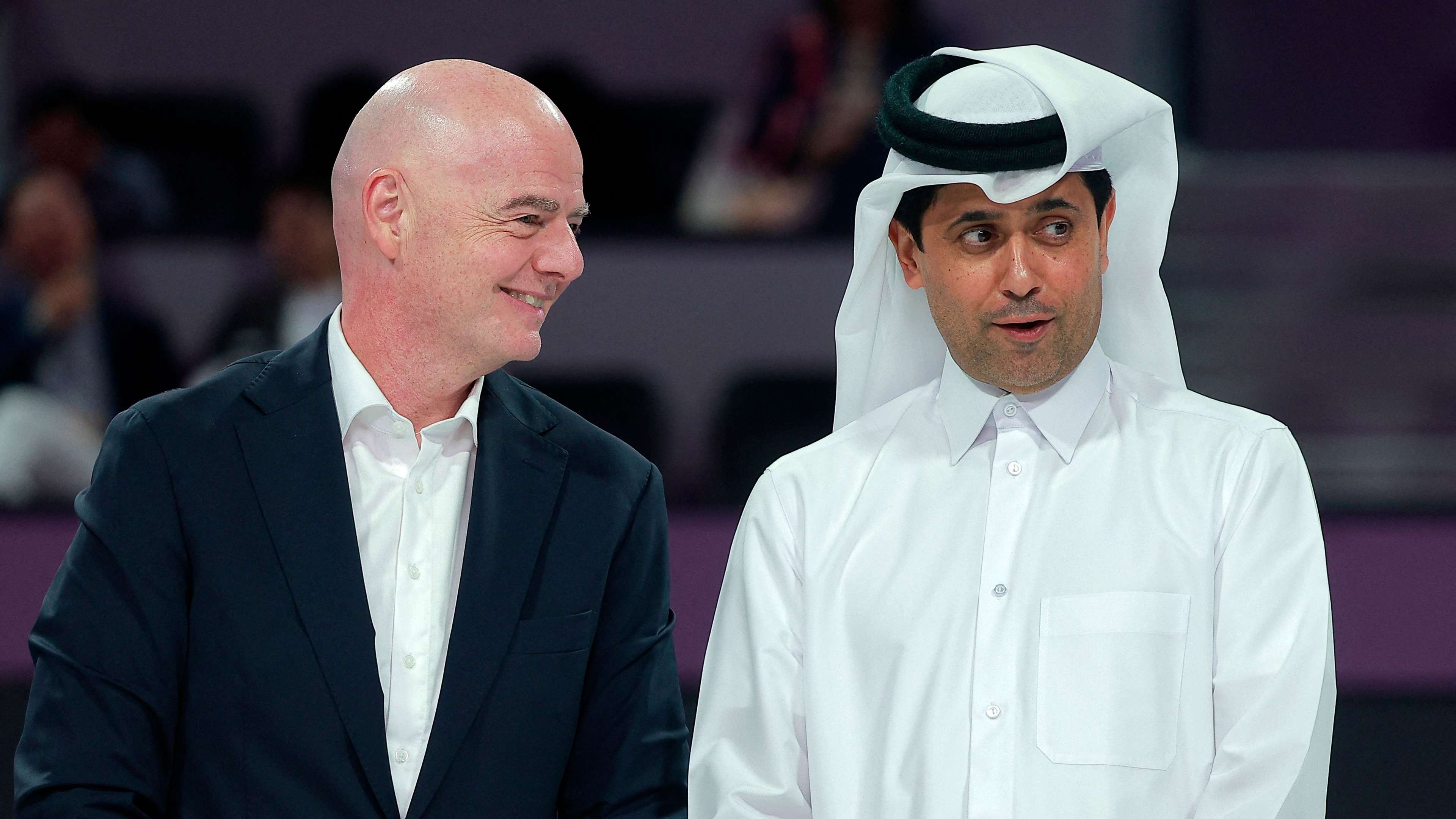
Paris Saint-Germain’s president, Nasser Al-Khelaifi, has made headlines after reportedly turning down a request from UEFA to run for the FIFA presidency. This decision comes amidst rising tensions between UEFA and current FIFA president Gianni Infantino over a contentious World Cup proposal.
Background of the Situation
The rift between UEFA and FIFA has been escalating due to disagreements over the future of international football tournaments. Infantino’s plans for a biennial World Cup have faced significant pushback from European football’s governing body, with concerns raised about the impact on player welfare, club schedules, and the integrity of the sport.
Despite the growing discord between UEFA and FIFA, Al-Khelaifi has made it clear that he is not interested in pursuing the top position in global football. The Qatari businessman, who has been at the helm of Paris Saint-Germain since 2011, remains focused on his responsibilities with the French club and other business ventures.
Al-Khelaifi’s Stance on the FIFA Presidency
In a statement released by PSG, Al-Khelaifi emphasized his commitment to the club and its fans, stating that his priorities lie in leading Paris Saint-Germain to further success on and off the pitch. While he acknowledged the significance of the FIFA presidency, he indicated that he has no intention of entering the race for the position at this time.
Al-Khelaifi’s decision to decline UEFA’s invitation to stand for the FIFA presidency has been met with mixed reactions within the football community. Some view his choice as a missed opportunity to bring fresh leadership to the global stage, while others respect his dedication to PSG and the projects he is currently involved in.
Implications for European Football
With Al-Khelaifi opting out of the FIFA presidential race, the landscape of international football governance remains uncertain. As tensions continue to simmer between UEFA and FIFA, the future direction of the sport’s highest governing bodies hangs in the balance.
For now, football fans around the world will have to wait and see how the power struggles between UEFA, FIFA, and other stakeholders play out. The outcome of these conflicts could have far-reaching implications for the sport, from the structure of international competitions to the distribution of resources and influence within the footballing community.
Conclusion
While Nasser Al-Khelaifi’s decision not to pursue the FIFA presidency has brought clarity to his immediate future, the broader repercussions of his choice are yet to be fully realized. As the football world continues to navigate the complexities of governance and leadership, the role of influential figures like Al-Khelaifi will remain a topic of interest and debate among fans, officials, and stakeholders alike.
Analysis of Al-Khelaifi’s Decision
Al-Khelaifi’s refusal to consider the FIFA presidency sheds light on the complexities of football politics at the international level. His focus on Paris Saint-Germain’s growth and success highlights the challenges faced by individuals balancing club commitments with potential higher positions in football governance. While some may see his decision as a missed opportunity, it underscores the dedication required to lead a top-tier club like PSG.
Furthermore, Al-Khelaifi’s stance may also reflect a strategic move to maintain neutrality in the ongoing power struggle between UEFA and FIFA. By abstaining from the presidential race, he avoids aligning himself with either side and retains flexibility to navigate future developments in football governance. This nuanced approach could position him as an influential figure capable of facilitating dialogue and cooperation between competing factions in the sport.
The Future of FIFA Leadership
Al-Khelaifi’s decision not to run for the FIFA presidency raises questions about who will ultimately lead the global football community. With the current tensions between UEFA and FIFA showing no signs of abating, the need for a unifying and visionary leader becomes increasingly urgent. The next leader of FIFA will have the daunting task of reconciling differing interests, restoring trust in the organization, and charting a sustainable path forward for international football.
As discussions around the future of the World Cup and other international competitions continue, the role of the FIFA president will be pivotal in shaping the direction of the sport. The qualities and priorities of the individual who assumes this position will have a profound impact on the landscape of football, influencing everything from tournament formats to governance structures.
Global Football Community’s Response
Al-Khelaifi’s decision has prompted diverse reactions from stakeholders across the football world. While some may view his choice as a missed opportunity for change and innovation, others commend his dedication to PSG and respect his focus on current responsibilities. The debate surrounding his stance underscores the complexity of leadership dynamics in football and the competing demands faced by individuals in positions of influence.
Moving forward, the global football community will continue to monitor developments within UEFA, FIFA, and other key bodies to assess the impact of leadership decisions on the sport’s future. The interplay between personal ambitions, institutional interests, and the broader goals of football governance will shape the trajectory of international competitions and the overall direction of the game.
Conclusion
In conclusion, Nasser Al-Khelaifi’s decision not to pursue the FIFA presidency reflects the intricate web of relationships and priorities that define global football governance. While his choice may have immediate implications for his own career trajectory, the broader implications for the sport’s leadership and direction remain to be seen. As the football world grapples with power struggles and strategic maneuvering, the role of influential figures like Al-Khelaifi will continue to be a focal point of discussion and speculation within the wider community.