
Paris Saint-Germain President Nasser Al-Khelaifi Responds to Manchester City Financial Rule Violations: Implications for Football and Future Predictions
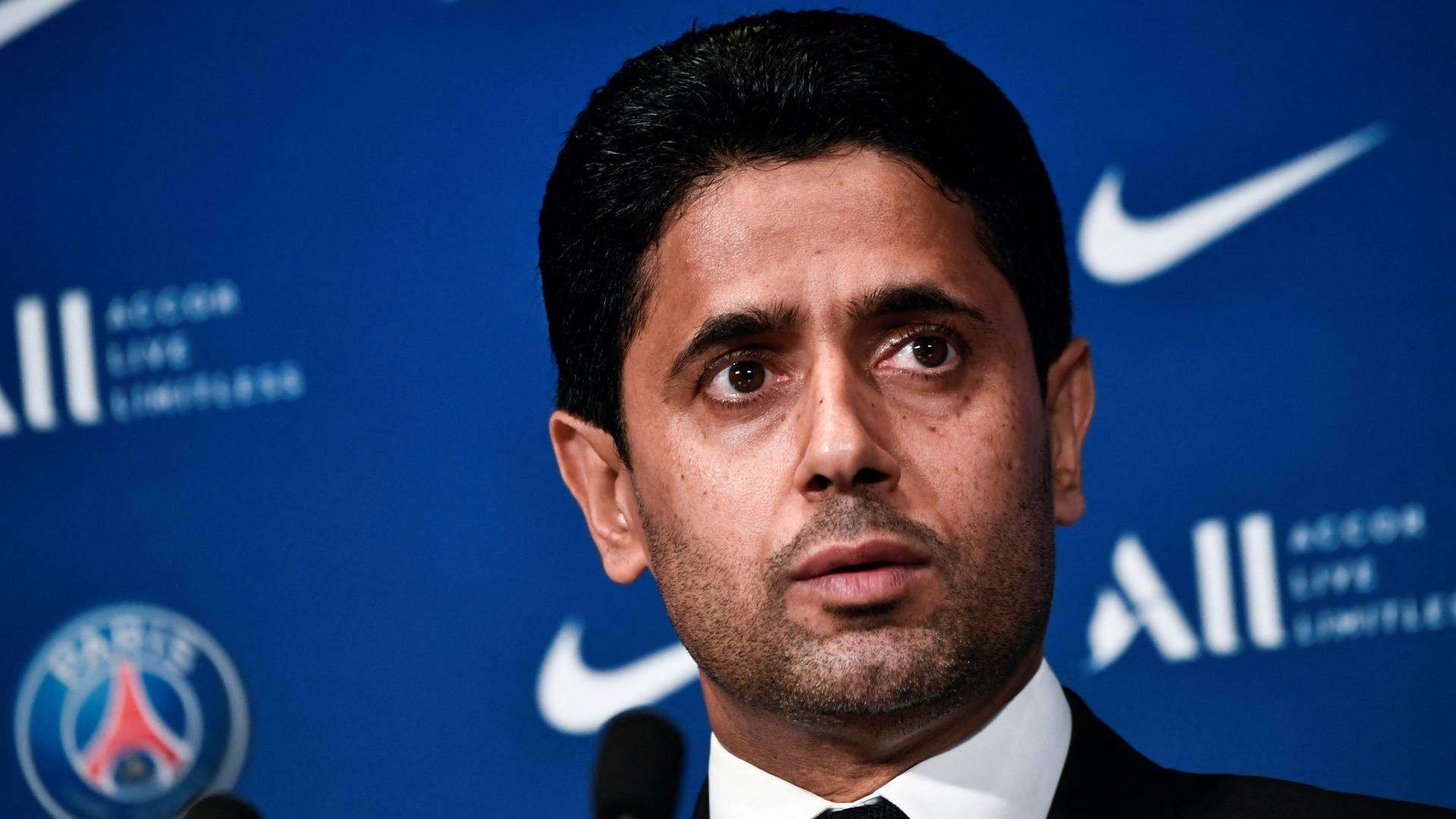
In a development that has sent shockwaves through the world of football, Manchester City has been officially found guilty of committing a staggering 115 breaches of Premier League financial rules. This revelation has reignited debates surrounding financial fair play (FFP), club governance, and the integrity of competitive football. While the football community eagerly anticipates the next steps, Nasser Al-Khelaifi, president of Paris Saint-Germain (PSG) and chairman of the European Club Association (ECA), has issued a notably measured response, choosing not to condemn the English club outright despite the gravity of the allegations.
The Context of Manchester City’s Financial Breaches: What Does This Mean for Football?
The findings against Manchester City, one of the most prominent and wealthiest clubs in the world, mark a significant moment in football’s ongoing battle to ensure fair competition. According to reports, the club was found guilty of numerous breaches related to the misrepresentation of financial information, potentially inflating sponsorship deals, and manipulating accounts to bypass financial fair play regulations. These breaches, allegedly spanning several years, could have substantial implications both legally and within the sport’s regulatory landscape.
Financial fair play rules are designed to promote transparency, prevent clubs from overspending beyond their means, and maintain a level playing field across leagues. When a club as influential as Manchester City is found guilty of such violations, it raises questions about the effectiveness of existing governance structures and enforcement mechanisms. The case also underscores the importance of rigorous financial oversight and the need for ongoing reform to prevent similar infractions in the future.
Nasser Al-Khelaifi’s Response: A Calm and Strategic Position
As one of the most influential figures in European football, Nasser Al-Khelaifi’s reaction to this high-profile case has garnered attention. Speaking in his capacity as chairman of the European Club Association, Al-Khelaifi emphasized the importance of due process and the need for a balanced perspective. Rather than issuing a direct condemnation of Manchester City, he highlighted the broader issues facing the sport, calling for a constructive approach to resolving disputes and strengthening the integrity of football governance.
Al-Khelaifi’s measured response reflects a strategic stance aimed at maintaining unity among European clubs. It also signals a recognition of the complex nature of financial regulation and the necessity for robust, transparent processes. His approach underscores the importance of collaboration and dialogue within the football community, especially as the sport navigates challenges related to financial fairness, competitive integrity, and commercial growth.
The Broader Impact on Football: Predictions and Future Trends
As football fans and analysts analyze the fallout from Manchester City’s ruling, many are pondering the potential consequences for the sport’s landscape. The case could serve as a catalyst for stricter enforcement of financial regulations and more rigorous oversight by governing bodies like UEFA and the Premier League. It also raises questions about the future of other clubs that may be under similar scrutiny, prompting predictions of increased transparency and accountability in football’s financial dealings.
From a prediction standpoint, this incident could lead to several notable developments:
- Enhanced Regulatory Measures: Expect a push for more stringent financial monitoring, including advanced forensic audits and real-time compliance checks to prevent breaches before they occur.
- Potential Sanctions and Penalties: Depending on the severity of the violations, clubs found guilty in future cases may face hefty fines, points deductions, or even exclusion from competitions, setting a precedent for stricter disciplinary actions.
- Reevaluation of Sponsorship Deals: Clubs might reassess their sponsorship agreements to ensure full transparency, potentially altering the financial landscape of football’s richest leagues.
- Impact on Transfer Market and Competitiveness: Stricter financial regulation could influence transfer strategies, with clubs becoming more cautious in their spending to avoid sanctions, thereby affecting competitive balance.
Implications for Football’s Commercial Future
Beyond immediate regulatory concerns, the Manchester City case highlights broader issues about the commercialization of football. As clubs increasingly rely on lucrative sponsorships, broadcasting rights, and global fan engagement, maintaining financial integrity becomes paramount. The case could accelerate efforts to develop more transparent financial frameworks that align with the sport’s long-term sustainability.
Moreover, fans and stakeholders are increasingly demanding accountability, pushing clubs to adopt ethical financial practices. This trend aligns with the growing importance of responsible governance, which can bolster the sport’s reputation and ensure its appeal to a broader, global audience.
What This Means for Football Prediction and Fan Engagement
For football enthusiasts and bettors, understanding the financial landscape of clubs is becoming more crucial for accurate predictions. The ongoing scrutiny of clubs like Manchester City could lead to shifts in team performance, transfer activities, and managerial strategies, all of which influence match outcomes and season predictions.
Football prediction models are now incorporating financial health indicators, club stability, and compliance with regulations as factors that could impact a team’s future success. As clubs navigate these regulatory challenges, their on-field performance might fluctuate, creating new opportunities and risks for fans and bettors alike.
Conclusion: A Turning Point in Football Governance
The Manchester City financial rule breaches represent a pivotal moment in football’s ongoing journey toward greater transparency and fairness. Nasser Al-Khelaifi’s measured response underscores the importance of balanced, strategic leadership during times of uncertainty. As the sport moves forward, the emphasis on rigorous regulation, accountability, and ethical governance will shape the future of football, influencing predictions, club strategies, and the overall integrity of the beautiful game.
Football fans, analysts, and stakeholders must stay vigilant and informed as the sport’s regulatory landscape evolves. The lessons learned from this case could serve as a blueprint for fostering a more sustainable, equitable, and transparent football ecosystem—ensuring that the game remains exciting, competitive, and fair for generations to come.