
Morocco’s Tarik Sektioui Expresses Pride and Optimism After Oman’s Opening Match in Gulf Cup “Gulf 27”
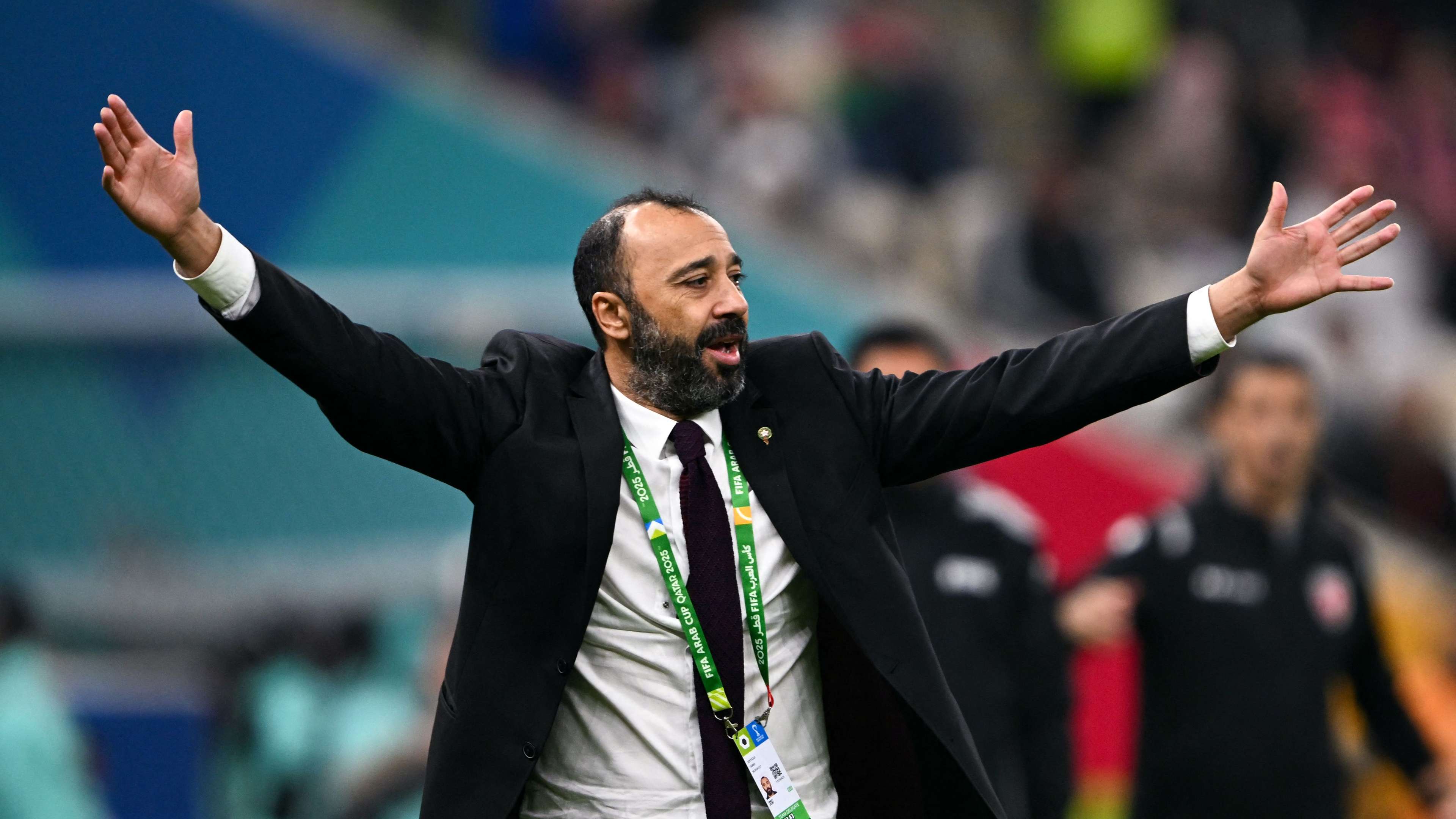
In a match filled with intensity and resilience, Oman’s head coach Tarik Sektioui demonstrated his satisfaction with his team’s performance during the opening game of the Gulf Cup “Gulf 27”. The encounter, held at the prominent Prince Abdullah Al-Faisal Sports City Stadium in Jeddah, saw Oman secure a commendable 1-1 draw against Iraq—an outcome that, while not a victory, offers a promising start for the team amid a challenging tournament landscape.
Analyzing Oman’s Draw Against Iraq: A Strategic Perspective
For Omani football fans, the expectation was clear: a victorious beginning to boost morale and set the tone for the competition. However, Sektioui’s pragmatic approach highlights the importance of earning valuable points in the tournament’s early stages. “Getting a point from a tough match against a team of Iraq’s caliber is an achievement in itself,” he remarked, emphasizing the significance of the result in the broader context of the Gulf Cup.
For those interested in football predictions and tournament outlooks, this match underscores the unpredictable nature of the Gulf Cup, where teams often face fluctuating performances and tactical battles. Sektioui’s side demonstrated resilience and strategic discipline, traits that could serve them well in future fixtures against formidable opponents.
Coaching Philosophy and Player Development
During the post-match press conference, Sektioui lauded his players’ fighting spirit and unity, describing the team’s internal chemistry as “more than wonderful.” He praised their dedication and resilience, noting that despite the intense pressure of the game, his squad fought tirelessly until the final whistle. “I am immensely proud to coach this group,” he stated confidently, reflecting his belief in the team’s potential to evolve and improve.
He shed light on the tactical adjustments made during the halftime break, revealing that brief video reviews and direct communication played a crucial role. “We watched quick clips and I spoke with the players to reinforce our game plan. I am very pleased with how they implemented the instructions on the pitch,” Sektioui explained. This approach highlights the importance of tactical flexibility and real-time coaching in modern football, especially in high-stakes tournaments like the Gulf Cup.
Building a Competitive Team: Early Stages and Future Aspirations
Despite the promising start, Sektioui remains realistic about the challenges ahead. Having only overseen Oman’s national team in three training camps, he acknowledged that his knowledge of the squad is still developing. “We are at the beginning of our journey, and there is much work to be done, particularly on the physical side,” he admitted. This honesty underscores the often gradual process of team building, especially when integrating new coaching philosophies and strategies.
Looking forward, Sektioui’s message to the squad is clear: the door remains open to all players who demonstrate their worth on the pitch. “Selection will be based solely on performance and effort,” he affirmed, emphasizing meritocracy and competition as driving forces behind team selection. This approach aims to foster a culture of continuous improvement and accountability, vital for sustained success in regional football competitions.
Football Philosophy and the Road Ahead in the Gulf Cup
Sektioui’s footballing philosophy centers around a balanced approach—playing to win while prioritizing the avoidance of defeat. “Our culture and identity are rooted in a desire to always pursue victory,” he stated. “If victory isn’t possible, then our focus shifts to minimizing risks and ensuring we don’t lose.” This pragmatic outlook aligns with modern football tactics, where resilience and strategic planning often outweigh pure attacking flair in tournament settings.
As the tournament progresses, Oman’s team will need to harness this mindset alongside tactical discipline and physical endurance. The Gulf Cup, renowned for its competitive intensity, rewards teams capable of adapting swiftly and maintaining consistency across matches. With Sektioui at the helm, Oman appears poised to develop into a resilient outfit capable of upsetting predictions and making a significant impact in the ongoing competition.
Looking Beyond the Match: The Significance of Predictions and Expectations in Football
Football predictions for tournaments like the Gulf Cup often fluctuate based on team form, player availability, and tactical setups. While experts may have initially discounted Oman’s chances, their resilient draw against Iraq suggests that underestimating Sektioui’s side could be a mistake. As the tournament unfolds, analysts and fans will be keenly observing how Oman’s team evolves, especially in key upcoming fixtures against strong opponents such as Saudi Arabia and Kuwait.
For enthusiasts interested in football prediction and tournament insights, this match serves as a reminder that early results, tactical adaptability, and team cohesion are critical factors that can influence the final standings. Teams that display resilience and strategic discipline often defy expectations and emerge as dark horses in regional competitions.
Conclusion: A Promising Start and a Bright Future for Oman’s Football
Oman’s opening performance at Gulf 27, marked by a commendable draw against Iraq, has injected optimism into the national football program. Under the guidance of Moroccan coach Tarik Sektioui, the team is laying the foundations for future success through a combination of tactical discipline, player development, and a resilient mental approach. While the journey has only just begun, the early signs indicate that Oman’s football is on an upward trajectory, with potential to challenge traditional powerhouses in the Gulf region.
As fans and analysts continue to follow the tournament, one thing remains clear: with the right strategies and unwavering determination, Oman can defy predictions and carve out a memorable campaign in Gulf 27. The road ahead promises excitement, strategic battles, and the hope of making a lasting mark on regional football history.