
FIFA Controversy Sparks Debate Over Eligibility and Fair Play in Football
In a development that has sent shockwaves through the football community worldwide, FIFA, the global governing body of the sport, finds itself embroiled in a significant controversy that could have far-reaching consequences for the upcoming World Cup. According to an investigative report by The New York Times, internal documents and confidential correspondence reveal that FIFA officials had privately concluded that the Democratic Republic of the Congo (DR Congo) fielded an ineligible player during a crucial qualifying match. This revelation raises critical questions about the integrity of the qualification process and the transparency of FIFA’s decision-making mechanisms.
Unpacking the Allegations: The Ineligible Player and Its Implications
The core of the controversy centers around the use of an ineligible player by the DR Congo national football team during the final stages of the qualification process for the upcoming World Cup. According to leaked internal documents obtained by The New York Times, FIFA’s legal officials had identified strong evidence that the player in question did not meet the eligibility criteria set forth by the governing body’s regulations.
Typically, such violations in international football are met with strict sanctions, including forfeiting matches where the ineligible player participated. This means that, under normal circumstances, the team could have faced disqualification or been stripped of their results in the matches affected by the ineligible player. However, in a surprising turn of events, FIFA allowed the DR Congo to continue their campaign and ultimately progress to the World Cup after their victory over Jamaica in the decisive playoff match.
The Crucial Playoff: A Historic Qualification at Stake
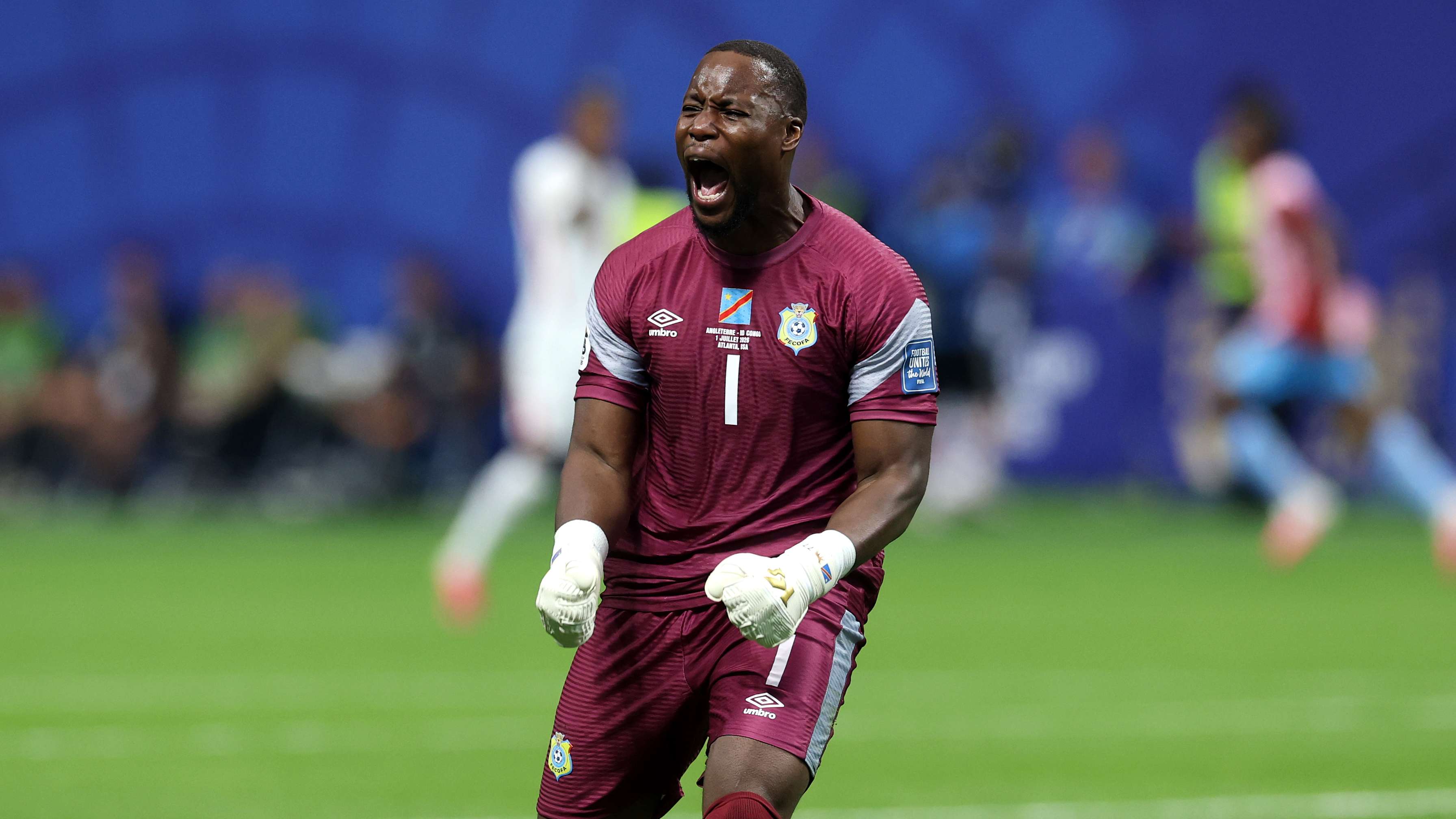
The match against Jamaica was more than just a game; it was a historic opportunity for DR Congo to qualify for the World Cup for the first time in over five decades. With the stakes incredibly high, the team needed a victory to secure their spot in the tournament, igniting hope and excitement among their supporters and fans worldwide.
Despite the internal knowledge within FIFA about the ineligibility issue, the governing body decided to permit the match to proceed, leading to a dramatic victory for DR Congo. The team’s triumph over Jamaica not only marked a significant milestone in their football history but also sparked widespread debate about fairness and the integrity of the qualification process in international football.
Reactions and Repercussions: A Call for Transparency and Reform
The revelation that FIFA officials privately recognized the potential violation yet chose to allow the match to proceed has prompted a flurry of reactions from football stakeholders, fans, and sports analysts. Many argue that this incident exposes underlying issues within FIFA’s governance, including transparency, accountability, and consistency in enforcing rules.
Former players, football experts, and even some national associations have called for a thorough review of FIFA’s decision-making processes, emphasizing the importance of upholding the principles of fair play and integrity that underpin the sport. Critics suggest that such lapses undermine the credibility of international competitions and risk eroding public trust in the sport’s governing institutions.
The Broader Context: Football’s Ongoing Fight for Fair Competition
This controversy arrives amid a broader conversation about the need for reform within FIFA and the international football community. Over recent years, the sport has faced multiple challenges related to corruption, governance issues, and inconsistent enforcement of rules. The current situation with DR Congo’s qualification adds fuel to the debate, highlighting the importance of establishing transparent, standardized procedures for handling eligibility violations and other disciplinary matters.
Moreover, the incident underscores the vital role of predictive analysis and accurate prediction models in football. Fans and analysts alike rely on predictions to gauge team performances, especially during tournaments like the World Cup. Controversies such as these challenge the fairness of predictions, as external factors and behind-the-scenes decisions can significantly influence outcomes and perceptions of legitimacy.
What Lies Ahead: Potential Investigations and Reforms
In the wake of these revelations, FIFA faces mounting calls for an independent investigation into the matter. Stakeholders are demanding clarity on how decisions were made and whether any misconduct or oversight contributed to the decision to allow DR Congo’s qualification despite internal knowledge of a rules violation.
Additionally, this incident may accelerate ongoing efforts to reform FIFA’s governance structure, with a focus on increasing transparency, implementing stricter oversight of eligibility rules, and establishing clear protocols for disciplinary actions. Such reforms are essential to restore confidence in the sport’s adjudication processes and ensure that future competitions are conducted fairly and ethically.
Implications for Football Fans and Predictive Analysis
For football enthusiasts and bettors who rely on predictions to make informed decisions, this controversy introduces an element of unpredictability that could influence future match outcomes and betting markets. Understanding the potential impact of administrative decisions and eligibility controversies is crucial for those involved in football prediction activities.
As the sport navigates this turbulent period, fans are reminded of the importance of critical analysis and staying informed about the behind-the-scenes developments that can affect team performances and tournament results. Accurate prediction models must account for not only on-field factors but also the broader governance landscape that influences the fairness and competitiveness of international football.
Conclusion: A Turning Point for Football’s Integrity?
The revelations about FIFA’s internal knowledge of the DR Congo eligibility issue and the decision to allow their World Cup qualification mark a critical juncture in the sport’s history. While football remains the world’s most beloved sport, incidents like these highlight the ongoing challenges faced by governing bodies in maintaining integrity and fairness.
As the global football community awaits further investigations and potential reforms, one thing is clear: the pursuit of fair play and transparent governance must remain at the heart of the sport’s evolution. For fans and prediction enthusiasts, staying vigilant and informed will be key to navigating the complexities of international football in the years to come.