
PSG Deliver a Stunning First-Half Blow at Manchester City
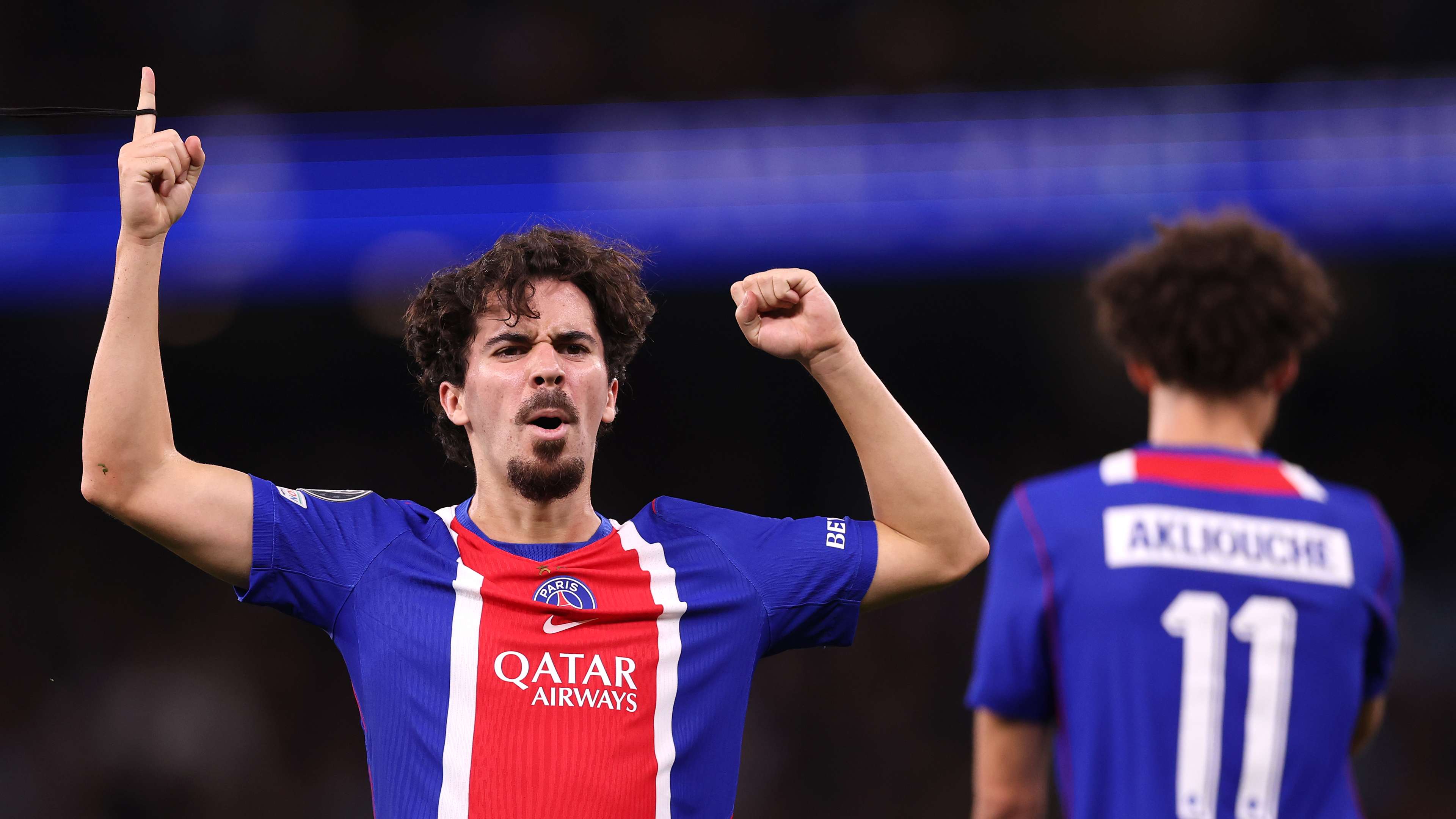
Paris Saint-Germain produced a remarkable opening-half performance against Manchester City, racing into a 3-0 lead at the Etihad Stadium in their second match of the Champions League league phase. Goals from Désiré Doué, Ousmane Dembélé and Vitinha stunned the home crowd and gave the French visitors a commanding advantage before the interval.
Doué opened the scoring in the 13th minute, setting the tone for an assertive PSG display. Just two minutes later, Dembélé struck again, leaving City with little time to recover from the first setback. Vitinha added a third in the 32nd minute, completing a rapid spell of pressure and putting the visitors in a position few would have predicted before kick-off.
A landmark Champions League start
PSG’s fast start placed the performance among the quickest three-goal leads ever recorded against Manchester City in the Champions League. According to Stats du Foot, the Parisians needed only 32 minutes to move three goals ahead, making them the second-fastest team to achieve the feat against City in the competition.
Liverpool remain the only side to have done it sooner. During the first leg of their Champions League quarter-final at Anfield on 4 April 2018, Liverpool went 3-0 up after 31 minutes. They carried that advantage into the second leg, eventually winning the tie 5-1 on aggregate after a 2-1 victory in Manchester.
The comparison adds historical weight to PSG’s first-half surge. It also underlines how unusual the scoreline was for a City side accustomed to controlling matches at home. Opta noted that City were trailing by three goals at half-time in a home match for the first time since January 2012, when they faced Manchester United in an FA Cup tie.
City supporters face a difficult night
The result was particularly jarring for Manchester City supporters, who had backed their team through a tense period surrounding the club’s conviction for breaching Premier League financial regulations. The atmosphere had carried a sense of solidarity and anticipation, but PSG’s early goals quickly shifted the mood inside the stadium.
For City, the challenge was not simply to find a goal. They needed to regain composure, limit PSG’s space and prevent the visitors from turning their advantage into an even more damaging scoreline. A three-goal deficit can change a team’s approach: pushing forward may create chances, but it can also leave gaps for a quick and technically gifted opponent to exploit.
PSG, meanwhile, had every reason to remain disciplined. Their attacking quality had already made the difference, but protecting a lead against a side with City’s experience requires concentration as well as ambition. The visitors’ first-half showing offered a compelling example of how decisive pressing, quick combinations and clinical finishing can disrupt even the most established teams.
What the first-half performance means
Beyond the score, PSG’s start delivered an important statement about their ability to compete on Europe’s biggest stage. Doué’s opener gave them momentum, Dembélé’s finish intensified the pressure, and Vitinha’s goal capped a spell in which City struggled to contain the visitors. The sequence showed how quickly a Champions League match can turn when one side converts its opportunities and the other fails to settle.
For fans assessing the wider football picture, the result also offered plenty to consider ahead of future fixtures. City’s response would be a key test of resilience, while PSG’s task was to maintain the same focus after such a spectacular opening. One impressive half can shape a match, but consistency across the full contest is what ultimately determines whether a team can turn a strong performance into a lasting result.
Any football prediction made before kick-off would have needed to account for PSG’s attacking potential, but few would have expected the French side to establish such a substantial lead so quickly. The match served as a reminder that Champions League football rarely follows a straightforward script. Form, reputation and home advantage matter, yet sharp execution in the decisive moments can rewrite expectations in a matter of minutes.
Looking ahead
Manchester City’s next listed Premier League fixture is against Ipswich on 17 October 2026, while PSG are scheduled to face Strasbourg in Ligue 1 on the same date. Those domestic matches will bring different challenges, but the immediate focus remains on what this Champions League encounter reveals about both teams: City’s capacity to recover from a rare setback and PSG’s ability to sustain the intensity that made their first-half display so memorable.
With three goals scored inside 32 minutes, PSG delivered one of the most striking openings of the Champions League league phase. The result placed them alongside Liverpool in the competition’s recent history against City and left the hosts facing an unfamiliar situation at home. For supporters, analysts and anyone following the latest football prediction discussions, it was a dramatic reminder that elite European nights can change direction at breathtaking speed.