
Rishabh Pant Nears Fitness Clearance for India’s New Zealand Test Tour
Rishabh Pant is closing in on a return to international cricket, with the India wicketkeeper-batter expected to complete two fitness and match-simulation assessments at the BCCI Centre of Excellence (CoE). If he passes the tests, he could receive medical clearance on November 12 and travel to New Zealand for India’s two-Test series.
The final decision will be an important step in Pant’s recovery from a side strain, an injury that has kept him out of competitive action since the second Test against Sri Lanka in Colombo. While his return is not yet confirmed, recent training reports offer encouraging signs for India as the team prepares for a demanding overseas assignment.
Encouraging signs from batting and wicketkeeping practice
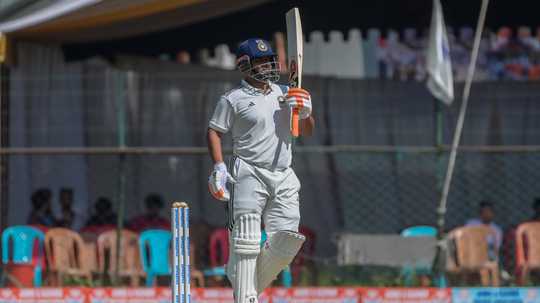
Sources indicate that Pant has made good progress at the CoE, completing productive batting and wicketkeeping sessions. He has reportedly looked comfortable in the nets, while images from his practice work shared on social media have shown him striking the ball confidently.
Those sessions are a positive indicator, but training alone cannot determine whether a player is ready for the demands of Test cricket. The upcoming assessments are expected to examine Pant’s movement, ability to change direction, workload tolerance and readiness to perform repeatedly at full intensity. The simulation component should also help the medical and coaching staff assess how he responds to match-like situations.
For a wicketkeeper, the physical test is especially significant. Keeping for long periods involves repeated squatting, quick lateral movement and sudden bursts of effort, while batting can require explosive running between the wickets. The CoE will need to be satisfied that Pant can manage both roles without aggravating the injury.
India’s Test schedule in New Zealand
The first Test is scheduled to begin at Basin Reserve in Wellington on November 17. The series finale will be played in Christchurch from November 27. If cleared on November 12, Pant would have several days to travel, join the squad and prepare before the opening match.
That window would give India’s management time to evaluate his condition in the team environment, although his selection and role would depend on how he responds after the journey and during final preparations. A clearance to travel would be a major milestone, but it would not necessarily guarantee immediate inclusion in the playing XI.
India will be looking for adaptability in New Zealand, where conditions can challenge visiting batters with movement off the pitch and assistance for seam bowlers. Pant’s ability to shift momentum with attacking strokeplay could be valuable, particularly if the side needs a counterpunch against sustained pressure. His wicketkeeping also offers the team another experienced option behind the stumps.
How the injury disrupted Pant’s return
Pant was initially named in the India A squad for three matches scheduled ahead of the Test series. However, he did not appear in any of those games because he had not received clearance from the CoE. The decision to keep him out of competitive action reflected the importance of completing his rehabilitation before exposing him to the intensity of a match.
The side strain occurred during the Irani Cup match between Rest of India and Jammu & Kashmir in Srinagar. Pant was subsequently withdrawn from the India A squad and continued his recovery at the CoE. Although missing the warm-up games reduced his opportunity to build match rhythm, the rehabilitation period has allowed the medical staff to monitor his progress closely.
His absence from international cricket since the Colombo Test has also made the final fitness checks particularly important. A player returning from injury must be ready not only for a short burst of activity but for the sustained workload of a Test match, potentially across several days.
Why Pant’s availability matters to India
Pant is valued for more than his batting average or wicketkeeping. His aggressive approach can change the tempo of an innings, giving India a way to respond when opponents appear to have control. In a challenging away series, that ability to create scoring opportunities can influence both the match situation and the pressure placed on the opposition.
His return would also give the selectors greater flexibility when balancing the batting order and wicketkeeping responsibilities. India may assess whether Pant is ready to take on the full demands of keeping and batting, or whether his workload should be managed carefully. The answer will depend on the medical assessment and the team’s broader strategy for the tour.
There is no need to treat the current optimism as a confirmed selection. The key development is that Pant is approaching the final stage of his rehabilitation, with two assessments expected to determine whether he can travel. Any prediction about his participation in the first Test remains conditional until the CoE issues formal clearance.
Fitness tests to shape the next step
The coming days will therefore be decisive. A successful assessment could put Pant on course to rejoin India in New Zealand, while any concerns may lead the team to delay his return rather than risk a setback. For the player, completing the tests safely will matter as much as passing them.
India’s supporters will be watching for confirmation of the clearance, but the priority will be ensuring that Pant is fully prepared for the demands of international cricket. If he receives the go-ahead and responds well after arriving in New Zealand, his presence could add energy and attacking intent to the Test squad. Until then, the most responsible prediction is that his return is promising, but still dependent on the final fitness and simulation results.