
Chelsea’s Cole Palmer Faces Twitch Ban Over Unauthorized EA Sports FC 27 Gameplay Leak
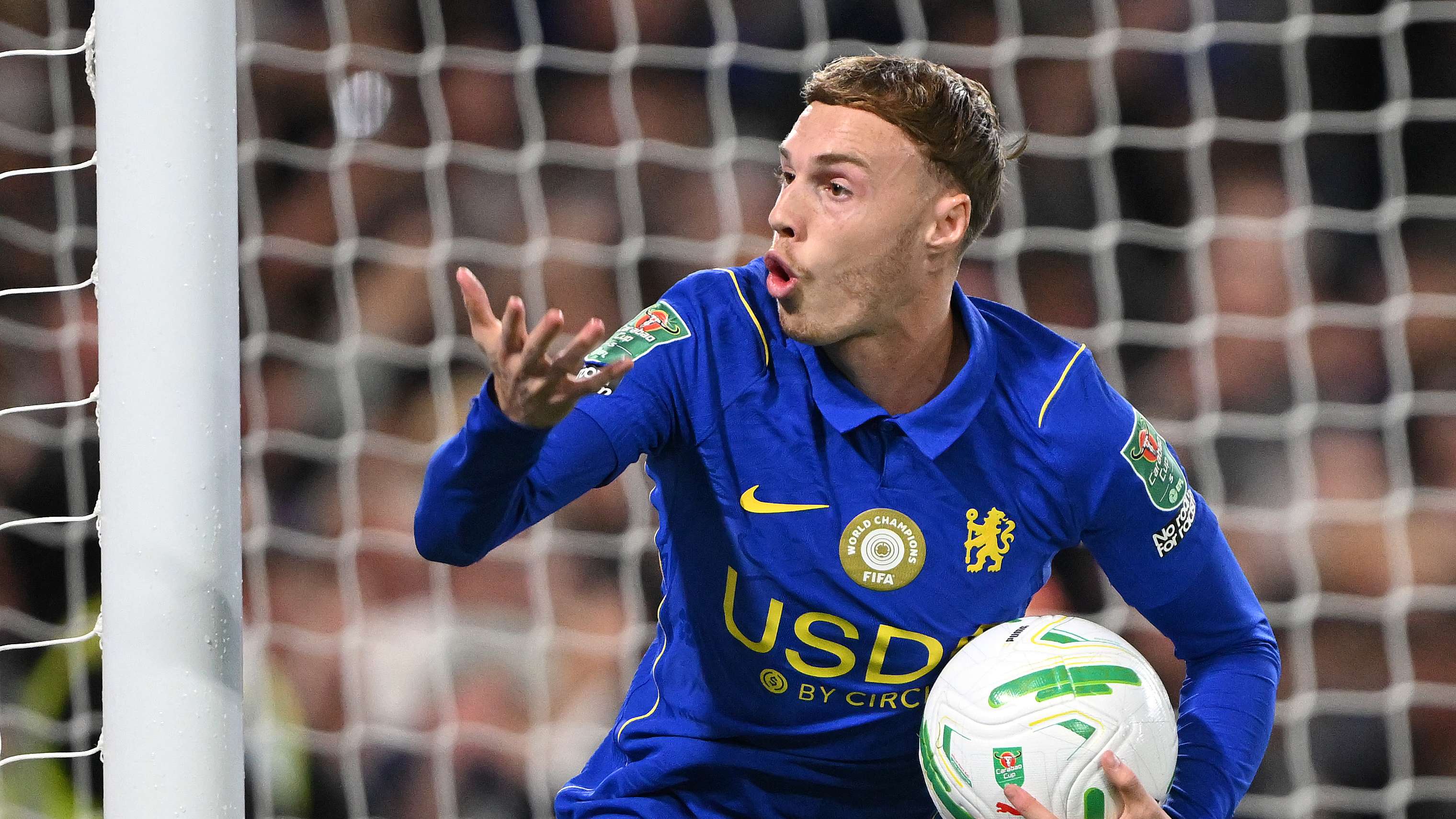
In a surprising turn of events that has sent ripples through the football and gaming communities alike, Chelsea’s promising young midfielder Cole Palmer has found himself at the center of a controversy involving Twitch, the popular live streaming platform. The England international footballer was temporarily banned after inadvertently broadcasting gameplay footage of the highly anticipated EA Sports FC 27 before its official release. This incident not only highlights the increasing intersection between professional athletes and gaming culture but also raises important questions about intellectual property, digital rights, and the impact of leaks on the competitive landscape of football-themed video games.
The Incident: How a Playful Stream Turned Sour
During a routine live session on Twitch, Cole Palmer decided to share a glimpse of his gaming session, which unexpectedly included gameplay footage of EA Sports FC 27, the latest installment in the popular football video game series. The game, expected to be released globally in the coming weeks, was still under wraps, with early access typically granted to select testers, influencers, and media outlets under strict embargoes.
However, Palmer’s unintentional breach of these confidentiality agreements led to swift action from Twitch moderators. The platform, committed to enforcing its community guidelines and respecting copyright protections, issued an immediate ban, effectively suspending the player’s streaming privileges. The incident quickly gained traction on social media, sparking debates about athlete conduct, digital rights management, and the security of unreleased gaming content.
Why Was This a Big Deal? The Significance of the Leak
While at first glance it might seem like a minor slip-up, this incident underscores several critical issues within the realm of football, gaming, and digital media. EA Sports FC 27, which is expected to feature advanced gameplay mechanics, realistic graphics, and innovative features, is considered a major release that could influence predictions and betting odds for upcoming football matches.
Leaks of unreleased games have historically caused significant disruptions, affecting marketing strategies, consumer anticipation, and even the competitive landscape of professional football predictions. For instance, early access to gameplay can influence fan expectations and betting predictions, which are now integral parts of the modern football ecosystem. Unauthorized sharing of such content can also compromise EA Sports’ promotional plans, leading to potential financial implications.
The Broader Impact on Football and Gaming Communities
This incident also highlights the growing influence of footballers in the gaming sphere. Many professional players, including those at top clubs like Chelsea, actively engage with fans through streaming platforms, showcasing their skills on virtual pitches, and fostering a deeper connection between fans and athletes. Cole Palmer’s engagement with Twitch reflects this trend, where gamers and footballers alike are increasingly seen as digital influencers.
However, as this case illustrates, there are risks associated with this crossover. Unauthorized content sharing can lead to legal repercussions, damage to personal and brand reputation, and even disciplinary actions from clubs or governing bodies. For instance, some football associations have strict rules against players sharing certain types of content during the season, emphasizing professionalism and adherence to confidentiality agreements.
The Future of Football Predictions and Gaming Content
Looking ahead, the incident involving Palmer serves as a cautionary tale for athletes, influencers, and gaming companies alike. As football predictions become more sophisticated—incorporating data analytics, AI, and virtual simulations—the integrity of early content releases becomes crucial. Leaks can skew predictions, disrupt betting markets, and undermine the strategic planning of teams and analysts.
In the competitive world of football, where match predictions can influence betting odds and fan expectations, maintaining control over digital content is more important than ever. EA Sports’ approach to marketing and the security protocols surrounding unreleased titles will likely evolve to prevent similar leaks in the future, possibly through stricter embargoes, enhanced digital rights management, and athlete education programs on content sharing.
Legal and Ethical Considerations in the Digital Age
The Cole Palmer Twitch incident raises broader questions about the legal and ethical responsibilities of athletes and content creators in the digital age. Unauthorized sharing of proprietary gaming content can breach copyright laws and contractual agreements with game developers and publishers. Moreover, it emphasizes the importance of digital literacy, especially among public figures who have substantial follower bases.
Sports organizations and gaming companies are increasingly aware of the need to educate athletes and influencers about the potential repercussions of such leaks. This includes understanding intellectual property rights, respecting embargoes, and recognizing the influence they wield in shaping public perception and market dynamics.
Conclusion: A Wake-Up Call for the Intersection of Football and Gaming
The incident involving Chelsea’s Cole Palmer serves as a compelling reminder of the delicate balance between fan engagement, athlete influence, and intellectual property rights in the digital era. While gaming and football continue to intertwine, fostering new avenues for prediction, entertainment, and community building, they also demand responsible content sharing and strict adherence to legal guidelines.
As the football world eagerly anticipates the release of EA Sports FC 27, stakeholders—including players, fans, developers, and leagues—must navigate the evolving landscape carefully. Ensuring the integrity of unreleased content and safeguarding the accuracy of football predictions will be vital to maintaining a fair, engaging, and innovative sports ecosystem.
In conclusion, this incident not only highlights the importance of digital responsibility but also underscores the transformative power of gaming in modern football culture. Expect to see further discussions and policy developments as the industry continues to adapt to the challenges and opportunities presented by the digital age.