
Major Injury Blow for Crystal Palace and Moroccan International Chadi Riad
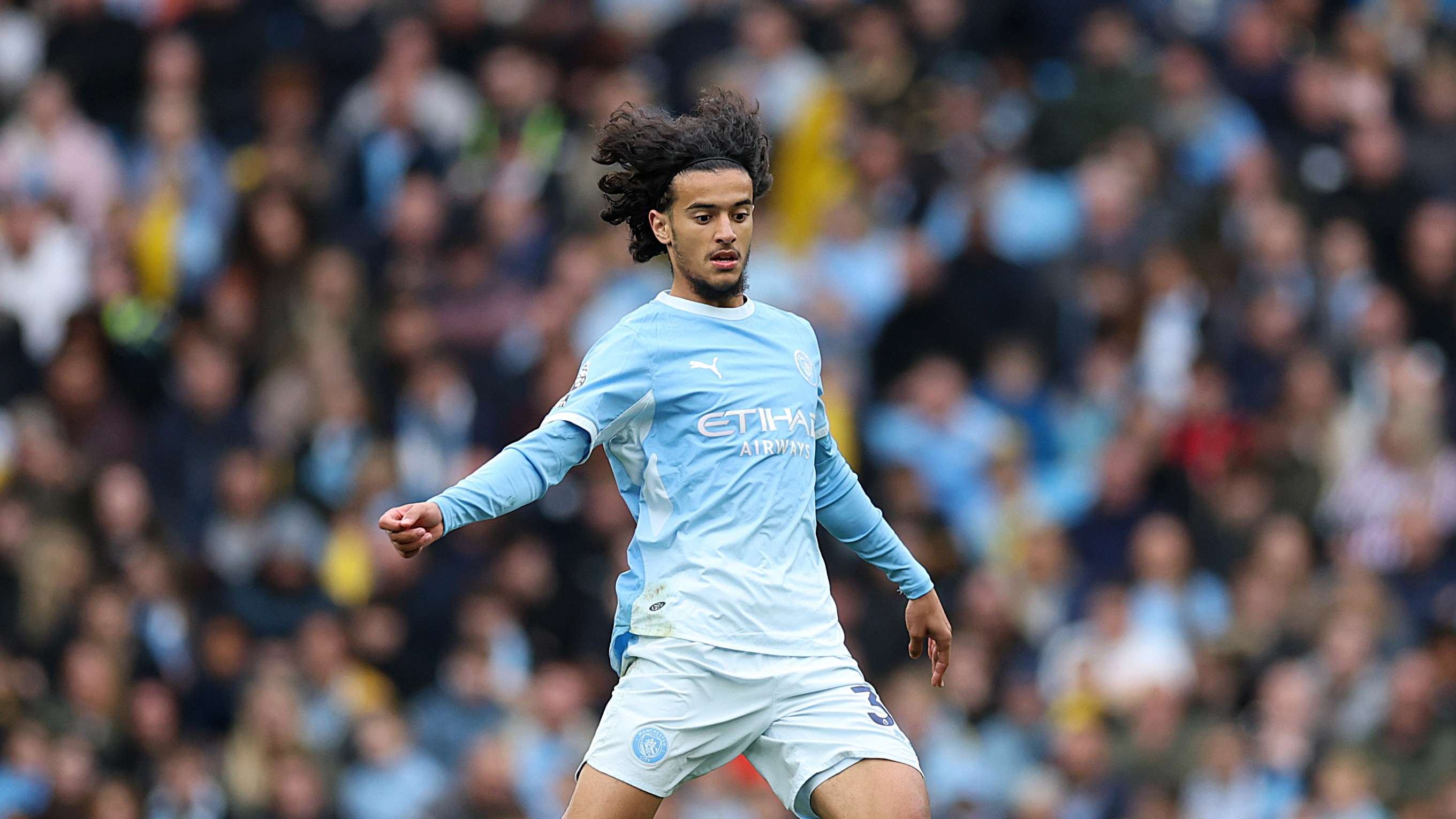
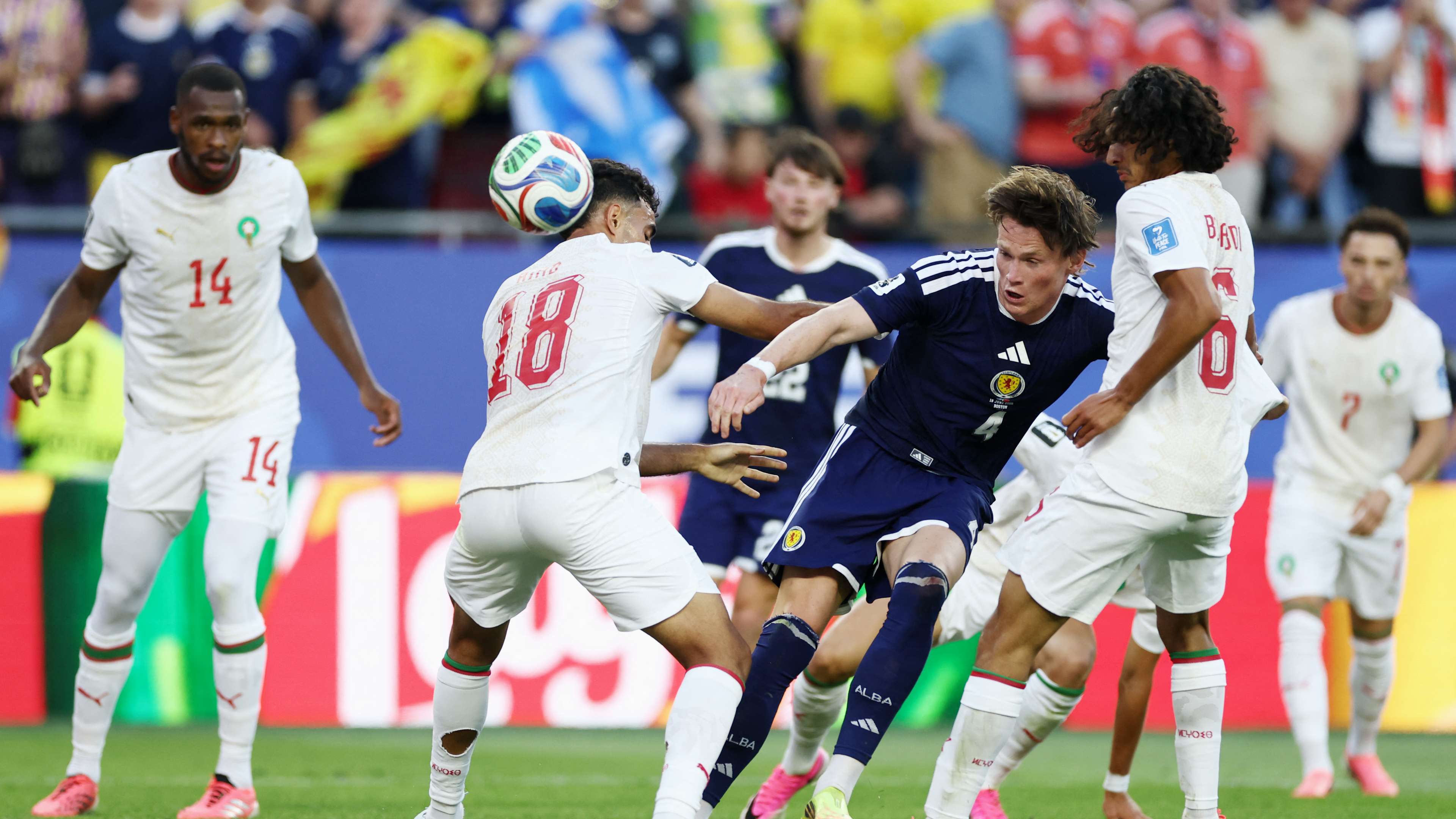
The start of the football season has taken a somber turn for Crystal Palace and their Moroccan international defender, Chadi Riad. Known for his versatility and leadership in the backline, Riad’s recent injury has sent shockwaves through the club, fans, and football analysts alike. This unexpected setback not only threatens his personal career trajectory but also has significant implications for the team’s upcoming fixtures and strategic planning, especially amidst the crucial context of football prediction for the season.
Injury Details and Medical Confirmation
During a fiercely contested Premier League match against Everton, Riad sustained a serious injury that ultimately ended his campaign for the current season. According to a detailed report by the British newspaper The Daily Mail, medical examinations conducted earlier this week confirmed that the Moroccan international suffered a torn anterior cruciate ligament (ACL). This type of injury is one of the most severe in football, often requiring months of rehabilitation and, in many cases, influencing a player’s long-term career prospects.
Riad’s injury occurred in the 70th minute of the match when he was forced to leave the pitch on a stretcher, visibly distressed but conscious of the gravity of his injury. The ACL tear is particularly concerning because it impacts knee stability and mobility—crucial elements for a defender’s performance on the pitch. This injury is, unfortunately, not Riad’s first experience with such a serious setback. Earlier in his career, he endured a similar injury that kept him sidelined for an extended period, illustrating the physical toll this type of injury can impose on professional footballers.
Riad’s Career Trajectory and Recent Form
Chadi Riad’s journey in professional football has been a compelling story of resilience and growth. He initially made a name for himself at FC Barcelona, where his promising talent caught the eye of scouts across Europe. His move to Crystal Palace from Barcelona for a transfer fee of £12 million marked a significant step in his career, reflecting the club’s confidence in his potential.
Despite a challenging first season plagued by injuries, Riad demonstrated remarkable resilience, gradually earning more playing time and establishing himself as a key figure in Palace’s defense. Last season marked a turning point. Riad’s performances improved significantly, culminating in his starting role in the UEFA Conference League final, where Crystal Palace triumphed over Rayo Vallecano to lift the trophy. This success not only elevated his standing within the team but also boosted his confidence ahead of the new season, as he aimed to solidify his role in the squad.
Impact on Team Strategy and Football Prediction
The timing of Riad’s injury couldn’t be more unfortunate for Crystal Palace, especially considering the club’s recent efforts to strengthen their squad during the transfer window. With the injury sidelining Riad, the club now faces pressing questions regarding defensive depth and strategic adjustments. In the context of football prediction—analyzing team performances, injury risks, and fixture difficulty—Riad’s absence is likely to influence predictions for upcoming matches.
To mitigate the impact, Palace’s coaching staff moved swiftly, signing Axel Disasi on loan from Chelsea and closing in on Joel Ordóñez from Club Brugge. These acquisitions aim to bolster the backline and maintain defensive stability. However, integrating new players into an already cohesive unit takes time, and the immediate future may see Palace vulnerable defensively. Football experts and prediction models will be closely watching how well these new signings adapt and how the team compensates for the loss of Riad.
Broader Implications for the Premier League and Football Fans
This injury not only affects Crystal Palace but also resonates across the broader football community, especially fans and analysts involved in football prediction. As predictions often rely heavily on player availability and team chemistry, Riad’s absence introduces new variables into match outcome forecasts. For supporters and betting enthusiasts, understanding the injury landscape becomes critical for making accurate predictions about match results and league standings.
Moreover, Riad’s injury shines a spotlight on the physical demands of top-tier football and the importance of player health management. Clubs are increasingly investing in advanced medical and rehabilitation programs to prevent such injuries, recognizing their potential to derail season objectives and influence prediction models significantly.
The Road to Recovery and Future Outlook
While Riad’s immediate future remains uncertain, the football community hopes for a swift and successful recovery. ACL injuries, though severe, are increasingly manageable with modern medical techniques, and many players have returned to peak performance after months of rehabilitation. His dedication and resilience will be crucial as he embarks on this recovery journey.
In the meantime, Crystal Palace must adapt quickly, leveraging their new signings and tactical flexibility to navigate the challenging fixtures ahead. The club’s resilience, combined with smart recruitment and strategic planning, will be tested as they aim to stay competitive in the Premier League.
Conclusion: The Significance of Player Injuries in Football Prediction and Strategy
Chadi Riad’s injury serves as a stark reminder of how unpredictable factors such as player health can influence football predictions, team dynamics, and season outcomes. For fans, analysts, and betting companies alike, staying informed about injury developments is essential for accurate forecasting and strategic decision-making.
As the season progresses, football prediction models will continue to evolve, factoring in the impact of injuries like Riad’s. The resilience of teams and players will ultimately determine the narrative of the season, making every fixture a compelling contest of skill, strategy, and sometimes, sheer luck.
For Crystal Palace, the road ahead will demand adaptability, unity, and a collective effort to overcome this setback. The football world will be watching closely, eager to see how the club responds and how this injury influences the broader landscape of Premier League predictions and outcomes.