
Mbappé’s Controversial Penalty Puts Real Madrid in Front Against Racing Santander
A disputed penalty awarded to Kylian Mbappé became the defining talking point of Real Madrid’s La Liga match against Racing Santander on Sunday evening. The decision arrived after an earlier appeal by Madrid had been rejected, creating a sharp contrast between the two incidents and prompting fresh debate about how referees judge contact inside the penalty area.
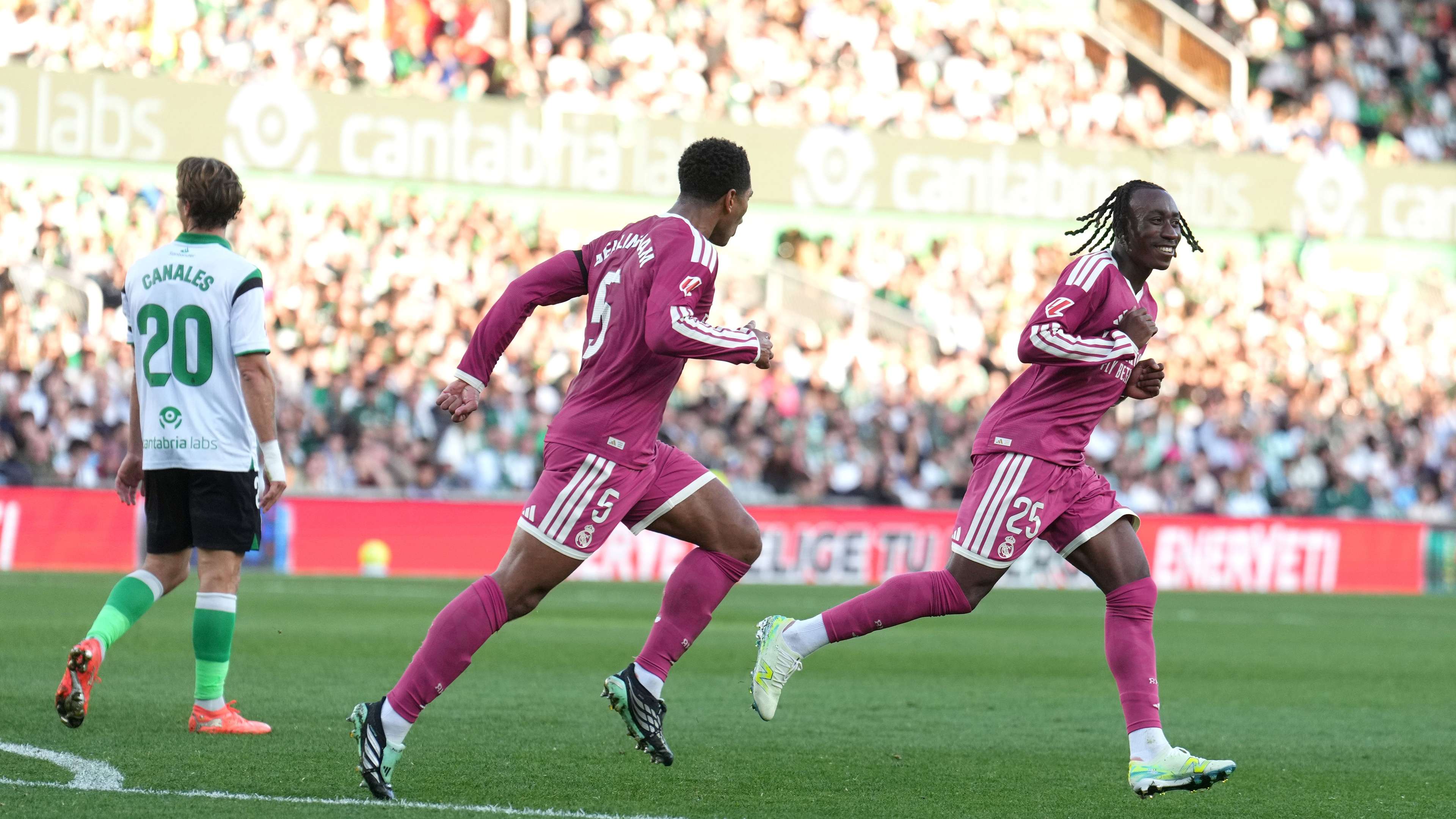
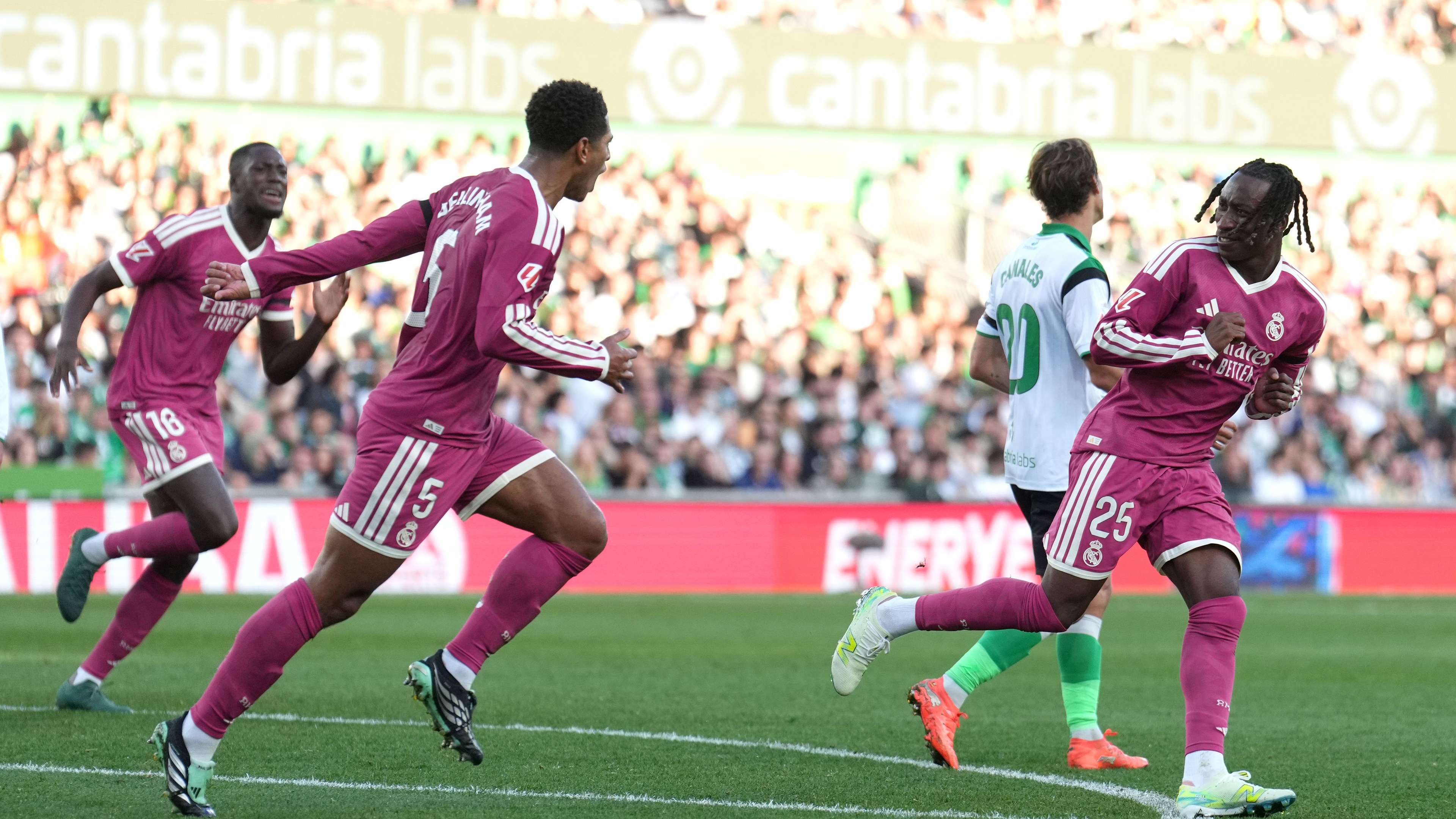
Mbappé converted from the spot to score Real Madrid’s opening goal, but the award was met with controversy. Supporters and observers questioned why the later challenge was considered a foul when Madrid’s players had received no penalty after an incident involving Yan Diomande in the fifth minute. The contrasting calls quickly placed the referee’s interpretation of both situations under scrutiny.
Madrid’s Early Appeal Is Turned Down
The first notable penalty claim came just five minutes into the match. Diomande carried the ball forward down the left and entered the penalty area before delivering a cross. As he made the delivery, Racing defender Álvaro Mantilla moved across to challenge him. Real Madrid players immediately appealed, believing Mantilla had committed a foul, but referee José Luis Munuera Montero waved play on.
The decision was later reviewed by Archivo VAR, a Spanish account that focuses on refereeing decisions. In a post on X, the outlet asked whether Mantilla should have conceded a penalty for his challenge on Diomande. Its conclusion was that the contact did not meet the threshold for an offence.
According to Archivo VAR, Mantilla made light contact with Diomande after the cross had already been delivered. The analysis described the contact as marginal and said the defender’s action was not reckless. On that basis, it argued that the referee was right not to award a penalty.
Why the Timing of Contact Matters
The explanation highlights a detail that can be crucial in penalty-area decisions: when the contact occurs and whether it affects the attacking player’s ability to play the ball. A challenge made after a cross has left the attacker’s foot may still be a foul if it is careless or forceful, but not every touch automatically warrants a penalty.
In Diomande’s case, Archivo VAR’s assessment was that Mantilla’s contact was too slight to qualify as an offence. That distinction helps explain why Madrid’s appeal was dismissed, although it did little to prevent debate once a later penalty was awarded at the other end of the decision-making process.
Mbappé’s Spot Kick Fuels the Debate
Later in the match, Mbappé won a penalty that proved far more contentious. The France international stepped up and converted, giving Real Madrid their first goal of the evening. While the finish added another important moment to his growing role in Madrid’s attack, the circumstances surrounding the award became the main subject of discussion.
Penalty decisions are often judged on the specifics of each challenge rather than on whether an earlier appeal was accepted. Even so, fans naturally compare incidents from the same match, especially when one appeal is rejected and another results in a goal. For Madrid supporters, the contrast between the Diomande incident and Mbappé’s penalty was difficult to ignore.
The disagreement also reflects the challenge facing referees: they must decide in real time whether contact is sufficient to bring an opponent down, whether it is careless or reckless, and whether it has materially affected the play. Video review and expert analysis can add context, but marginal calls remain open to interpretation.
A Refereeing Story With Broader Implications
For neutral viewers, the match offered a familiar football debate: how much contact is enough to justify a penalty? The answer depends on the nature of the challenge, its timing and its impact, not simply on whether players make contact. That is why two incidents that appear similar at first glance can receive different rulings.
Archivo VAR’s comments addressed the early Diomande appeal, not the later decision involving Mbappé. Its explanation therefore should not be treated as a verdict on the spot kick. Still, the analysis provides a useful framework for understanding the first incident and the reasoning behind Munuera Montero’s decision to continue play.
The episode is also a reminder that a match’s narrative can shift quickly. Madrid’s early frustration gave way to a crucial scoring opportunity, while the penalty itself generated a new wave of questions. In high-profile La Liga fixtures, such moments can shape the conversation long after the final whistle, particularly when they involve a star forward and a goal that changes the score.
What Comes Next for Real Madrid?
Real Madrid’s attention will soon turn to a demanding run of fixtures. The club is scheduled to face AEK in the Champions League on November 5, 2026, before returning to La Liga to meet Málaga on November 7. Those matches will test the squad’s ability to move beyond the controversy and maintain momentum across domestic and European competition.
Mbappé’s goal is likely to remain a headline, but Madrid’s broader performance will matter just as much in the weeks ahead. The team will want its attacking stars to keep delivering, while also avoiding situations in which contentious decisions become a distraction from results. For Racing Santander, the disputed calls will likewise be part of the post-match discussion as the side assesses its defensive work against one of Spain’s leading clubs.
Prediction: The controversy is unlikely to settle the wider debate over penalty standards, but it will add extra attention to Madrid’s next fixtures. If Mbappé continues to convert key chances and the team builds on the opening goal, Real Madrid will remain a formidable opponent in both La Liga and the Champions League. Ultimately, the clearest measure of the match will be the result and how effectively each side responds in its next game.