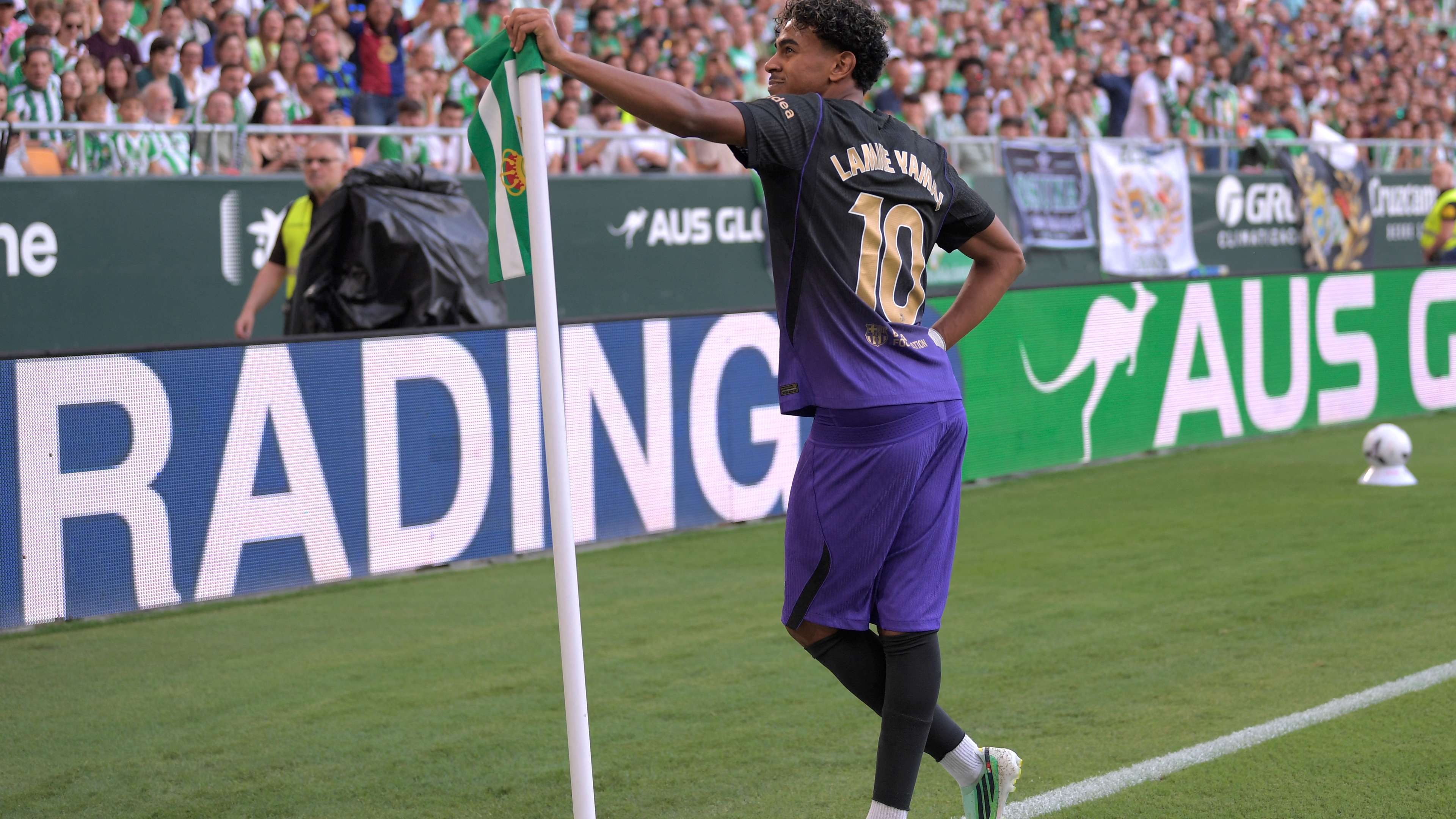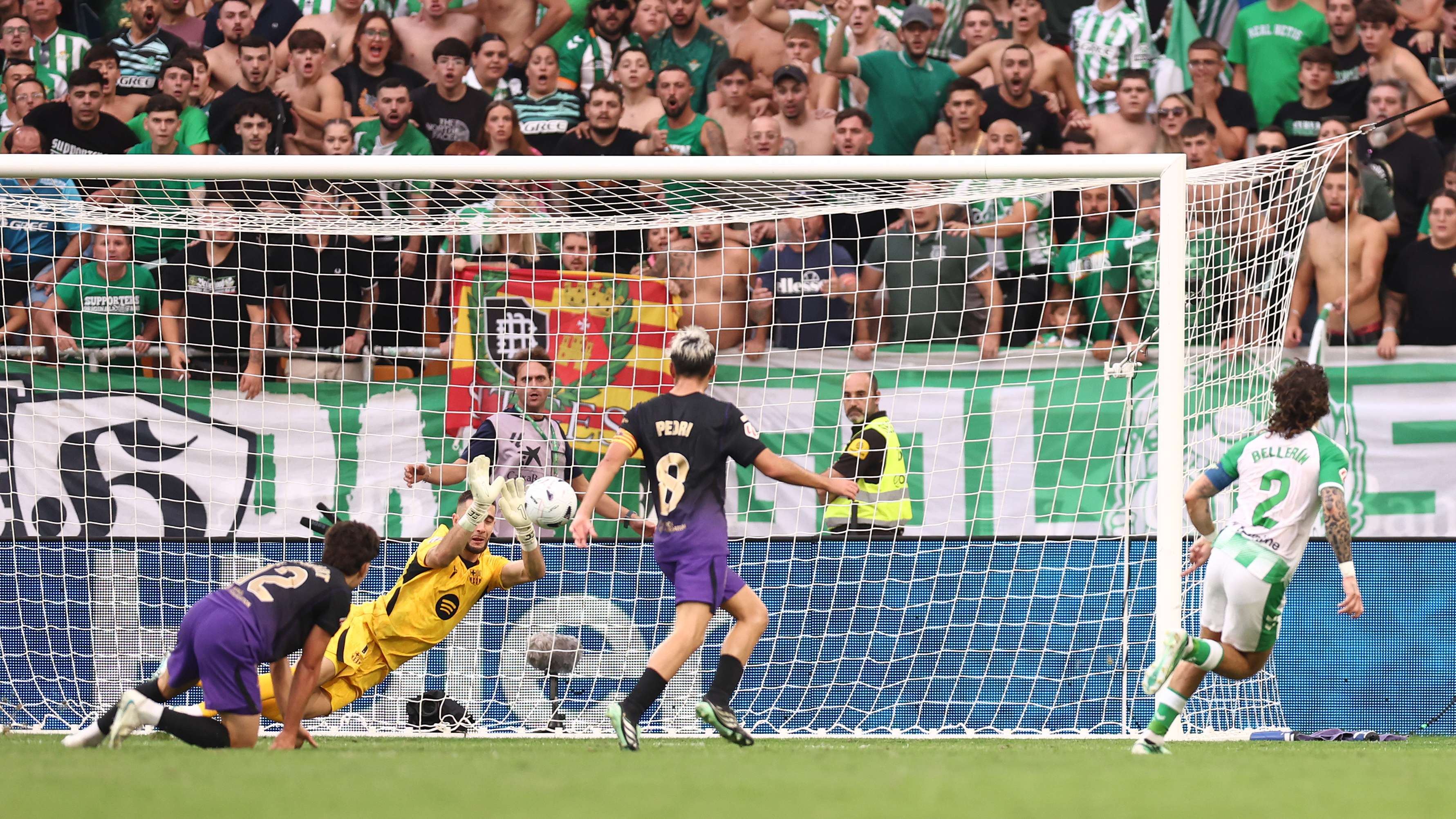

Héctor Bellerín says Betis cannot afford costly red card after Barcelona defeat
Real Betis defender Héctor Bellerín has urged his team to take responsibility for its mistakes after a 5-2 defeat to Barcelona at La Cartuja, while also questioning several refereeing decisions that shaped the contest. Above all, he said, Facundo Bernal’s sending-off was an error Betis must learn from rather than allow to disrupt the rest of its season.
The result was emphatic, but Bellerín felt the match had been more competitive than the final score suggested during the first half and the opening stages after the break. Betis, he argued, had managed periods of possession and limited Barcelona’s opportunities before the dismissal changed the balance of the game.
That assessment offers an important point of context for supporters considering the result, as well as for anyone making a football prediction about Betis’s next performances. A heavy defeat can expose weaknesses, but the circumstances of the match matter: playing against Barcelona is a demanding challenge even with a full team, and Betis had to cope with the added difficulty of being reduced to ten men.
Bellerín: the dismissal made a difficult task harder
Speaking to Movistar LaLiga, Bellerín said the chances had been relatively even for long stretches, despite the quality of the opposition. He acknowledged that defending against a team of Barcelona’s calibre is difficult, but felt the Catalan side had not created as many opportunities as might have been expected before the key incident.
“Given how difficult it is to defend against a team the size of Barcelona, the chances were fairly even,” Bellerín said. He also pointed to Betis’s spells on the ball and argued that Barcelona had not been generating a high volume of chances at that stage of the match.
Bernal’s red card, however, changed the tactical picture. With one fewer player, Betis had less room to press, fewer options to support attacks and a greater need to protect the spaces Barcelona could exploit. Against a side with Barcelona’s pace and technical quality, that numerical disadvantage can quickly become decisive.
“The sending-off is a mistake we cannot afford,” Bellerín said. He added that he had spoken with Bernal, who understood his responsibility and had apologised to his teammates. Bellerín praised the team’s effort after the dismissal, saying Betis continued to compete until the final minutes despite the difficult circumstances.
His comments balanced criticism with accountability. Rather than presenting the defeat solely as the consequence of refereeing, Bellerín made clear that Betis must examine its own decisions. That distinction matters for a team seeking consistency: frustration with an official may be understandable, but improving discipline and decision-making is within the players’ control.
Disallowed Lo Celso goal adds to Betis frustration
Another major talking point was Giovani Lo Celso’s disallowed goal. VAR ruled out the effort after identifying a handball at the beginning of the attacking move, a decision that added to Betis’s sense that several close calls had gone against them.
Bellerín also questioned the consistency of the refereeing, referring to what he described as a push followed by a handball and a dangerous-play incident in which the players involved were not punished in the same way. He stressed that officiating is a difficult job, but said the incidents were open to debate.
“The referee’s job is extremely difficult, but these are very questionable incidents, in which one player is punished and another is rewarded,” he said. He was careful, however, not to use those calls as an excuse for the result. That position reflects the tension often seen after contentious matches: teams want clarity over major decisions, while also recognising that they must respond better on the pitch.
VAR has added another layer to football’s post-match discussions. Video review can help officials identify incidents missed in real time, yet decisions involving handball, contact and the start of an attacking phase can remain difficult for supporters and players to interpret. For Betis, the disallowed goal became a source of frustration, but the red card and the team’s response to it remain central lessons from the night.
What the result means for Betis going forward
Bellerín said Betis had shown that it could compete with top opposition while playing with eleven men. That belief may be valuable, but the challenge now is to turn it into a practical response: maintain discipline, avoid preventable dismissals and recover quickly from setbacks during matches.
The defeat should not automatically define Betis’s season. Barcelona’s attacking depth can punish even small gaps, and playing short-handed makes those gaps harder to cover. At the same time, conceding five goals will prompt questions about defensive organisation, transitions and how effectively Betis can protect its penalty area when opponents sustain pressure.
For future football prediction discussions, the most useful takeaway may be less about the scoreline and more about the conditions behind it. Betis’s ability to compete before the dismissal suggests the team has tools to challenge strong opponents, but its discipline and defensive resilience will be key indicators in upcoming fixtures. The squad will also need to show that one difficult result does not lead to a prolonged loss of confidence.
Bellerín’s message was therefore both critical and constructive. He questioned the decisions that frustrated Betis, but insisted the team must own its mistakes—especially Bernal’s costly dismissal. If Betis can learn from the incident, restore its defensive balance and carry forward the competitive periods Bellerín described, the Barcelona defeat may become a warning rather than a turning point in the wrong direction.