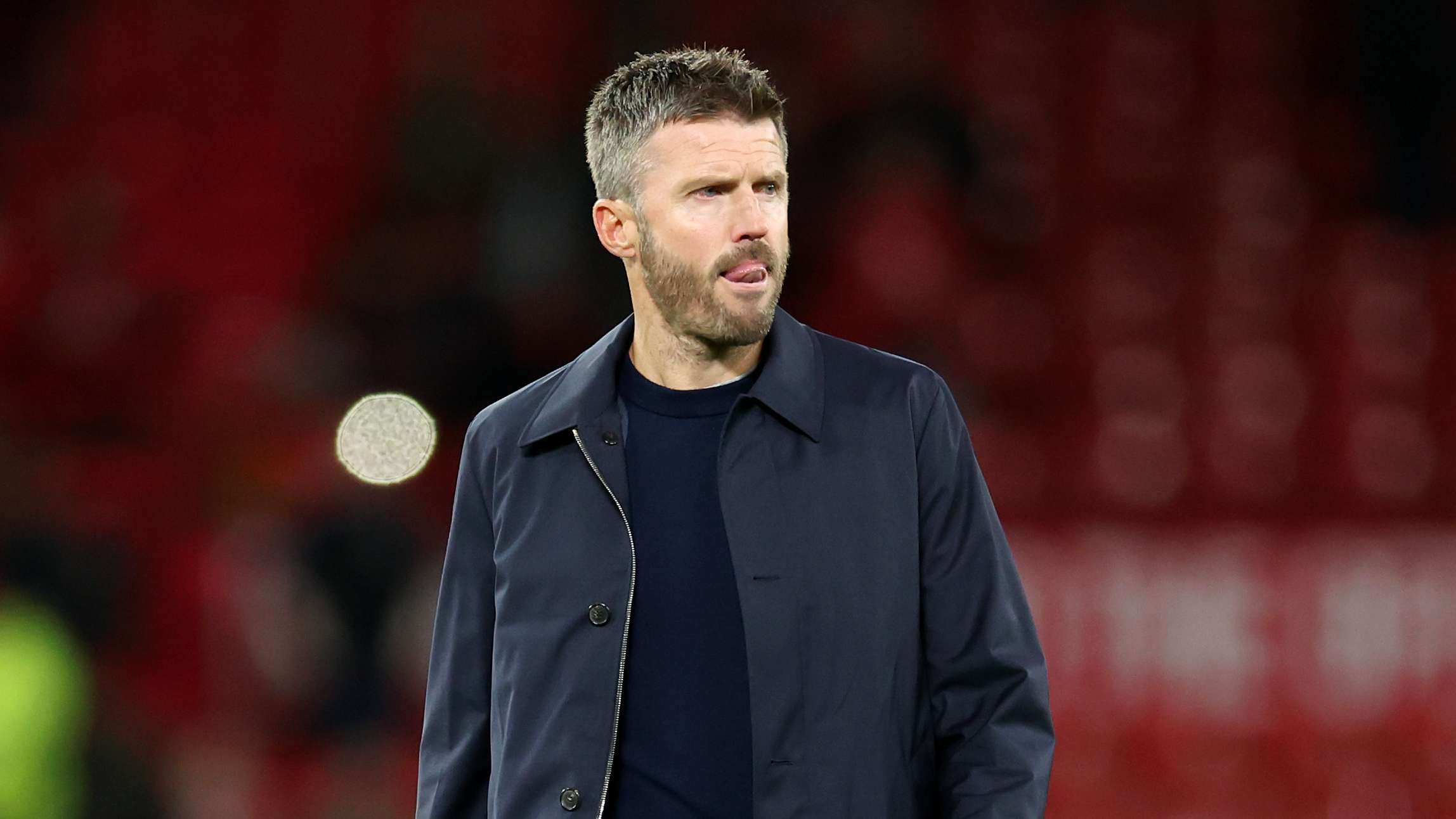
Harry Kane’s Bayern Munich Contract Extension Could Secure the Club’s Future Until 2029
Harry Kane is reportedly close to agreeing a contract extension with Bayern Munich, a development that would give the German champions greater certainty over their long-term plans. The England captain’s current deal runs until 2027, but an agreement through 2029 is understood to be nearing completion. Bayern president Herbert Hainer has indicated that only a few details remain, including arrangements involving image and personal rights.
If Kane signs, Bayern will have secured the futures of the senior players they regard as central to the club’s next phase. It would also mark a significant change for sporting director Max Eberl, whose first seasons at the club were dominated by high-pressure negotiations with players approaching the final year of their contracts.
Eberl’s Contract Strategy Has Delivered Key Extensions
Since becoming Bayern’s sporting director in March 2024, Eberl has faced a series of potentially costly departures. Several important players had contracts approaching expiry, leaving the club at risk of losing valuable assets for no transfer fee. Negotiations involved competing interests, reported interest from rival clubs and the challenge of balancing players’ salary expectations against Bayern’s financial structure.
The club ultimately reached agreements with several of its most influential players. Alphonso Davies and Jamal Musiala signed new contracts in February 2025, followed by Joshua Kimmich in March. Dayot Upamecano also agreed to remain at Bayern in February 2026. These deals strengthened the club’s core, although keeping elite players came at a substantial financial cost.
Not every negotiation ended in an extension. Talks with Leroy Sané failed to produce an agreement, and he subsequently joined Galatasaray on a free transfer. Bayern’s decision not to meet his terms has not been widely viewed in Munich as a major setback, particularly as the club continues to shape its squad around players it sees as essential to its future.
Kane’s situation is now the most immediate contract priority. The 33-year-old striker has become a central figure since arriving in Munich, combining goalscoring consistency with experience and leadership. Extending his stay would give Bayern continuity in attack and remove uncertainty around one of the team’s most prominent players.
Veteran Goalkeepers Could Leave in 2027
Once Kane’s extension is official, Manuel Neuer and Sven Ulreich are expected to be the only Bayern professionals whose contracts expire next summer. Neuer will be 41 during 2027, while Ulreich will be 39. Both goalkeepers could bring their playing careers to a close at that point, although their final decisions will depend on their fitness, ambitions and discussions with the club.
Bayern have already identified Jonas Urbig as a potential long-term successor. The young goalkeeper’s development is being watched closely, and his presence has prompted discussion about whether the transition could begin earlier than expected. Any change would be a major moment for the club: Neuer has been Bayern’s first-choice goalkeeper for years, and replacing his influence would involve more than simply selecting a new player for the starting lineup.
Planning the succession early could help Bayern avoid a rushed decision. A gradual transition would give Urbig time to gain experience while allowing the club to assess whether it needs an additional goalkeeper to bridge the gap between the veteran era and its next generation.
Limited Contract Pressure in the Short Term
Bayern’s contract calendar looks considerably calmer beyond 2027. Hiroki Ito, Min-Jae Kim, Sacha Boey and Serge Gnabry are among the players whose current deals run until 2028. Some of those situations may still require attention, especially if the club decides to reshape its squad before their contracts enter their final year.
Boey and Ito have been discussed as players Bayern could consider moving on, while Kim has occasionally been linked with a possible departure. Gnabry, meanwhile, has taken on more of a rotation role. By the time his contract approaches expiry, he will be nearing 33, and his place in the team could depend on his performances, fitness and the club’s recruitment plans.
For Eberl, the key advantage of securing Kane and maintaining the club’s existing long-term agreements is time. Rather than negotiating under pressure as contracts near their end, Bayern can begin planning renewals well in advance and make decisions based on sporting priorities instead of an approaching deadline.
Michael Olise Is the Next Major Contract Question
Although there is no immediate need to extend Michael Olise’s deal, he is likely to become one of Eberl’s most important long-term projects. The French winger joined Bayern in 2024 and has quickly established himself as one of the team’s most influential attacking players. His performances have also attracted attention from leading European clubs, with Real Madrid among those frequently mentioned in transfer speculation.
Olise is currently contracted until 2029 and, according to reports, does not have a release clause. His salary is said to be around €16 million per year, a comparatively moderate figure given his growing status. An extension would likely require a significant pay rise, potentially placing him closer to Bayern’s highest earners, including Kane and Musiala, who are reportedly on about €25 million annually.
Eberl has made clear that Bayern would like to extend Olise’s contract beyond 2029, but he also acknowledged that the player’s representatives have a role in the process. He said talks had not yet begun. That means the situation is not an immediate concern, but it is one the club will want to monitor as Olise’s profile and value continue to rise.
What Bayern’s Contract Outlook Means for the Club
Several key Bayern players are currently scheduled to reach the end of their contracts in 2029, including Urbig, Jonathan Tah, Konrad Laimer, Josip Stanisic, Kimmich, Aleksandar Pavlovic, Tom Bischof, Luis Diaz, Olise and Lennart Karl. Kane would also fall into that group if his reported extension is completed. Upamecano and Davies are contracted until 2030, while Musiala is also tied down until 2030. Nathaniel Brown and Ismael Saibari have deals running to 2031.
This timeline gives Bayern a strong base, but it also creates a future planning challenge. A cluster of important contracts expiring in the same year could produce another demanding negotiation cycle if the club waits too long. Starting discussions early—particularly with younger players whose roles may grow—would help avoid the uncertainty that has shaped Eberl’s first seasons.
Prediction: Kane’s extension appears close, and Bayern are likely to focus next on preserving their long-term attacking core, with Olise high on the agenda. If the club can secure renewals before the 2029 deadline approaches, it will be better placed to plan recruitment, manage wages and maintain stability. For now, completing Kane’s deal would represent more than a simple contract announcement: it would give Bayern breathing room and a clearer foundation for the seasons ahead.