
Qatar’s Star Player Akram Afif Faces Challenges at Gulf Cup 27: A Deep Dive into the Match and Its Implications
The ongoing Gulf Cup 27 has once again highlighted the unpredictable nature of football, showcasing moments of brilliance, tension, and controversy. Among the notable stories is the apparent struggle of Qatar’s key player, Akram Afif, whose dissatisfaction and the tactical decisions by head coach Julen Lopetegui have sparked widespread discussion among fans, analysts, and football enthusiasts worldwide.
High-Stakes Semi-Final Clash: Qatar vs. Saudi Arabia at Al-Inma Stadium
On a tense Saturday evening at the Al-Inma Stadium in Jeddah, the semi-final of the Gulf Cup unfolded with intense competition and strategic maneuvering. Saudi Arabia, a dominant force in the Gulf region, faced off against Qatar, led by the newly appointed Spaniard Julen Lopetegui. The atmosphere was electric, with both teams eager to secure a spot in the tournament’s final and etch their names in regional football history.
The match remained tightly contested, with neither side able to break the deadlock in regulation time. The defensive resilience of both teams, combined with strategic fouls and tactical formations, kept fans on the edge of their seats. As the game approached the 69th minute, the tension intensified, especially within the Qatar camp.
Controversial Substitution Sparks Tension and Questionable Tactics
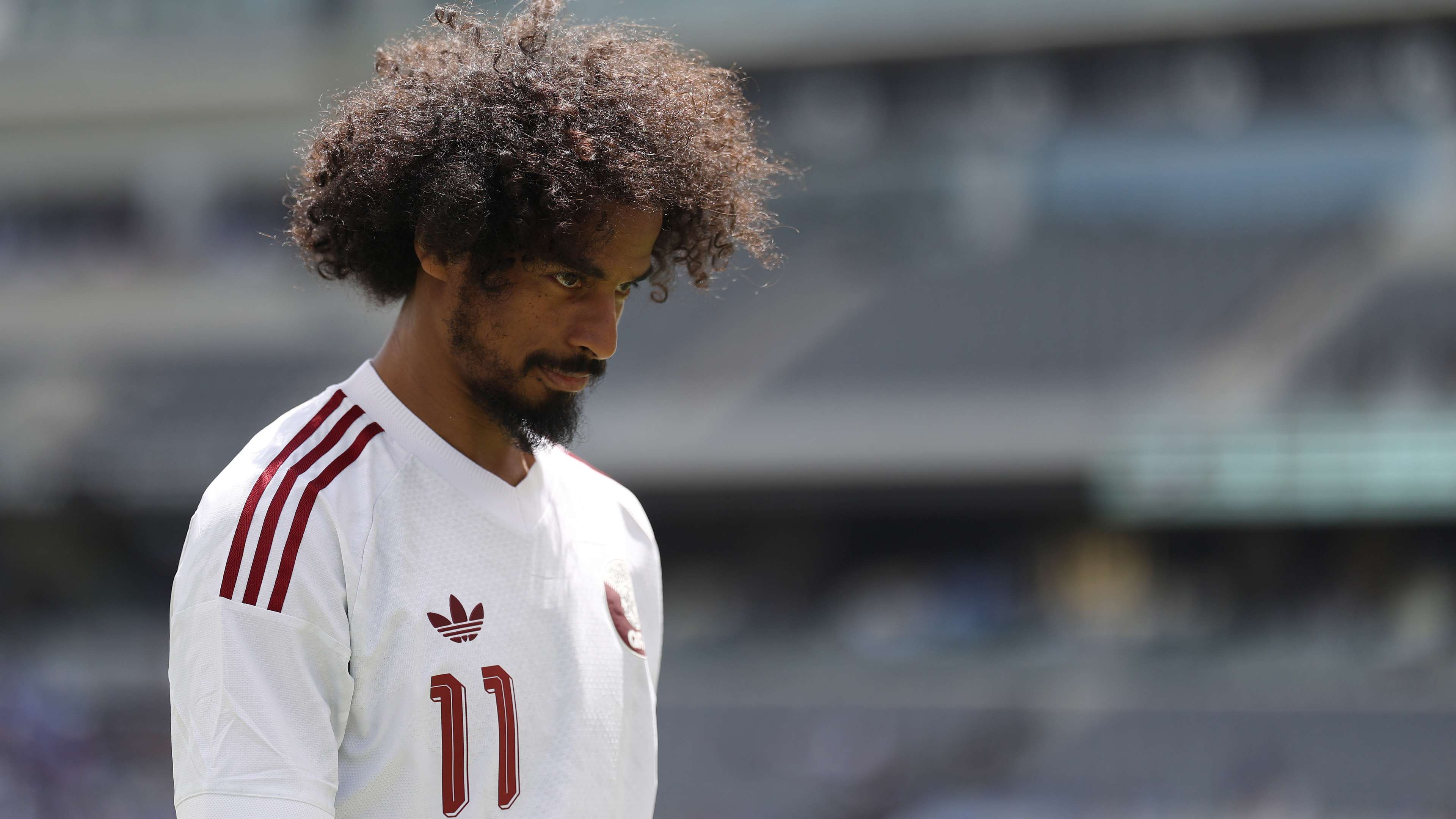
At the 69th minute, Lopetegui made a surprising decision: he substituted Akram Afif, Qatar’s most influential player and a key figure in their offensive lineup. This decision was met with immediate reactions from fans and commentators, but the scene was far more dramatic behind the scenes. Afif, visibly frustrated, stormed off the pitch with evident anger, repeatedly questioning the decision with a loud and desperate “Why?” as he headed down the tunnel.
This incident marked the third time Lopetegui had withdrawn Afif during the tournament, following similar substitutions in the group-stage matches against Bahrain and Yemen. Interestingly, Afif was also absent in Qatar’s third match against the United Arab Emirates, raising questions about his current form, fitness, and the tactical plans of the coaching staff.
Performance Analysis: The Struggles of Qatar’s Key Player at Gulf Cup 27
At 29 years old, Akram Afif has long been regarded as Qatar’s attacking spearhead, with exceptional dribbling skills, vision, and goal-scoring ability. However, during this edition of the Gulf Cup, his performance has been noticeably underwhelming. Despite his reputation, Afif has managed only a solitary assist in the tournament—a stark contrast to his usual influence on the field.
Analysts suggest that the tactical approach adopted by Lopetegui might be limiting Afif’s effectiveness. The coach’s frequent substitutions and positional adjustments could be disrupting Afif’s rhythm and confidence. Additionally, the physical and mental pressures of international tournaments often take a toll on players, especially when facing highly organized defenses or when team form is inconsistent.
Understanding Lopetegui’s Tactical Approach and Its Impact
Julen Lopetegui, famed for his tactical acumen and experience with top European clubs, has brought a new philosophy to Qatar’s national team. However, his decisions during Gulf Cup 27 suggest a cautious and experimental approach, sometimes at the expense of player morale and team cohesion.
The repeated substitutions of Afif have raised eyebrows among football fans and pundits, prompting debate about whether these are strategic moves or signs of internal discord. Some argue that Lopetegui aims to maintain tactical flexibility, but others believe that such frequent changes undermine the confidence of key players like Afif, potentially affecting their overall performance and the team’s cohesion.
Implications for Qatar’s Football Future and Predictions
As Qatar prepares for upcoming international fixtures, the current situation sparks important questions for football analysts and enthusiasts interested in predictions and team development. The Gulf Cup serves as a crucial benchmark for Qatar’s national team, especially ahead of the 2026 World Cup, which they are hosting. The team’s current form, tactical stability, and player confidence will significantly influence their prospects on the global stage.
Looking ahead, football prediction models and expert analyses suggest that Qatar must find a way to harness Afif’s talent more effectively. His experience and skill set are invaluable assets, and unlocking his potential could be pivotal for Qatar’s success in future tournaments. Moreover, the coaching staff’s ability to foster team harmony and maintain player morale will be critical in shaping the team’s trajectory.
Additional Context: The Broader Regional Football Scene
The Gulf Cup has historically been a showcase of regional pride and footballing prowess, with teams constantly evolving to stay competitive. Saudi Arabia, for instance, continues to dominate the Gulf region with their disciplined approach, while Qatar invests heavily in nurturing young talent and refining their tactical systems. The current tournament highlights the ongoing rivalry and the intense competition among Gulf nations to establish regional supremacy.
Furthermore, the spotlight on Qatar’s national team comes at a time of heightened global interest, given their upcoming hosting of the 2026 FIFA World Cup. Success in regional tournaments like the Gulf Cup not only boosts team confidence but also provides valuable insights into how Qatar can optimize their squad and strategy for the world stage.
Conclusion: A Pivotal Moment for Qatar’s Football Journey
The incident involving Akram Afif at Gulf Cup 27 underscores the complex dynamics within Qatar’s national team, balancing tactical experimentation, player management, and the pursuit of regional dominance. While Lopetegui’s decisions have sparked controversy, they also offer an opportunity for reflection and strategic adjustment ahead of future competitions.
Football prediction experts will be closely watching Qatar’s development, assessing whether the team can overcome internal challenges and emerge stronger. For fans and stakeholders alike, the current turbulence serves as a reminder that football is as much about resilience and teamwork as it is about individual brilliance. As Qatar continues its journey towards hosting the 2026 World Cup, every match, every decision, and every player’s performance will be scrutinized, with hopes that they can translate their potential into tangible success on the global stage.
Ultimately, the Gulf Cup 27 has provided valuable lessons for Qatar’s football ambitions—lessons about the importance of unity, strategic clarity, and nurturing talent. As the tournament progresses, the football community remains eager to see how these elements come together to shape Qatar’s future in international football.