
Drug Dealers Use Football Stars to Conceal Illegal Shipments
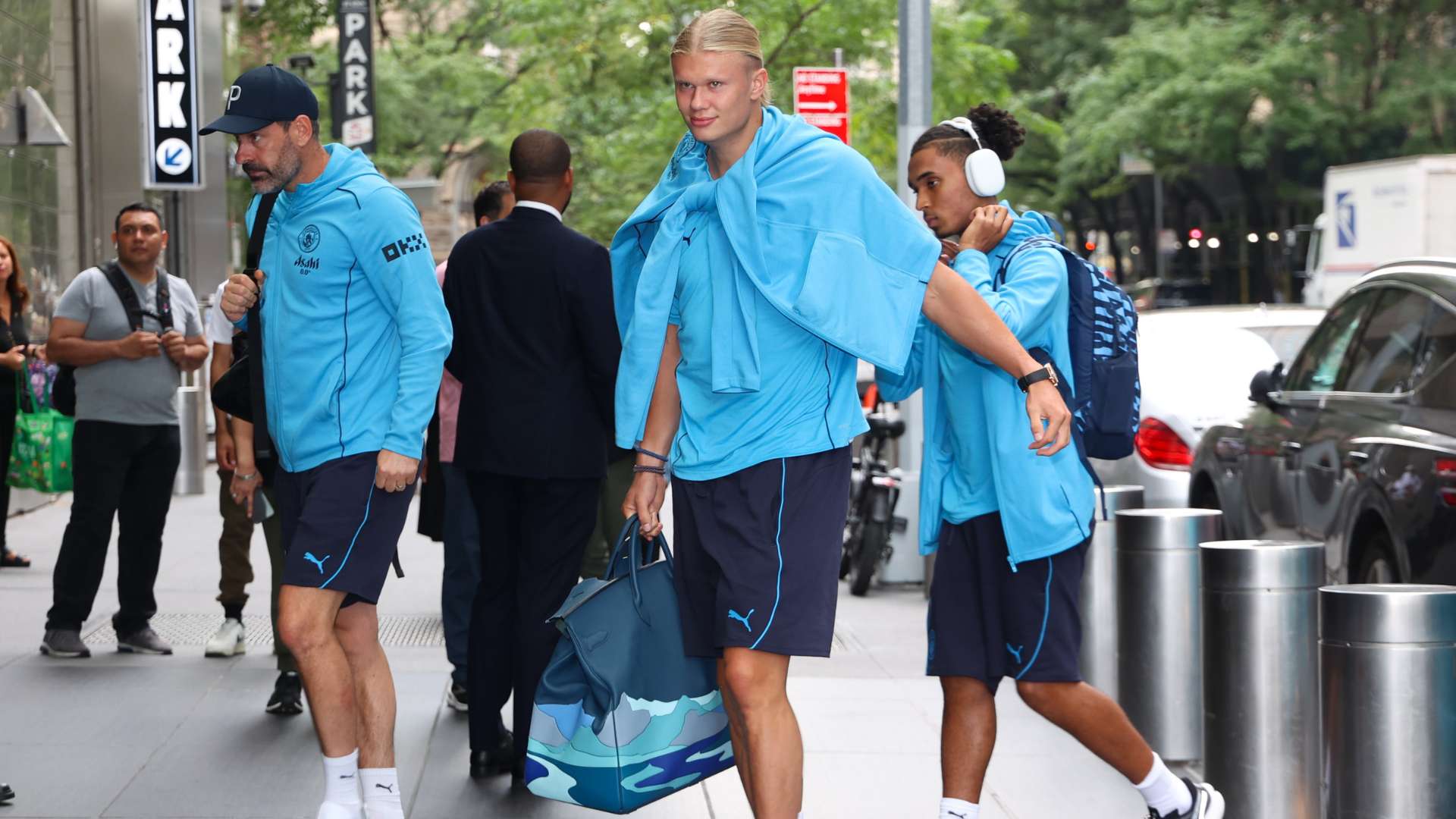
Even drug dealers have found a new way to catch the attention of authorities – by using images of popular football stars to conceal their illegal shipments. In a recent incident in Ecuador, anti-narcotics police seized a massive 370-kilogram shipment of cocaine wrapped in packaging featuring the image of Manchester City striker Erling Haaland.
The Discovery
The drugs were cleverly hidden inside a fake double bottom fitted beneath a lorry, which was stopped by officers on the Pan-American Highway during a routine security check. Upon inspection, the search teams discovered 370 tightly sealed packages, each adorned with a sticker of Haaland’s image.
The driver of the vehicle was promptly arrested by the authorities. According to reports from the American newspaper New York Post, the driver was unable to provide any explanation for why the Manchester City star’s image was used on the shipment.
Smuggling Tactics
Initial investigations suggest that the use of football stars’ images on illegal drug shipments is a common tactic employed by smuggling gangs. These images act as identification marks, helping to distinguish between different smuggling networks or the intended recipients of the illicit goods. This method is well-known in the world of smuggling and has been used in various operations across South America and Europe.
It appears that Haaland is not the only footballer whose face has been unwittingly associated with drug smuggling. In previous operations, shipments bearing the likeness of Argentine star Lionel Messi have also been seized in different regions.
Global Implications
While the use of football stars’ images on illegal shipments may seem bizarre, it underscores the global reach and influence of these celebrities. Football is a sport that transcends borders and cultures, with players like Haaland and Messi enjoying widespread recognition and popularity around the world.
Authorities are now working to trace the origins of the seized drug shipment and identify the smuggling network responsible. The use of high-profile figures like football stars in criminal activities highlights the challenges faced by law enforcement agencies in combating organized crime networks.
Conclusion
As the investigation continues, the incident serves as a stark reminder of the creative and often deceptive tactics used by criminal organizations to evade detection. The involvement of football stars in such illicit activities not only tarnishes their image but also raises concerns about the extent of criminal activities in today’s globalized world.
Law enforcement agencies are vigilant in their efforts to crack down on drug trafficking and other illegal activities, but the use of well-known personalities in such operations presents a unique challenge. The case of the City star Erling Haaland’s image being used to conceal a massive cocaine shipment serves as a cautionary tale of the lengths to which criminals will go to carry out their illegal activities.
Impact on Football Stars
With drug dealers utilizing football stars’ images to conceal illegal shipments, there is a potential negative impact on the reputation of these athletes. Being unwittingly associated with criminal activities can tarnish the image of the players and their brand. This could lead to unwarranted scrutiny and damage to their careers, as they may be wrongly perceived as being involved in illicit activities.
Football stars like Erling Haaland and Lionel Messi, who have worked hard to achieve success in their careers, could face undesired repercussions due to the unauthorized use of their likeness in criminal operations. It is essential for authorities to swiftly investigate and uncover the individuals behind these smuggling attempts to protect the integrity of these athletes.
Technological Advances in Detection
As criminal organizations continue to evolve their tactics to evade law enforcement, technological advancements play a crucial role in detecting and intercepting illegal shipments. With the use of sophisticated scanning equipment, authorities can identify hidden compartments in vehicles more effectively, thus uncovering concealed contraband such as drugs.
Furthermore, advancements in artificial intelligence and machine learning can aid in analyzing patterns and data to predict potential smuggling routes and methods. By leveraging technology, law enforcement agencies can stay one step ahead of criminal syndicates and prevent illegal substances from reaching their intended destinations.
Collaboration and Information Sharing
Given the global nature of organized crime, collaboration between international law enforcement agencies is vital in combating drug trafficking and other illicit activities. By sharing intelligence, resources, and expertise, countries can work together to dismantle smuggling networks and disrupt the flow of illegal substances.
Moreover, cooperation with sports organizations and football authorities can help raise awareness about the misuse of players’ images in criminal endeavors. By educating athletes and fans about the risks associated with such activities, preventive measures can be implemented to safeguard the reputation of football stars and prevent them from being exploited by criminal elements.
Public Awareness and Vigilance
Increasing public awareness about the tactics used by criminal organizations is essential in preventing the success of their illicit operations. By educating the public about the various ways in which illegal substances are smuggled, individuals can become more vigilant and report suspicious activities to the authorities.
Community engagement and outreach programs can play a significant role in empowering citizens to play an active role in combating drug trafficking. By fostering a sense of collective responsibility and encouraging citizens to report any unusual behavior or suspicious packages, communities can contribute to the efforts of law enforcement in keeping illegal substances off the streets.
Continued Efforts in Combating Organized Crime
Despite the challenges posed by innovative smuggling tactics, law enforcement agencies remain committed to upholding the rule of law and ensuring the safety and security of communities. By staying proactive, adaptable, and collaborative, authorities can thwart criminal activities and disrupt the operations of organized crime groups.
Through a combination of advanced technology, international cooperation, public awareness, and ongoing vigilance, efforts to combat drug trafficking and related crimes will continue to evolve and adapt to the changing landscape of criminal activities. The case of football stars’ images being used in illegal shipments serves as a stark reminder of the complex and interconnected nature of organized crime, highlighting the importance of strategic approaches and collective action in addressing such challenges.