
Explore the Legendary Old Trafford: England’s Second Largest Football Stadium
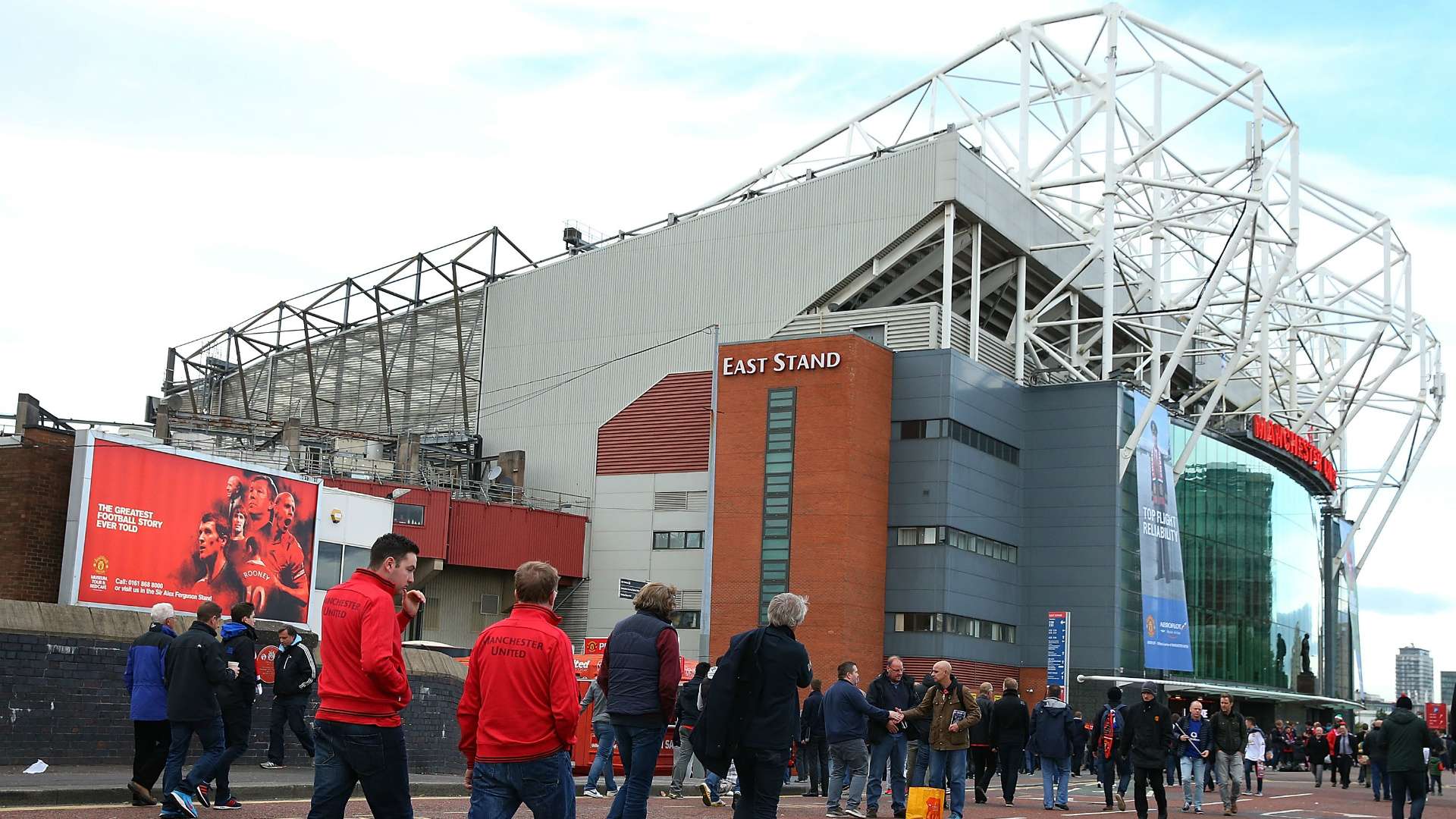
Take to the skies with GOAL and gain a fresh perspective on the iconic Old Trafford, one of the most storied football stadiums in England. Steeped in history and tradition, Old Trafford has witnessed countless unforgettable nights and has been the home ground of some of the greatest talents in English football. Whether you’re a passionate fan, a football prediction enthusiast, or a curious traveler, this comprehensive guide will provide everything you need to know about this legendary venue, including its history, capacity, upcoming fixtures, and visitor experiences.
Location and How to Find Old Trafford
Situated in the western part of Manchester, approximately two miles south-west of the bustling city centre, Old Trafford is easily accessible for visitors from across the UK and beyond. The stadium’s address is Sir Matt Busby Way, Old Trafford, Manchester, M16 0RA. For those navigating via Google Maps or GPS, detailed directions are readily available to ensure smooth travel plans.
Getting There by Car
If you’re driving, exit the M60 at junctions 7 or 8, and head onto Chester Road (A56) northbound. After roughly two miles, turn left onto Sir Matt Busby Way, which leads directly to the stadium. On matchdays, be prepared for restricted car access, as many roads nearby are closed to facilitate pedestrian movement and fan safety. Parking options are available nearby, but it’s advisable to plan ahead to avoid congestion.
Public Transportation Options
For a hassle-free journey, public transport is highly recommended. The stadium is conveniently served by the Manchester Metrolink tram network, with Old Trafford Station just a 15-minute train ride from Manchester Piccadilly Station. On matchdays, special train services operate from various city centre stations, making it easier for fans to attend fixtures without the stress of driving. From Old Trafford Station, the stadium is just a five-minute walk, offering a seamless travel experience for visitors.
Historical Background: From Construction to Modern Day
Old Trafford officially opened its doors on 19 February 1910, a year after construction commenced. The inaugural match was a thrilling encounter between Manchester United and Liverpool, ending in a 4-3 victory for Liverpool. Initially, the club played at a smaller venue on Bank Street with a capacity of approximately 50,000, but ambitions for a larger stadium soon emerged.
Under the visionary leadership of then-president Sir Robert McAlpine, plans were set in motion to develop a new, more expansive stadium near Trafford Park industrial estate. Architect Archibald Leitch, renowned for his work on many historic British stadiums, designed the original structure. Over the decades, Old Trafford evolved through numerous renovations, reflecting both the club’s rising success and changing safety regulations.
Major Renovations and Historical Milestones
The stadium saw its first significant upgrade in 1936 when an 80-yard roof was added to the United Road terrace (now known as the Sir Alex Ferguson Stand), followed by further enhancements in 1938. During World War II, the stadium was requisitioned for military use, but it suffered extensive damage from German bombing raids in the early 1940s. During this period, Manchester United temporarily relocated their home matches to the Etihad Stadium, then known as Maine Road, incurring substantial costs but maintaining their fixture schedule.
Reconstruction efforts commenced shortly after the war, and by August 1949, Old Trafford was restored to host a match against Bolton Wanderers, which Manchester United won 3-0. The stadium’s capacity had decreased due to safety regulations and structural changes, but it continued to be a fortress for United fans.
Hosting the 1966 World Cup and Subsequent Developments
One of the stadium’s most notable moments came in 1966 when Old Trafford was selected as a venue for the FIFA World Cup held in England. It hosted three group stage matches, prompting necessary improvements, such as removing structural pillars that obstructed views, to meet international standards. These enhancements set the stage for future upgrades and increased capacity.
Expansion and Modernization in the Late 20th Century
Throughout the 1970s and 1980s, Old Trafford underwent a series of updates, including better seating, improved cover, and enhanced facilities to accommodate the growing crowds and rising popularity of Manchester United. The club also increased security measures amid concerns over hooliganism, which was prevalent during that era.
The Taylor Report and the Move to All-Seater Stadiums
The tragic Hillsborough disaster in 1989 prompted sweeping safety reforms across English football, leading to the Taylor Report’s recommendation that all major stadiums convert to fully seated venues. Old Trafford responded by demolishing the 30-year-old North Stand in 1995 and rebuilding it to meet these new standards. This period marked a turning point in stadium safety and fan experience, culminating in a more modern and comfortable environment.
Recent Developments and Future Plans
The early 2000s saw further expansions, including the addition of second tiers to the north-west and north-east stands in 2006, bringing the stadium’s capacity to its current figure of approximately 74,140 seats. Despite these upgrades, discussions about the stadium’s future have been ongoing since early 2022. Proposals have ranged from extensive redevelopment projects to the possibility of constructing a brand-new stadium on the same site, aiming to enhance fan experience, increase capacity, and modernize facilities further.
What Is the Current Capacity of Old Trafford?
Today, Old Trafford boasts a seating capacity of 74,140, making it the second-largest football stadium in England after Wembley. Historically, the stadium’s capacity peaked at nearly 80,000, with a record attendance of 76,962 in 1939. Over the years, safety regulations and structural modifications have reduced the maximum capacity, but recent expansions have restored Old Trafford’s stature as a premier football venue.
Teams and Major Events Hosted at Old Trafford
Manchester United is the sole resident club of Old Trafford, using it as their home ground for all competitive fixtures. However, the stadium has also hosted notable international matches, including England’s World Cup qualifying encounter against Greece, famously ending 2-2 with David Beckham scoring a last-minute free-kick to secure qualification for the 2002 World Cup.
The stadium is not limited to football alone; it has become a versatile venue for rugby union and rugby league matches. Since 1987, Old Trafford has hosted every Rugby League Premiership final and the Super League Grand Final, cementing its status as a key sporting hub. Additionally, the stadium has witnessed historic boxing bouts and concerts featuring world-renowned artists such as Bon Jovi, Genesis, Bruce Springsteen, and Rod Stewart, making it a cultural landmark as well.
Guided Tours and Visitor Experiences at Old Trafford
For fans and tourists eager to immerse themselves in football history, Old Trafford offers guided stadium tours. These excursions include exclusive access to the players’ tunnel, dugouts, and the Manchester United Museum, providing a behind-the-scenes glimpse of the club’s rich heritage. Tours operate from 9:30 AM to 4:00 PM on Sundays through Thursdays, extending to 5:00 PM on Fridays and Saturdays, though they are not available on match days.
Tickets for tours are priced at £25 for adults, with reduced rates for juniors and educational groups. Booking can be conveniently made through the official Manchester United website, ensuring a memorable experience for football enthusiasts and visitors alike.
Seating Arrangement and Viewing Experience
The stadium’s seating plan offers an excellent view of the pitch from every angle, with the most sought-after seats located behind the goals and along the touchlines. Fans can consult the Seat Pick website for detailed seating maps and to select their preferred vantage points. Whether attending a Premier League match or a cup fixture, the atmosphere at Old Trafford guarantees an electrifying experience that only football can deliver.
Prediction Insights and Upcoming Fixtures
For those interested in football prediction and betting, analyzing Old Trafford’s fixture list can offer valuable insights. Manchester United’s upcoming matches often attract substantial betting interest, especially against top-tier opponents like Tottenham Hotspur, Arsenal, or Liverpool. Recent form, home advantage, and squad fitness are key factors influencing predictions.
For example, the upcoming Premier League clash between Manchester United and Tottenham Hotspur scheduled for October 11, 2026, at 6:30 AM, promises to be a thrilling encounter. Historically, Old Trafford tends to favor the home team, but predictions must account for current squad form, injury reports, and tactical setups. Fans and pundits often analyze these aspects to make informed predictions about match outcomes and betting odds.
Conclusion: Why Old Trafford Remains a Football Icon
Old Trafford isn’t just a football stadium; it’s a symbol of English football’s glorious history and enduring passion. From its early days in 1910 to its modern-day renovations, the ground has evolved into a state-of-the-art venue that continues to host some of the most exciting matches in world football. Whether you’re planning a visit, looking to catch a live game, or simply want to explore its storied past, Old Trafford offers an unforgettable experience for every football fan.
As the club and stadium look toward the future, with potential redevelopment plans on the horizon, Old Trafford’s legacy as a footballing landmark remains firmly intact. For prediction enthusiasts, attending a match here is not just about supporting Manchester United but also about witnessing history in the making at one of football’s most iconic grounds.