
Spanish Football Under Scrutiny: The Rise of Offensive Chants Following the World Cup Triumph
The excitement and pride surrounding Spain’s recent success in the FIFA World Cup have been palpable across the nation. However, recent developments suggest that this triumph may have inadvertently ignited a wave of discord within the country’s football stadiums. Reports of offensive chants targeting political figures, the national team, and regional identities have surfaced during matches in La Liga, prompting serious concern from authorities, fans, and sports analysts alike.
The Growing Problem of Inappropriate Chants in Spanish Football
Spanish football, renowned for its passionate fan base and vibrant stadium atmospheres, is now grappling with an unsettling trend: the proliferation of chants that incite violence, promote intolerance, and insult individuals both on and off the pitch. According to La Liga, these chants are not isolated incidents but part of a worrying pattern that demands urgent attention.
La Liga recently published detailed complaint letters, which are systematically sent each week to the Spanish Football Federation’s Competitions Committee and the National Commission Against Violence. These documents serve as crucial tools in documenting and addressing the disturbing language heard during matches, especially those that violate laws against hate speech and incitement to violence.
Specific Incidents and Targeted Insults
During the second round of matches, fans directed their hostility toward political figures and the national identity itself. Notably, chants insulting Pedro Sanchez, Spain’s Prime Minister, were heard at three prominent stadiums:
- Metropolitano Stadium: During Atletico Madrid vs. Villarreal, fans shouted, “Pedro Sanchez… son of a b….”
- Coliseum Alfonso Perez: During Getafe vs. Racing, similar offensive chants targeting the Prime Minister echoed through the stands.
- Los Carmenes Stadium: Granada supporters joined in, voicing their dissent with insulting chants aimed at Sanchez.
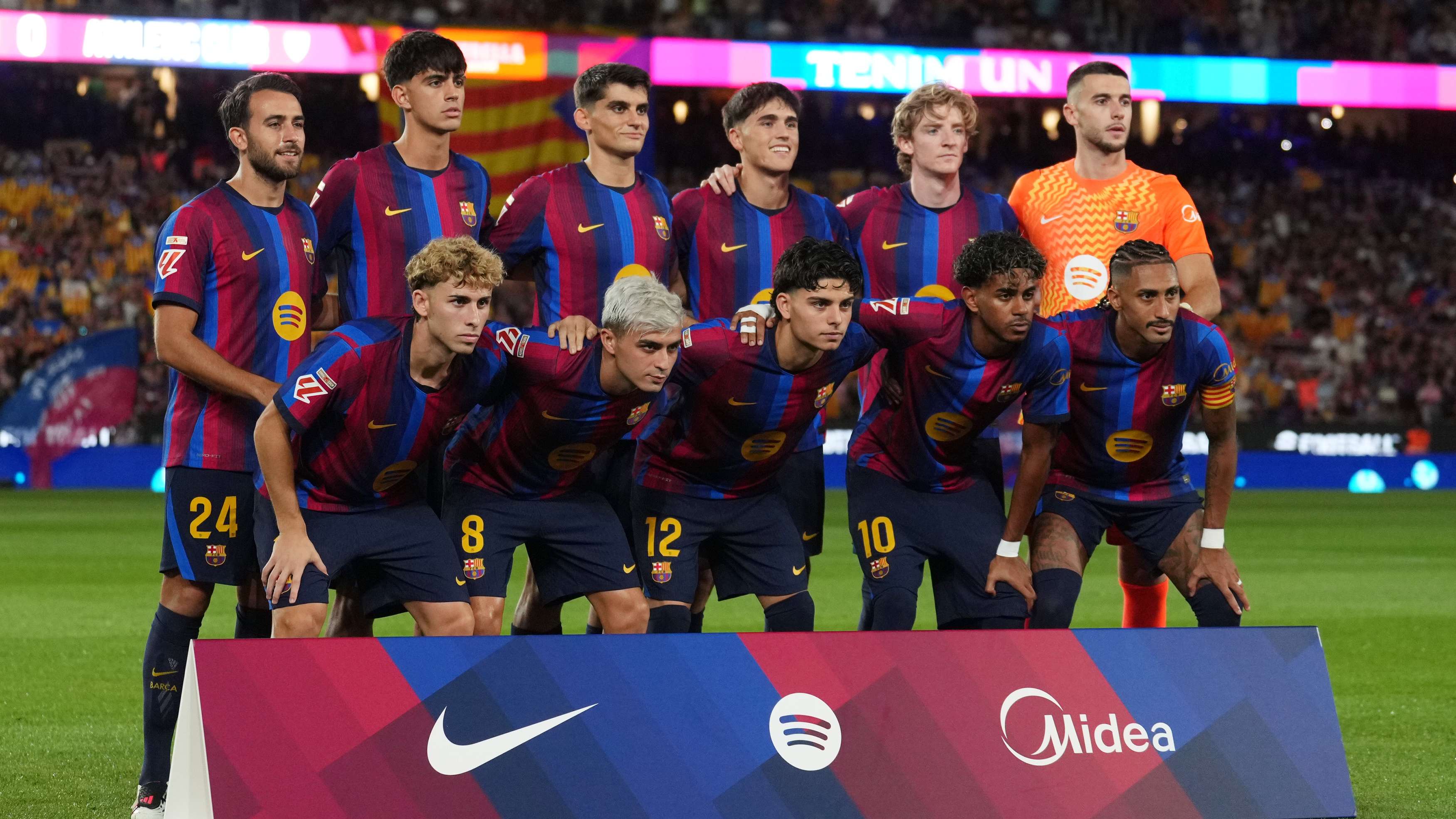
Beyond political insults, fans also directed derogatory chants at the Spanish national team, especially during the early rounds of La Liga matches. At Camp Nou, during Barcelona’s game against Athletic Bilbao, supporters were heard chanting: “Spain the b…., and the national team the b….,” reflecting growing frustration or discontent with the team’s performance or other socio-political sentiments.
Similarly, in Pamplona at El Sadar Stadium, chants targeting the national team and the broader Spanish identity emerged, further emphasizing the tense atmosphere that now pervades certain sections of the stadiums.
Regional Rivalries and Divisive Slogans
Regional rivalries, a longstanding tradition in Spanish football, have also taken a hostile turn. Fans at Atletico Madrid’s Metropolitano Stadium directed chants such as “Barcelona the b…., Catalonia the b….” towards their Catalan counterparts, highlighting the ongoing political and cultural tensions that influence the sport’s atmosphere. These chants serve as a reminder of the complex relationship between football and regional identities, often fueling divisions rather than unity.
Controversial and Offensive Language at RCDE Stadium and Beyond
In addition to political and regional insults, more graphic and provocative chants have been reported, notably at the RCDE Stadium during matches involving Espanyol. Fans there allegedly shouted: “He is a wonderful pilot, a divine landing, come on Taliban, send planes to the Camp Nou.” Such language not only breaches the codes of conduct but also risks escalating tensions, especially in a highly polarized environment.
Further reports from El Sadar Stadium include disturbing language directed at Zaragoza supporters, with chants like: “La Romareda, the b…. pigsty, where LegaLeo and the police gather. What a b…. smell, what filth, with a bomb all of that will fly into the air, an explosion from Gomma 2, and to hell with Aragon.” These utterances verge on encouraging violence and demonstrate a dangerous decline in stadium civility.
Legal and Disciplinary Measures Against Hate Speech
In response to these troubling developments, La Liga has reiterated its commitment to maintaining a respectful and safe environment within Spanish football. The league clarified that such chants are classified among prohibited behaviors under both the Spanish Football Federation’s disciplinary code and national legislation aimed at combating violence, racism, xenophobia, and intolerance in sport.
Penalties for individuals or groups involved in such conduct can include fines, stadium bans, and other disciplinary actions designed to deter offensive behavior. These measures underscore the importance of preserving the integrity of football as a unifying sport that celebrates diversity and sportsmanship.
Implications for the Future of Spanish Football and Prediction Markets
The rise of offensive chants and violent language presents a significant challenge for the future of Spanish football. Beyond the immediate safety concerns, such behavior undermines the sport’s reputation and can influence football prediction markets, where public sentiment and team morale play crucial roles in betting and analytics. As fans’ attitudes shift and stadium atmospheres become more hostile, the predictive landscape may experience increased volatility, affecting betting strategies and sports forecasts.
Moreover, these incidents cast a shadow over Spain’s efforts to promote inclusivity and respect in sports, especially amid ongoing debates about nationalism, regional independence, and political polarization. The football community, including clubs, authorities, and fans, must work collaboratively to foster a culture of respect, emphasizing that the sport should serve as a platform for unity rather than division.
Community and Fan Engagement: Moving Toward Positive Change
Addressing these issues requires more than disciplinary actions. It calls for proactive engagement with fans through awareness campaigns, educational programs, and fostering dialogue around the importance of sportsmanship. Clubs like Atletico Madrid, Barcelona, and others have begun initiatives aimed at promoting respectful behavior, but much work remains to be done.
Sports analysts and commentators also emphasize the importance of leveraging the passion inherent in football while channeling it positively. This includes encouraging fans to participate in community projects, support anti-racism campaigns, and embrace the cultural diversity that makes Spanish football unique.
The Road Ahead: Ensuring Football Remains a Catalyst for Unity
In conclusion, while Spain’s recent football victories have sparked national pride, they have also exposed underlying tensions manifesting through offensive chants and divisive language in stadiums. Combating this trend requires concerted efforts from league officials, clubs, players, and fans alike. The goal is to restore football’s reputation as a sport that promotes respect, unity, and healthy competition.
As the season progresses, all eyes will be on how Spanish football’s authorities and communities address these challenges. The hope is that through stronger enforcement, education, and a collective commitment to sportsmanship, Spanish football can reclaim its position as a beacon of passion and inclusivity — where predictions about team performances and league outcomes continue to thrive in a safe and respectful environment.
Discussion and Community Engagement
For more in-depth discussions on the state of football, prediction strategies, and how to tackle intolerance in sports, visit the Kooora forums. Share your insights, experiences, and suggestions on fostering a more respectful football culture in Spain and beyond.