
Norway vs Portugal: Martin Odegaard Confronts Bernardo Silva Over Controversial Challenge in International Football Clash
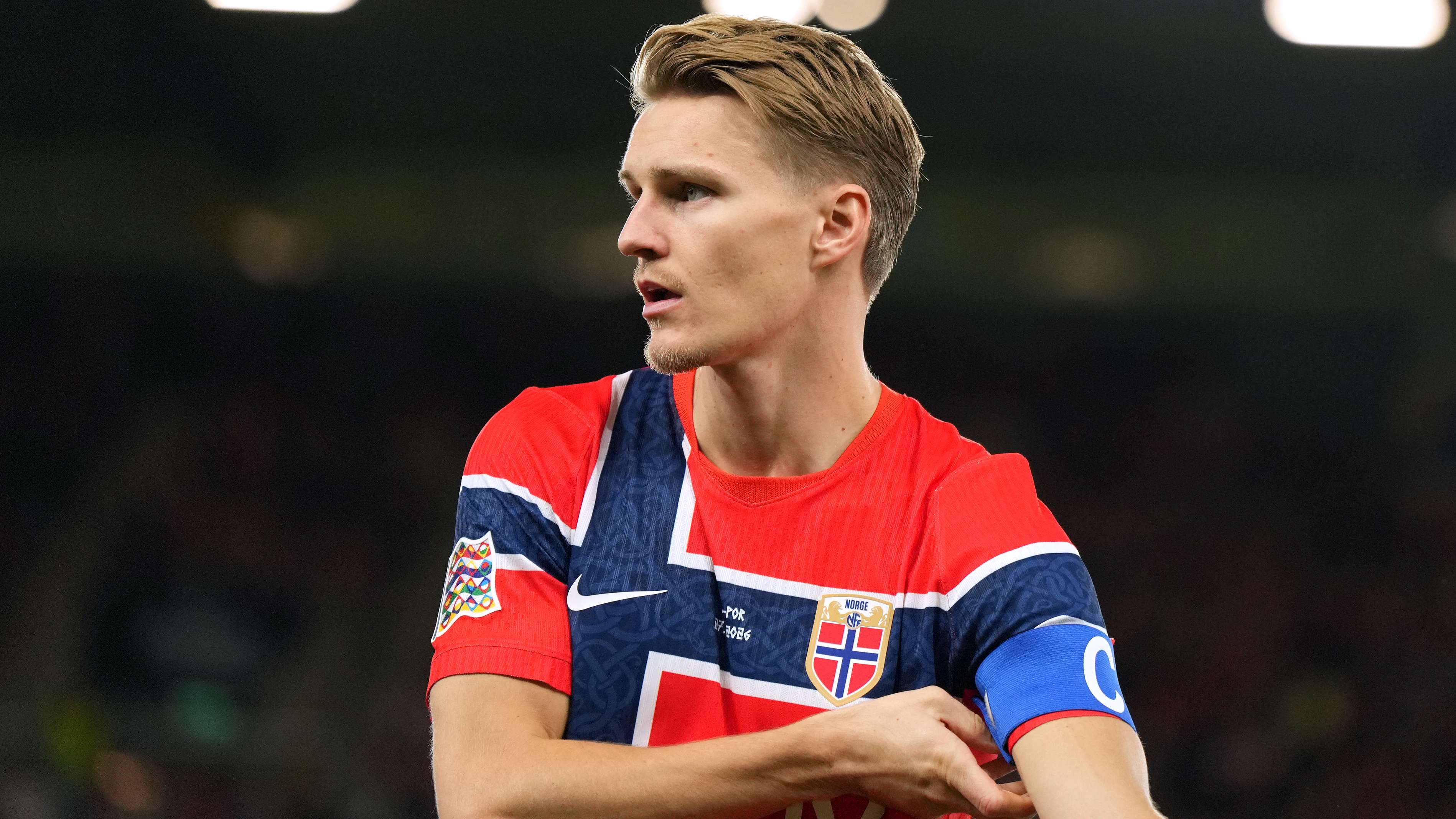
In a highly charged international encounter at Ullevaal Stadium, the football world witnessed a tense confrontation between Norway and Portugal that has sparked widespread debate among fans, pundits, and analysts alike. The match, which was eagerly anticipated by football enthusiasts, took a dramatic turn when Norway captain Martin Odegaard publicly criticized Portuguese star Bernardo Silva following a contentious challenge that left Odegaard visibly distressed and injured. This incident not only overshadowed the game but also raised important questions about fair play, sportsmanship, and the integrity of football at the highest level.
The Incident: A Closer Look at the Controversial Challenge
During the latter stages of the match, in a crucial moment that could have swung the momentum in Portugal’s favor, Bernardo Silva executed a late, aggressive tackle on Norway’s captain, Martin Odegaard. The challenge was immediately met with concern from spectators and commentators, with many questioning whether it was a reckless foul or a tactical foul intended to disrupt Odegaard’s playmaking abilities.
Reactions from the pitch revealed the severity of the incident: Odegaard was seen clutching his leg, limping off the field and visibly distressed. Medical staff quickly attended to him, and his subsequent withdrawal from the game cast a shadow over Norway’s hopes of securing a positive result. The injury fears have since intensified, with speculation about the potential impact on Odegaard’s club commitments and national team duties moving forward.
Odegaard’s Response: A Public Confrontation and Calls for Fair Play
Following the match, Norway’s captain Martin Odegaard did not hold back in expressing his displeasure towards Bernardo Silva. In a post-match interview and through social media statements, Odegaard criticized the Portuguese midfielder for what he described as a “reckless and unnecessary” challenge that jeopardized his health and the spirit of competitive football.
“Football is about skill, strategy, and respect,” Odegaard stated passionately. “There’s no place for dangerous tackles that threaten players’ safety. I hope the authorities take a firm stance against such actions to preserve the integrity of the game.” His outspoken remarks have resonated with fans worldwide, emphasizing the importance of sportsmanship and fair play in international football.
The Broader Context: Football’s Ongoing Battle with Unsportsmanlike Conduct
This incident is part of a larger ongoing debate within the football community regarding excessive physicality, unsportsmanlike conduct, and the measures needed to combat reckless challenges. While aggression is often viewed as part of the game’s physical nature, there is a growing consensus that certain tackles cross the line, risking players’ health and tarnishing the sport’s reputation.
Football governing bodies, including FIFA and UEFA, have been under increasing pressure to implement stricter disciplinary measures. Recent rule changes aim to discourage dangerous tackles, with referees empowered to issue harsher penalties for reckless challenges. However, incidents like the one involving Odegaard and Silva underscore the challenge of enforcing these regulations consistently across different levels of play and competitions.
Implications for Club and International Football: Fitness and Player Safety
The injury sustained by Odegaard raises concerns about player safety, especially considering the congested fixture schedules and the physical demands placed on professional footballers. With Odegaard’s potential absence from upcoming club matches and national team fixtures, the incident has also ignited discussions about injury prevention strategies and the importance of protective refereeing during high-stakes encounters.
Furthermore, the controversy has implications for predictions and betting markets related to upcoming football matches. Analysts and fans alike are now factoring in the possibility of key players being sidelined due to injuries caused by reckless challenges, which can significantly influence match outcomes and betting predictions.
Expert Opinions: Analyzing the Impact on Football Predictions and Future Encounters
Football experts suggest that incidents like the Odegaard-Silva challenge could have ripple effects beyond the immediate game. For instance, pundits are debating whether such aggressive play signals a need for more stringent refereeing or a cultural shift within the sport to prioritize sportsmanship over physical intimidation.
“In terms of prediction, injuries to key players like Odegaard can alter the odds for both club and international matches,” explains sports analyst Mark Jensen. “Teams may need to adapt their strategies, and bookmakers will adjust their predictions based on player availability and fitness levels, making the upcoming fixtures more unpredictable.”
Looking Ahead: The Future of Football and the Role of Fair Play
The incident at Ullevaal serves as a stark reminder of the delicate balance between physicality and respect in football. As fans and stakeholders continue to demand cleaner, safer play, governing bodies are tasked with enforcing rules that protect players without diminishing the competitive intensity that makes football so captivating.
Both Norway and Portugal will now need to focus on recovery and strategic planning for future matches. Norway, in particular, will be counting on Odegaard’s resilience and recovery to maintain their competitive edge. Meanwhile, Portugal’s squad will be under scrutiny to prevent similar incidents that threaten the safety of their opponents.
Conclusion: A Call for Greater Respect and Better Predictions in Football
The confrontation between Martin Odegaard and Bernardo Silva highlights the ongoing challenges in maintaining the spirit of fair play within football’s fiercely competitive environment. The incident has not only sparked debate about player safety and sportsmanship but also has implications for predictions and tactical adjustments in upcoming matches.
As the sport evolves, stakeholders must work collectively to foster an environment where skill, respect, and safety are prioritized. For fans, analysts, and bettors, understanding these dynamics is crucial for making accurate predictions and enjoying the beautiful game responsibly. Ultimately, football’s future depends on its ability to balance physicality with respect, ensuring that the sport remains thrilling, fair, and safe for all participants.