
Max Kruse Criticizes Joshua Kimmich’s Leadership in the Germany Football Team
The landscape of German football is currently under intense scrutiny, with experts and former players weighing in on the qualities—or the lack thereof—within the national squad. Recently, Max Kruse, a seasoned former Germany international and well-respected football pundit, voiced pointed criticism regarding Joshua Kimmich’s role as a leader within the team. His remarks have sparked widespread discussion among fans, analysts, and betting enthusiasts interested in football predictions and team dynamics ahead of upcoming international fixtures.
Kruse’s Perspective: Leadership Beyond the Captain’s Armband
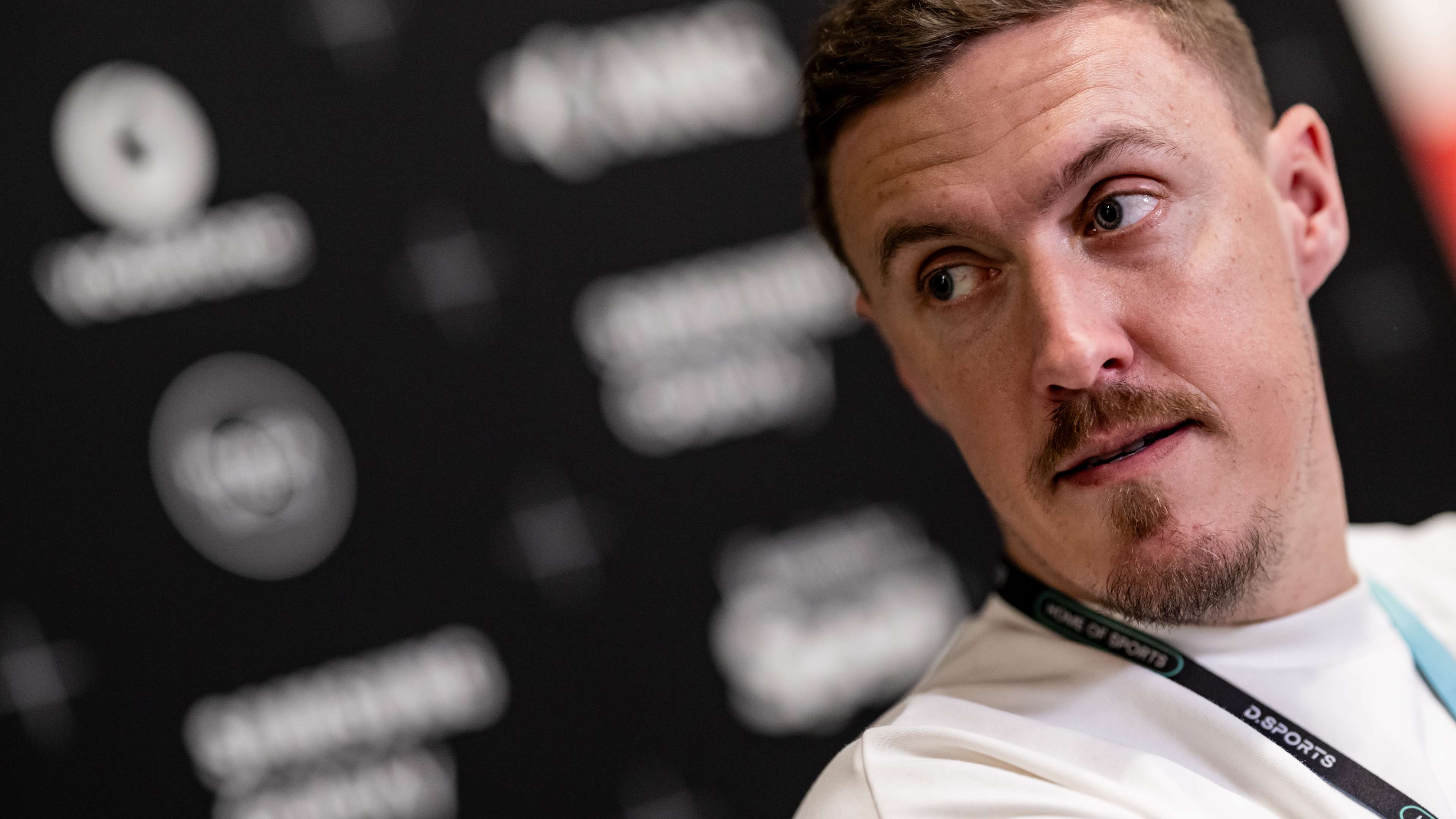
During an engaging episode of the “Beidfüßig” podcast hosted by the renowned football portal “Wettbasis,” Kruse expressed his concerns about the current state of leadership in the German national team. At 38 years old and with a wealth of experience on the pitch, Kruse did not hold back in criticizing what he perceives as a leadership vacuum within the squad, especially highlighting the absence of players with authentic edge and character.
“Leadership is not just about wearing the armband,” Kruse explained. “It’s about the presence, the influence, and the ability to inspire your teammates during crucial moments. Unfortunately, I see a lack of such genuine leaders in the current Germany team.” His critique aligns with broader concerns about the team’s cohesion and the ability to perform under pressure in high-stakes matches, including upcoming UEFA competitions and World Cup qualifiers.
The Question of Joshua Kimmich’s Leadership Qualities
One of the central themes of Kruse’s critique revolves around Joshua Kimmich, Bayern Munich’s versatile and highly talented midfielder. Despite donning the captain’s armband for Bayern Munich, Kruse questioned whether Kimmich possesses the leadership qualities necessary to galvanize a national team facing its own set of challenges.
“For me, Kimmich is not a natural leader,” Kruse stated candidly. “He wears the armband at Bayern, but leadership is demonstrated through actions, character, and the ability to rally the team—traits I don’t see enough of from him.”
Kruse elaborated on what true leadership entails, emphasizing that it extends beyond mere toughness or vocal commands. “Leadership on the pitch is about guiding your teammates, making strategic decisions, and maintaining composure when the game is on the line,” he added. “Kimmich’s playing style is technically excellent, but that doesn’t automatically translate to being a leader.”
The Current State of the German Squad: A Lack of Distinctive Characters
Kruse’s critique also touches on the broader issue of the team’s composition. He lamented the absence of players with strong personalities and distinctive characters, which are often essential for establishing a cohesive and motivating team environment. According to him, the current German squad has been overly sanitized and lacks the authenticity needed to thrive in competitive tournaments.
“The team has been smoothed over,” Kruse observed. “There’s a tendency to select players who are technically skilled but lack the fire and grit that drive teams forward. That’s a problem when you need leaders who can step up and take responsibility in critical moments.”
Jürgen Klopp’s Plan for Kimmich’s Role in the National Team
Despite Kruse’s public criticism, the current Germany head coach, Jürgen Klopp—who previously managed Borussia Dortmund and Liverpool—remains committed to integrating Kimmich as a central figure in the team’s tactical setup. Klopp has publicly reiterated his confidence in Kimmich’s abilities and envisions him playing a key role in the upcoming fixtures.
“We see Kimmich as a midfielder,” Klopp confirmed in a recent press conference. “He is an integral part of our plans, and we have not discussed or considered playing him as a right-back anymore. His best position is in the midfield, where he can influence the game more effectively.”
During the last World Cup, Kimmich was often deployed out of necessity at right-back, which was not his natural role. Now, Klopp aims to utilize his skills in the defensive midfield position, where he can serve as the team’s organizer and stabilizer.
The Importance of Defensive Stability and Leadership
Klopp also stressed that team stability begins with a solid defensive foundation. “Defense is where stability starts,” he explained. “We need every player, especially our captain, to buy into a collective defensive effort. That’s how we build a resilient team capable of winning football predictions and fixtures.”
He emphasized that leadership on the pitch involves more than individual brilliance; it requires collective responsibility and consistency. For Kimmich, this means not only excelling technically but also demonstrating leadership qualities through consistent effort and organizational skills.
Broader Implications for Football Predictions and Future Success
The ongoing debate about Kimmich’s leadership qualities and the overall character of the German team has significant implications for football predictions and the team’s prospects in upcoming tournaments. Teams with strong leadership tend to perform more reliably under pressure, and understanding the dynamics within a squad can influence betting strategies and predictions for their success in competitions like the UEFA Nations League, World Cup qualifiers, and Euro tournaments.
Expert analysts suggest that Germany’s ability to develop and harness genuine leaders on the pitch will be crucial in determining their performance. The team’s tactical setup, combined with players’ mental toughness and leadership skills, will influence predictions about their chances of lifting trophies or progressing deep into tournaments.
Conclusion: The Road Ahead for Germany Football
As Germany prepares for future international fixtures, the conversation surrounding leadership and team character remains at the forefront. While Jürgen Klopp’s strategic plans highlight the importance of Kimmich’s role in midfield, critics like Max Kruse remind us that football success is not solely about technical ability but also about the intangible qualities that make a team resilient and cohesive.
For fans and bettors making football predictions, recognizing the evolving team dynamics and leadership qualities will be essential. The coming months will reveal whether Germany can foster the authentic leaders needed to compete at the highest level or if they will continue to struggle with internal cohesion and character—factors that ultimately determine their path to victory or defeat on the international stage.