
Spanish Supreme Court Upholds Four-Year Prison Sentence for Footballer Santi Mina in Sexual Assault Case
The legal saga surrounding Spanish footballer Santi Mina has reached a significant milestone as the Spanish Supreme Court has confirmed his four-year prison sentence following a conviction for sexual assault. This case, which has garnered considerable media attention and sparked widespread debate within the football community, underscores the ongoing challenges of addressing misconduct allegations in professional sports and highlights the judiciary’s stance on consent and accountability.
Background of the Case: A Troubling Incident in Mojácar
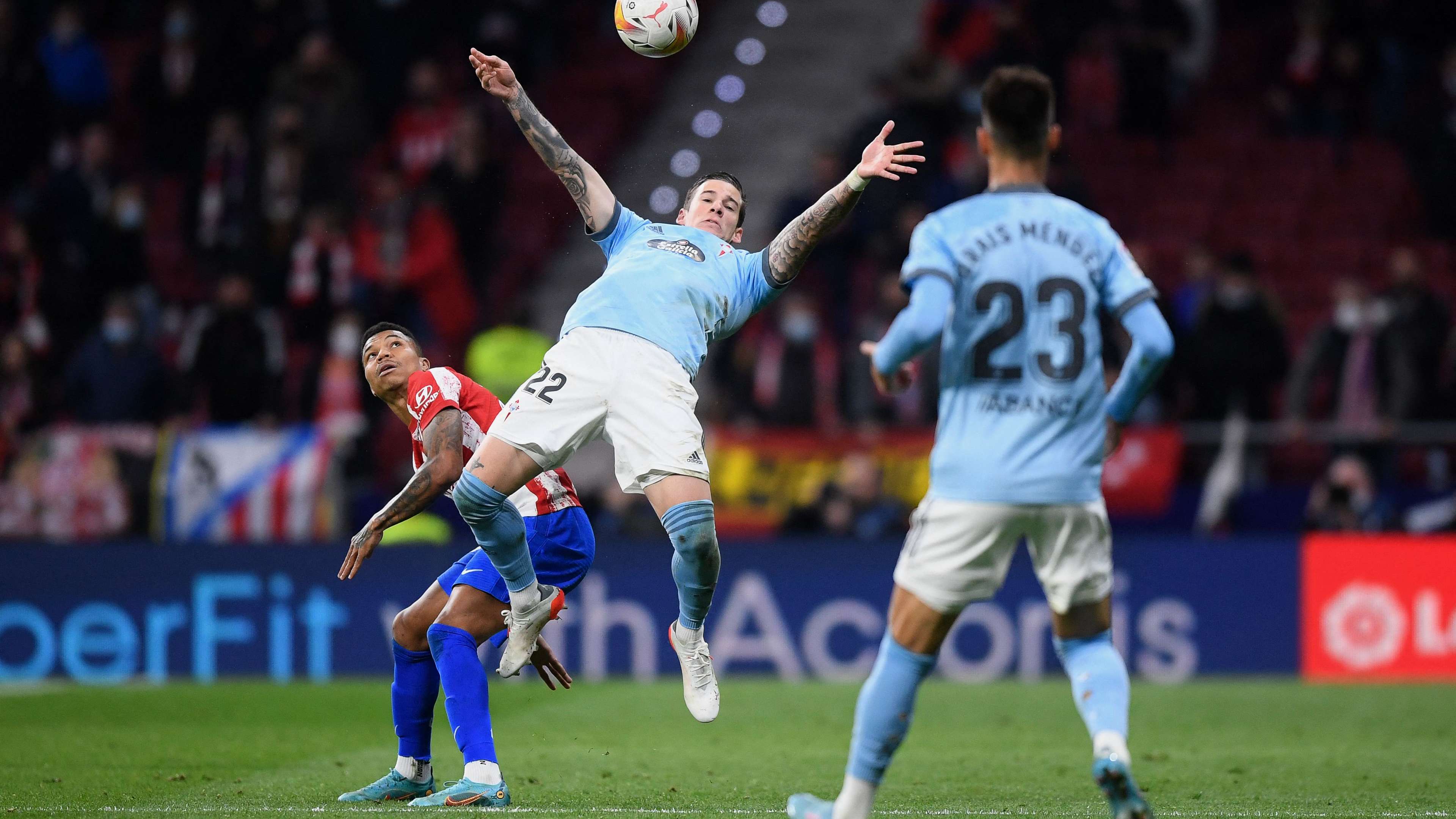
In July 2017, Mina was involved in an incident that would later become a highly scrutinized legal matter. According to court records, the footballer was accused of sexually assaulting a woman inside a parked truck near a nightclub in Mojácar, a coastal town in the province of Almería, Spain. The case drew immediate public interest, partly because Mina was a prominent figure in Spanish football, playing for top-tier clubs and representing the national team at various levels.
The initial investigation revealed a complex situation where Mina engaged with the victim, leading to a series of events that culminated in the assault. The court’s findings indicated that Mina exploited the victim’s proximity and the element of surprise to carry out two sexual acts without her consent. Importantly, the court noted that Mina only ceased his actions when he realized that continuing would require force to overcome her resistance. This detail played a crucial role in the legal assessment, emphasizing the non-consensual nature of the acts.
Legal Proceedings and Court Rulings
The case progressed through the judicial system, with Mina initially facing charges of sexual assault. The trial in the High Court of Andalusia resulted in a conviction, sentencing him to four years in prison. Mina appealed the verdict, seeking to overturn or reduce the sentence, but his appeal was ultimately rejected by the Spanish Supreme Court.
The Supreme Court, in its detailed judgment, reaffirmed the lower court’s decision, emphasizing that Mina’s actions constituted sexual assault because there was no evidence to suggest the victim had consented to the acts. The court clarified that Mina’s cessation of activity upon the victim’s request did not imply prior consent, nor did it suggest that he reasonably believed she had consented. This legal distinction is critical in understanding how consent is interpreted within Spanish criminal law, especially in cases involving allegations of sexual violence.
Additionally, the Supreme Court upheld the reduction of the victim’s compensation from €50,000 to €25,000, acknowledging the victim’s suffering while balancing considerations of proportionality and legal standards. The court also dismissed the victim’s request for an eight-year prison sentence and six years of supplementary penalties, maintaining the original four-year sentence.
Implications for Football and the Fight Against Sexual Violence
Santi Mina’s case has sent ripples through the football world, raising questions about player conduct, club responsibilities, and the broader societal stance on sexual violence. The decision by the Supreme Court underscores the importance of accountability, regardless of an individual’s status or profession. It sends a clear message that the legal system will rigorously pursue justice in cases of sexual assault involving public figures.
In response to the legal proceedings, Mina’s former club, Celta Vigo, took decisive action. Despite having two years remaining on his contract, the Galician club unilaterally terminated his employment in August 2023, signaling a strong stance against any form of misconduct and aligning with the club’s commitment to uphold ethical standards and social responsibility.
Football Predictions and the Future Outlook
As the legal case concludes, attention within the football community shifts to the player’s future and the broader implications for the sport. In terms of football prediction, Mina’s career trajectory has undoubtedly been impacted by this legal setback. While some fans and analysts speculate on whether he will return to professional football, others emphasize the importance of rehabilitation, accountability, and ongoing societal conversations about consent and respect.
Looking ahead, football clubs and governing bodies are increasingly prioritizing education and awareness campaigns to prevent sexual misconduct among players and staff. The case serves as a stark reminder of the importance of fostering a culture of respect both on and off the pitch. It also influences predictions about the sport’s reputation and the measures clubs might adopt to ensure a safe environment for all involved.
The Broader Context: Justice, Society, and Sports
This case exemplifies the evolving landscape of justice in sports, where legal institutions are increasingly holding high-profile athletes accountable for their actions. It also reflects society’s growing intolerance for sexual violence, pushing sports organizations to implement stricter codes of conduct and preventative measures.
Moreover, the case raises important questions about the role of the media and public opinion in shaping perceptions of justice and accountability. As football remains one of the most popular sports worldwide, ensuring that its stars exemplify integrity and respect is crucial for maintaining the sport’s global appeal and social relevance.
Conclusion: A Landmark Decision with Lasting Impact
The Supreme Court’s affirmation of Santi Mina’s prison sentence marks a significant moment in the ongoing fight against sexual violence within sports. It sets a precedent that no athlete, regardless of their fame or success, is above the law. The case also highlights the importance of clear legal standards around consent, emphasizing that any sexual act carried out without explicit agreement constitutes assault.
As the football community processes this verdict, it is expected that clubs, players, and fans alike will reflect on the importance of fostering a respectful, safe environment both on and off the field. Moving forward, the case serves as a reminder that justice and accountability are fundamental pillars in shaping a healthier, more equitable sport for future generations.