
Paul Parker Explains Why Manchester United Should Look Beyond Erling Haaland
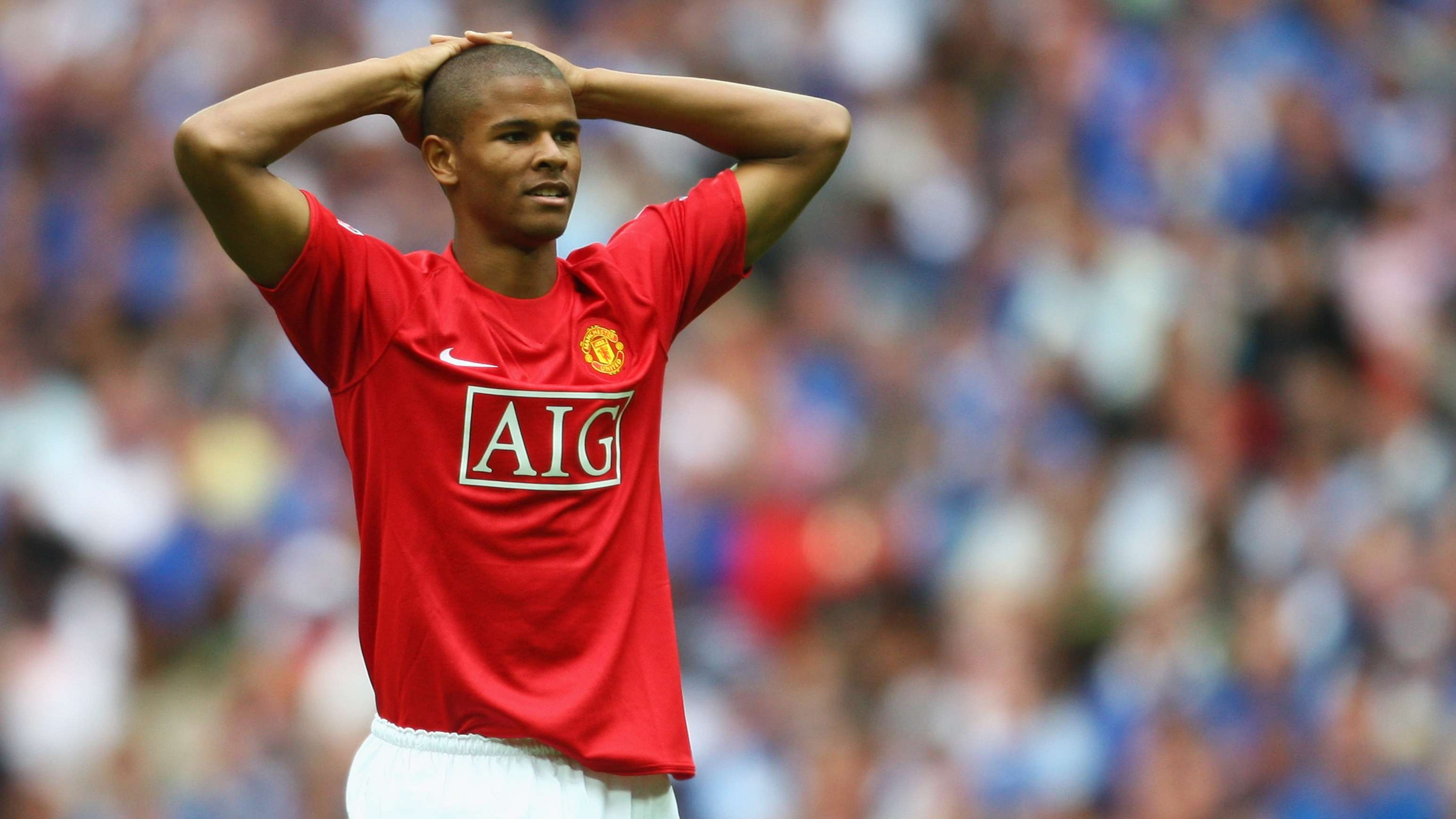
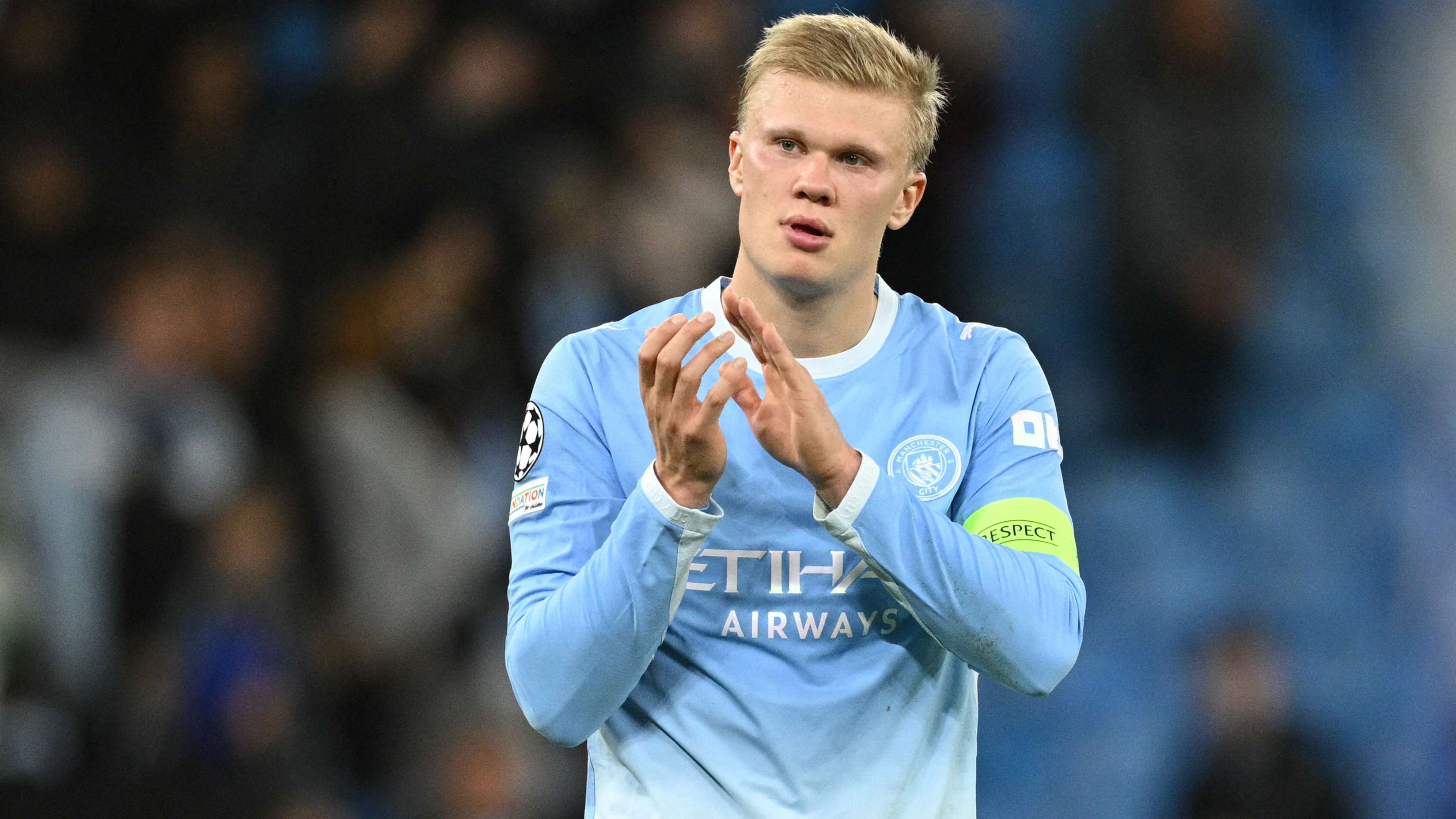
Erling Haaland is one of the most feared forwards in world football, but former Manchester United defender Paul Parker has questioned whether the prolific Manchester City striker would be the right signing for the Red Devils. Despite Haaland’s remarkable scoring record at the Etihad Stadium, Parker believes United should focus their recruitment on other areas of the pitch rather than pursuing a headline-grabbing move for the Norwegian.
The suggestion is striking because elite goalscorers are rarely viewed as anything other than valuable assets. Haaland’s combination of size, speed, movement and ruthless finishing has made him a defining presence in English football. Yet Parker’s argument highlights a broader issue facing United: signing the most celebrated player available does not automatically solve the problems that matter most to a team.
Why Haaland’s Manchester City Success Does Not Settle the Debate
Haaland has transformed City’s attack since arriving in Manchester, regularly turning chances into goals and adding a powerful focal point to an already creative side. His ability to attack space, dominate defenders physically and finish quickly makes him a difficult opponent to contain. For many supporters, the idea of such a striker wearing United’s shirt would be an exciting prospect—especially given the historic rivalry between the clubs.
But a player’s success in one system does not guarantee the same impact in another. City have built a team capable of supplying Haaland with service through possession, movement and carefully timed passes. United would need to consider whether their current structure could consistently create the chances that allow a centre-forward of his profile to thrive.
That distinction matters in any transfer prediction. A famous name can attract attention, but recruitment decisions should be based on how a player fits a club’s tactical plan, squad balance and long-term priorities. Parker’s reported view is that United have more urgent work to do before making a marquee striker the centre of their strategy.
Manchester United’s Bigger Squad-Building Questions
United’s challenge is not simply finding a player who can score. The club must build a team that can progress the ball reliably, control matches and create high-quality opportunities against both deep defensive blocks and aggressive opponents. If those foundations are inconsistent, even an outstanding forward may spend too much time waiting for service or trying to manufacture chances alone.
That is why Parker’s position points toward a wider debate about priorities. Depending on the squad’s needs, United may benefit more from strengthening the midfield, improving defensive organisation or adding players who can carry the ball and create chances from wide areas. A dependable supply line could make the team more productive overall, while improving defensive stability could help United compete more consistently across a demanding season.
There is also the question of balance. A club planning a major rebuild has to weigh the cost of one superstar against the possibility of improving several positions. Spending heavily on a striker may be justified when the rest of the team is settled, but it can be a risk if key weaknesses remain elsewhere. The best transfer strategy is not always the one that produces the biggest announcement; it is the one that makes the whole squad stronger.
Would Haaland Suit United’s Style?
Haaland’s strengths are clear, but any assessment of a potential move must also examine the football around him. He is most dangerous when teammates can find him early, deliver accurate passes into the box and draw defenders away from his runs. United would need to provide that support consistently, while also ensuring the striker’s role fits the team’s pressing and build-up approach.
That does not mean Haaland could not succeed at Old Trafford. His finishing ability would give United a major weapon, and his presence could force opposing defences to adjust. However, signing him would not automatically fix problems in chance creation or midfield control. If those issues persisted, the club could end up with a world-class forward but an attack that still struggles to function as a unit.
Any transfer discussion also has to account for practical realities. A move involving a player of Haaland’s standing would likely be complicated by his contract situation, financial demands and importance to City. Even if United were interested, the question would not be only whether the striker wanted to move. The club would have to decide whether the cost and disruption made sense alongside its other requirements.
A Rivalry That Adds Emotion to the Conversation
The possibility of Haaland switching from City to United carries an obvious emotional charge. The two clubs share a city and a fierce rivalry, so a transfer across Manchester would attract extraordinary attention. For United supporters, the prospect of taking a leading City player could be thrilling; for City fans, losing their central attacking figure to their neighbours would be difficult to accept.
Still, rivalry alone is not a sound recruitment policy. Modern football clubs must make decisions that serve their sporting plans, even when the most dramatic option is tempting. Parker’s reported stance encourages supporters to separate the excitement of a headline move from the more practical question of what United need to become a stronger team.
What Parker’s Prediction Means for United’s Future
Parker’s comments should be understood as an opinion about priorities, not proof that United have no interest in Haaland or that a move is being considered. The former defender’s central point is that the club may need to address more pressing weaknesses before targeting a superstar striker. That perspective reflects a familiar lesson in football: individual brilliance can change matches, but sustained success usually depends on a well-balanced squad.
For United, the next steps will depend on their recruitment plans, tactical direction and ability to build a more consistent team. If the club can improve its supply of chances and strengthen the areas Parker believes require attention, the case for investing in a top-class forward may become stronger. Until then, prioritising the foundations could prove more valuable than chasing the most recognisable name in the market.
Haaland remains an extraordinary striker, and his record ensures that any discussion about his future will attract attention. But Parker’s view offers a useful counterpoint to the usual transfer prediction: the best signing is not necessarily the biggest star. For Manchester United, the more important question may be whether the club can build a team capable of making every attacking player—not just a marquee centre-forward—more effective.