
Norwegian Football Federation Files Formal Ethics Complaint Against FIFA President Gianni Infantino
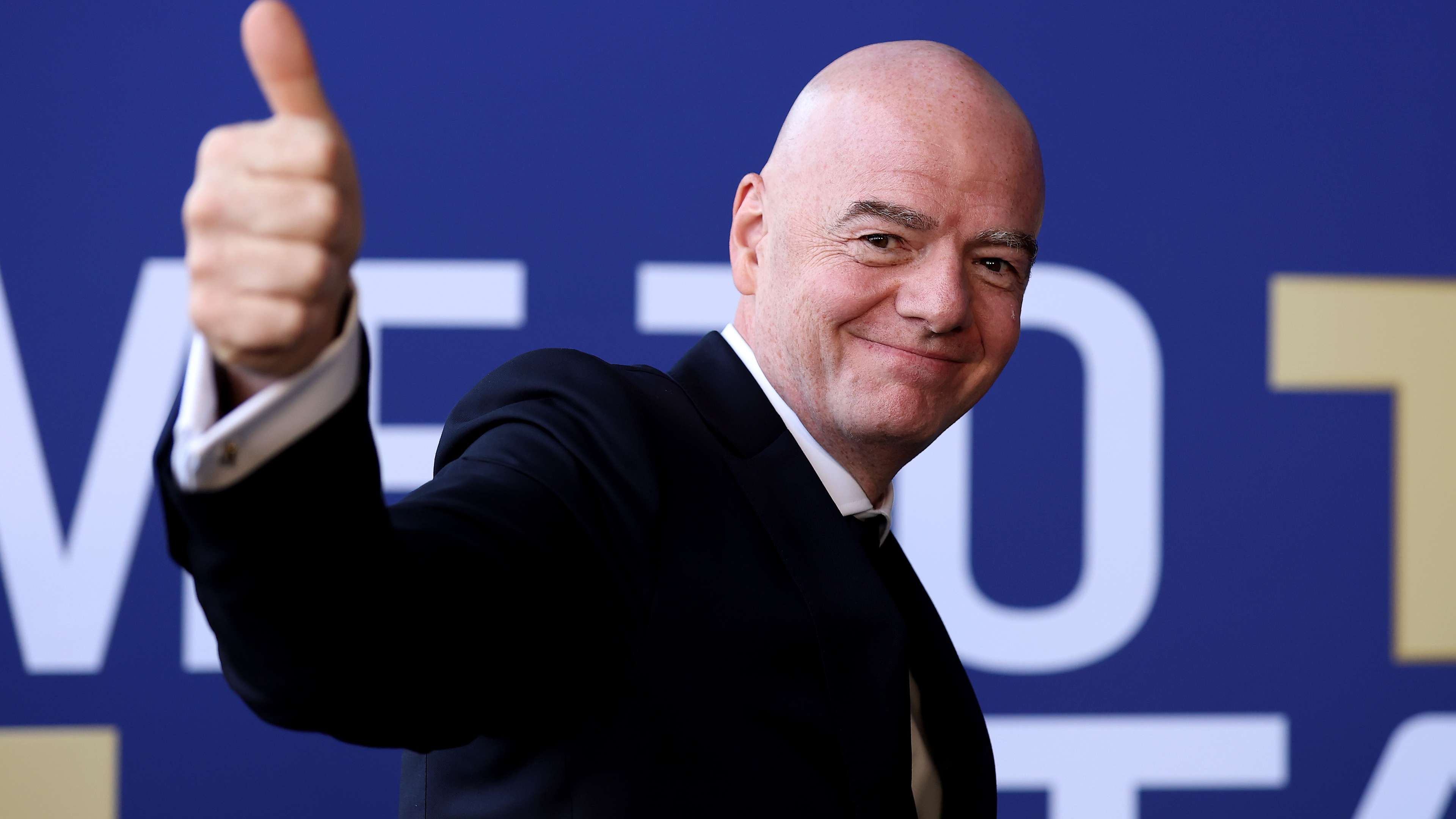
The world of international football is currently witnessing a significant development as the Norwegian Football Federation (NFF) has taken a bold step by officially challenging the leadership of FIFA President Gianni Infantino. This move stems from a comprehensive ethics complaint that raises serious concerns about the integrity of FIFA’s top leadership and its recent actions. As football enthusiasts and stakeholders worldwide seek clarity and accountability, this legal action has the potential to reshape the narrative surrounding FIFA’s governance and future direction.
Background: The Growing Concerns Over FIFA’s Leadership
Gianni Infantino, who has been at the helm of FIFA since 2016, has overseen numerous pivotal moments in the sport’s history, including the controversial expansion of the FIFA World Cup and efforts to modernize the organization. However, his tenure has not been without controversy. Increasing allegations of political interference, opaque decision-making processes, and potential abuses of power have cast a shadow over his leadership.
The Norwegian Football Federation’s decision to file a formal ethics complaint reflects a broader concern within the football community about governance standards, transparency, and accountability. The complaint specifically targets allegations of undue political influence and potential misuse of authority involving high-profile figures linked with FIFA’s strategic decisions, especially concerning multi-billion dollar investment plans aimed at expanding the sport’s global footprint.
The Core Allegations: Political Interference and Power Abuse
The ethics grievance lodged by the NFF delves into several critical issues:
- Political Interference: The complaint alleges that FIFA’s leadership, under Infantino’s direction, has been subjected to external political pressures that threaten the organization’s independence. These influences could compromise the impartiality of key decisions, particularly those related to hosting rights, sponsorship, and global development initiatives.
- Abuses of Power: Specific claims suggest that certain high-ranking officials within FIFA may have engaged in actions that undermine the integrity of the organization. This includes allegations of favoritism, lack of transparency in financial dealings, and possible conflicts of interest in the approval of lucrative investment deals.
- Financial Transparency and Investment Plans: The complaint highlights concerns surrounding multi-billion dollar projects, including infrastructure investments and expansion plans for tournaments. Critics argue that these initiatives may be driven more by personal or political agendas than by the sport’s best interests.
Implications for Global Football and Prediction of Future Outcomes
The legal challenge initiated by the Norwegian Football Federation sends ripples through the global football community. Stakeholders, including national associations, clubs, players, and fans, are closely watching how FIFA’s leadership responds and whether this marks the beginning of a broader movement toward reform.
From a predictive standpoint, several scenarios could unfold:
Potential for Organizational Reform and Greater Transparency
If the allegations lead to internal investigations and increased scrutiny, FIFA may be compelled to implement significant reforms. This could include establishing more transparent governance structures, independent oversight committees, and stricter conflict-of-interest policies. Such changes would likely bolster confidence among international football stakeholders and could positively influence the sport’s growth globally.
Impact on Future Major Tournaments and Investment Strategies
Investors and sponsors are highly sensitive to governance issues, especially when billions of dollars are involved. Any hint of scandal or misconduct could influence future sponsorship deals, broadcasting rights, and hosting bids. This might, in turn, affect predictions for upcoming tournaments and the strategic direction of FIFA’s global initiatives.
Legal and Political Ramifications
The case could also trigger legal inquiries into FIFA’s financial dealings and governance practices. Politically, it might lead to increased pressure on FIFA’s leadership from national governments and international sports bodies advocating for reform. These dynamics will shape the prediction of how FIFA will navigate its future, balancing tradition with the urgent need for change.
Broader Context: The Fight for Ethical Governance in Football
This development coincides with a larger global movement advocating for integrity and transparency in sports governance. Recent scandals in various sports organizations have heightened awareness among fans and stakeholders alike. The Norwegian Football Federation’s proactive stance underscores the importance of holding powerful institutions accountable.
Moreover, as football continues to evolve into a multi-billion dollar industry, the pressure to maintain ethical standards intensifies. From the prediction perspective, the outcome of this legal challenge could serve as a catalyst for broader reforms across international sports organizations, setting a precedent for accountability and good governance.
What This Means for Football Fans and Enthusiasts
For fans and followers of football, this legal challenge signals a period of potential change and renewed focus on the sport’s integrity. Transparency and accountability are essential for preserving the game’s spirit, ensuring fair competitions, and safeguarding its global appeal. As the story develops, predictions suggest that increased scrutiny may lead to more open decision-making processes within FIFA, ultimately benefiting the wider football community.
Conclusion: A Pivotal Moment in Football’s Governance History
The Norwegian Football Federation’s formal ethics complaint against FIFA President Gianni Infantino marks a pivotal moment in the ongoing quest for transparent and ethical governance in football. While the legal proceedings and investigations unfold, the world will be watching closely to see how FIFA responds and whether meaningful reforms are implemented.
In the broader context of the sport’s prediction landscape, this development could herald a new era of accountability, potentially reshaping the future of international football. As stakeholders rally for change, fans, clubs, and national associations alike remain hopeful that this challenge will lead to a cleaner, more transparent, and fairer global football ecosystem.