
Karim Benzema’s Nike Collaboration Cancelled: An Unexpected Turn in Football and Fashion Partnerships
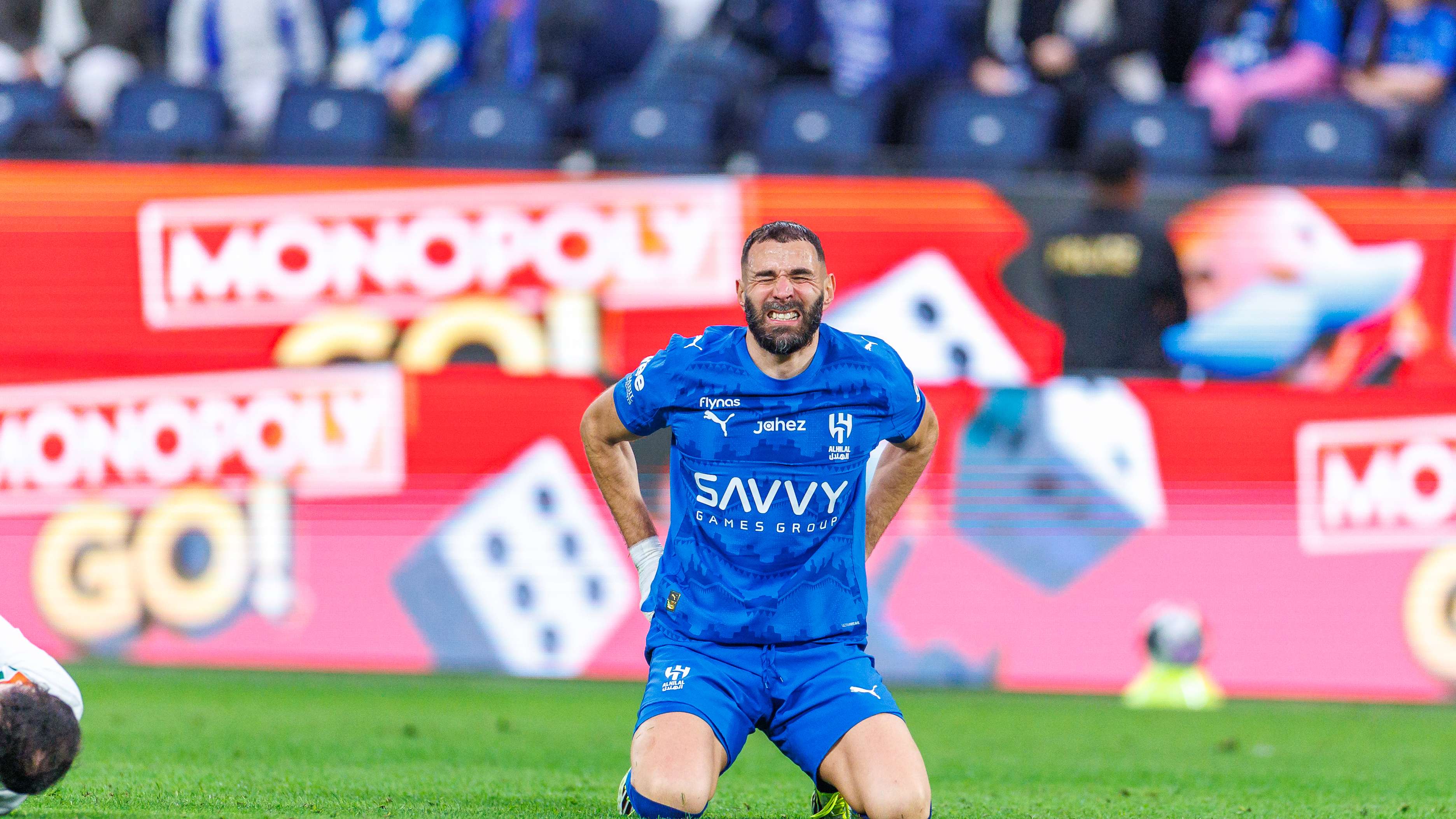
In a surprising development within the world of football and sports apparel, renowned football star Karim Benzema has recently experienced a significant setback in his potential endorsement ventures. The former Real Madrid striker, widely celebrated for his exceptional talent on the pitch, was set to participate in a high-profile promotional photoshoot with Nike. However, the planned collaboration was abruptly cancelled at the last minute, casting a spotlight on the evolving landscape of athlete-brand relationships and the increasing importance of brand values in partnership decisions.
The Background of the Nike and Benzema Partnership
Karim Benzema, whose career has been marked by remarkable achievements, including multiple Champions League titles and individual awards, has long been considered a global football icon. His appeal extends beyond the pitch, making him an attractive figure for major brands seeking to leverage his popularity. Nike, one of the most influential sportswear companies worldwide, had reportedly been in negotiations to feature Benzema in an upcoming streetwear campaign aimed at young, urban consumers.
This collaboration was envisioned to be a strategic move, combining football culture with contemporary fashion trends. The campaign, planned to include a series of dynamic streetwear apparel and an engaging multimedia campaign, was expected to boost Nike’s presence in the football community while appealing to a broader, style-conscious demographic. The photoshoot, scheduled to take place in London, was seen as a key component of this marketing push.
Last-Minute Cancellation: What Happened?
Sources close to the situation reveal that Nike made an abrupt decision to terminate the partnership just days before the scheduled streetwear campaign filming. The cancellation was not driven by logistical issues or creative disagreements but was rooted in deeper concerns about Benzema’s off-pitch history and how it aligns with Nike’s corporate values.
While the details remain confidential, industry insiders suggest that Nike’s management conducted a review of Benzema’s recent activities and public image. Although Benzema has been largely celebrated for his footballing prowess, there have been periods where his off-field conduct and personal controversies drew scrutiny. Nike’s decision indicates a growing trend among global brands to scrutinize the personal backgrounds of their endorsers, particularly when it comes to aligning with their ethical standards and brand identity.
Brand Values and the Modern Athlete Endorsement
This incident exemplifies a broader shift in the sports marketing industry, where brands are increasingly prioritizing authenticity, social responsibility, and reputation management. In recent years, companies like Nike have faced mounting pressure from consumers and advocacy groups to ensure that their endorsements reflect positive values and social consciousness.
For athletes like Benzema, this means navigating their public image carefully, especially as their influence extends beyond sports into cultural and social spheres. The cancellation of the Nike collaboration underscores the importance of aligning personal conduct with corporate expectations, particularly in an era where brand loyalty is closely tied to perceived integrity and shared values.
Implications for Football and Predicted Market Trends
The fallout from this cancelled campaign raises important questions about the future of football stars in the realm of commercial endorsements. While Benzema remains a highly respected figure in football, this incident may influence how brands approach partnerships with athletes known for their on- and off-field personas.
Looking ahead, the prediction is that sports brands will adopt more rigorous vetting processes to ensure their ambassadors and endorsers resonate with their core values. This shift could lead to more strategic collaborations that emphasize athletes’ social contributions, community involvement, and personal integrity alongside their sporting achievements.
Furthermore, this event may inspire football players and other athletes to proactively manage their public images, understanding that their off-pitch behavior can significantly impact their marketability and endorsement opportunities. The intersection of football, fashion, and marketing is becoming increasingly complex, demanding not only athletic excellence but also a strong alignment with cultural and ethical standards.
What This Means for Fans and the Broader Football Community
For fans, especially those who follow football closely, this incident serves as a reminder of the multifaceted nature of sports celebrities today. Beyond their skills on the field, players’ personal lives and public personas are under continuous scrutiny. The cancellation of Benzema’s Nike campaign underscores how modern football stars are now also brands in their own right, with their actions influencing their commercial viability.
Moreover, this development could influence future predictions regarding football’s commercial landscape. Brands may become more cautious in selecting ambassadors, favoring athletes with transparent and positive histories. Conversely, players might see this as an opportunity to enhance their personal brands by engaging in community service, social initiatives, and maintaining a positive public image.
Conclusion: A New Era in Football and Sports Marketing
The abrupt termination of Karim Benzema’s planned Nike collaboration marks a pivotal moment in the evolving narrative of football’s intersection with fashion and marketing. As brands become more conscious of their corporate values and the social responsibilities of their endorsers, the landscape of football endorsements is poised for transformation.
For fans and industry observers alike, this event underscores the importance of holistic athlete branding—where success on the pitch must be complemented by a positive off-field reputation. While Benzema remains an iconic figure in football, this incident exemplifies the increasing scrutiny athletes face beyond their sporting achievements, especially as the prediction for future football marketing trends leans toward authenticity, integrity, and shared values.
As the world of football continues to grow in influence and cultural relevance, the way brands and players navigate partnerships will undoubtedly shape the future of sports marketing, creating new opportunities and challenges for all stakeholders involved.