
Manchester United’s 3-0 Defeat Raises Fresh Questions Over Michael Carrick’s Future
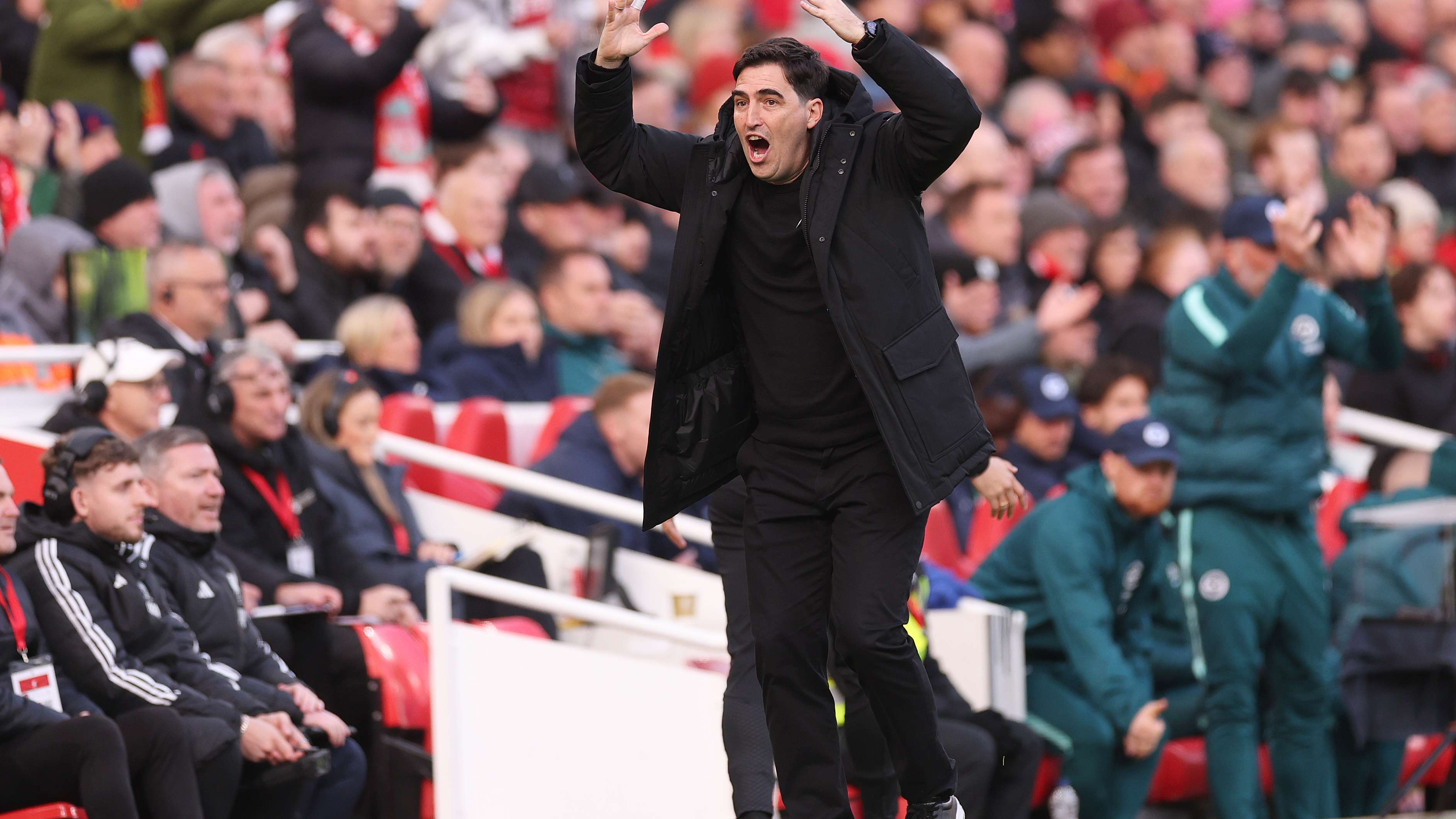
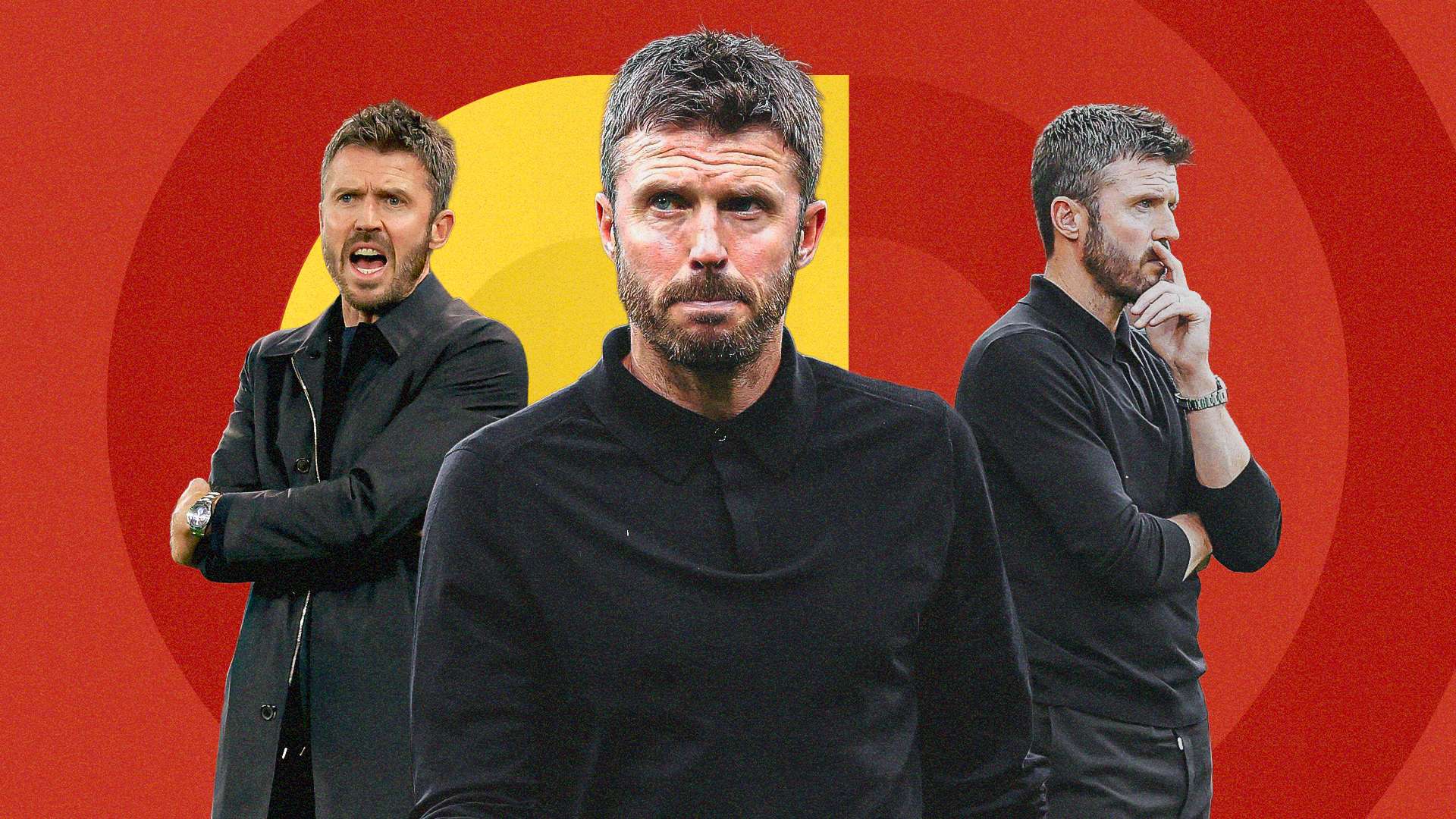
Manchester United’s 3-0 home defeat to Bournemouth has turned a poor run of form into a full-blown crisis, intensifying scrutiny of head coach Michael Carrick and the club’s football leadership. The result at Old Trafford was more than three points dropped: it deepened concerns about the team’s direction, unsettled supporters and prompted prominent pundits to question whether Carrick can remain in charge.
Former Manchester United defender Gary Neville and ex-Liverpool captain Jamie Carragher were among the loudest voices calling for urgent action. Their criticism reflects a growing sense that the club must decide whether to give Carrick more time or make another change in the dugout before the season deteriorates further.
Defeat to Bournemouth Deepens Manchester United’s Crisis
The scoreline was damaging, but the wider context is even more troubling for United. The team has struggled to find consistency, and the Bournemouth loss came amid a run of eight matches without a victory. With results sliding and performances drawing increasing criticism, pressure is building on both Carrick and the sporting executives responsible for the club’s direction.
For a club with Manchester United’s expectations, a difficult spell can quickly become a test of leadership. Supporters want to see progress on the pitch, but they are also looking for a clear plan: a recognisable style of football, dependable performances and decisions that restore confidence throughout the squad.
Neville, speaking on Sky Sports, suggested Carrick’s position had become increasingly difficult to defend. He said it was painful to consider, but believed it would be very hard for the coach to continue in the role after such a heavy defeat.
Carrick’s long applause towards the home supporters at the final whistle added another layer of speculation. Some fans interpreted the gesture as a possible farewell, although it does not confirm that he is leaving. In a tense moment, the response could also be seen as an acknowledgement of the supporters who continued to back him despite the result.
Neville and Carragher Call for a Decision
Carragher took a more direct position, arguing that United should dismiss Carrick immediately. He said a change could benefit both the club and the coach, and urged the board not to delay its decision.
Such calls are likely to divide supporters. Some may see a managerial change as necessary to arrest the decline, while others may argue that another dismissal would repeat a familiar cycle without addressing deeper problems. The challenge for United is not simply to decide who leads the team next, but to ensure any decision fits a coherent long-term football strategy.
Neville also questioned the appointment itself, saying he had expected United to recruit a more experienced coach capable of handling the demands of the job. In his view, the situation has worsened quickly and exposed broader weaknesses in how the club is managed.
That criticism points beyond Carrick. A head coach is responsible for selection, tactics and preparation, but sustained instability can also reflect choices made by owners and executives, as well as the players’ ability to respond under pressure. United’s next move will therefore be judged not only by its immediate impact, but by whether it offers a credible route back to stability.
Supporters Back Carrick as Pressure Grows
Despite the defeat, sections of the Old Trafford crowd chanted Carrick’s name after Bournemouth scored their third goal. The show of support suggests that some fans still value his connection with the club and remember the progress made during his previous spell in charge.
Carrick helped guide United towards Champions League qualification after taking over midway through last season, following Ruben Amorim’s departure. That achievement earned him goodwill and appeared to give the club a reason to continue with him. However, the poor start to the current campaign has put that trust under strain.
Neville cautioned that chants from the stands may not determine the outcome. He argued that Carrick remains popular with supporters, while confidence in the owners, sporting management and players has weakened. He also predicted that the board could make a decision that angers some fans but considers necessary for the club.
The tension underlines the difficult balance facing United. Removing a coach who retains some support could provoke frustration, but allowing a winless run to continue may further erode belief. Either path carries risk, particularly when supporters are already demanding clearer accountability from the people running the club.
Bruno Fernandes’ Omission Adds to the Questions
Another talking point was the absence of captain Bruno Fernandes from the starting line-up. Fernandes was left out after reportedly criticising Carrick’s tactics following United’s 4-1 Champions League defeat to Como. He remained on the bench throughout the Bournemouth match, prompting questions about whether the decision was purely tactical or connected to the disagreement.
Carrick said team selection is among a head coach’s most difficult responsibilities and insisted his choices are made with the team’s interests in mind. He described Fernandes’ omission as based on “purely footballing considerations,” seeking to dismiss speculation about a personal or disciplinary motive.
Even so, the episode arrives at a damaging time. A struggling team needs its senior players and coaching staff to appear united, particularly when results are poor. Any suggestion of tension between the captain and the manager risks distracting from the performances United need to improve.
What Happens Next for Manchester United?
Every decision at Old Trafford is now under close scrutiny, from Carrick’s team selections to the board’s response to the results. If he stays, he will need a rapid improvement in performances and points to show that the squad can still respond to his leadership. If he goes, United must identify a successor who can address immediate problems while also fitting a sustainable recruitment and football plan.
The Bournemouth defeat has made the immediate future uncertain, but the deeper issue is whether Manchester United can restore consistency and trust. The next decision will matter well beyond one match. For Carrick, it may determine whether he gets another opportunity to turn the season around; for the club, it will test whether its leadership can act decisively without losing sight of the long-term rebuilding required.