
FIFA Under Scrutiny: Allegations of Ineligible Player Usage in DR Congo’s World Cup Qualification Campaign
The world of football is once again embroiled in controversy, as fresh allegations threaten to tarnish the reputation of FIFA, the sport’s global governing body. At the heart of the controversy is a claim that the Confederation of African Football (CAF) and FIFA may have overlooked or sanctioned the participation of an ineligible player during the Democratic Republic of Congo’s (DR Congo) successful journey through the 2026 FIFA World Cup qualification rounds. This revelation has ignited a wave of outrage among rival nations, casting a shadow over the integrity of the qualification process and raising questions about the transparency of FIFA’s oversight.
The Allegations Unveiled: What Is at Stake?
The core of the controversy centers around allegations that DR Congo fielded a player who was ineligible according to FIFA’s regulations—specifically, rules concerning player eligibility, registration, and nationality criteria. The player in question is accused of either possessing dual nationality improperly or having failed to meet the residency requirements stipulated by FIFA. Such breaches, if proven, could render the team’s qualification invalid, prompting calls for investigations and potential disqualification.
While FIFA has yet to issue an official statement confirming or denying these allegations, the accusations have already sparked widespread debate within the football community. Critics argue that allowing such breaches to go unnoticed undermines the fairness and competitive integrity of the sport. For football enthusiasts and analysts, the controversy also raises broader questions about the effectiveness of FIFA’s oversight and whether systemic issues are enabling such violations to occur.
The Impact on World Cup Qualification and Future Predictions
The implications of this controversy extend beyond mere procedural concerns. The FIFA World Cup, the pinnacle of international football, is renowned for its competitive intensity and unpredictability. As fans and pundits analyze upcoming tournaments, the integrity of qualification campaigns becomes a critical factor in prediction models and betting odds. If allegations of ineligible players are confirmed, it could lead to significant changes in the landscape of football predictions, impacting which teams are favored to succeed in future tournaments.
For example, nations that were eliminated by DR Congo during the qualification rounds might now question the legitimacy of their defeat, leading to renewed calls for replays or even disqualifications. Such developments could dramatically reshape the tournament’s competitive landscape and alter predictions for the upcoming World Cup. Football prediction models often rely on consistent team performances, and accusations of rule violations could introduce a new layer of uncertainty into these forecasts.
Potential Legal Challenges and FIFA’s Response
The controversy surrounding the alleged ineligible player could escalate into legal challenges, especially if affected nations decide to contest the qualification results. Historically, FIFA has faced similar situations where disputes over eligibility have led to sanctions, disqualifications, or even the reorganization of qualification pathways. The governing body’s response to these allegations will be crucial in determining the future of the current qualification cycle.
FIFA has a strict code of conduct and eligibility rules designed to ensure fair play and transparency. In cases where violations are proven, sanctions such as point deductions, disqualification, or bans on involved individuals may be enforced. However, the process of investigation and enforcement can be complex, often involving appeals and negotiations. The controversy surrounding DR Congo’s qualification campaign may serve as a test case for FIFA’s ability to handle such disputes swiftly and fairly.
The Broader Context: Ensuring Fair Play in International Football
This incident highlights a broader challenge faced by international football authorities: maintaining the integrity of the game amidst evolving complexities. With the increasing professionalization of leagues worldwide and the emergence of dual-nationality players, eligibility rules are often tested. Ensuring that all teams adhere to the same standards is essential for preserving the sport’s credibility and the fairness of competition.
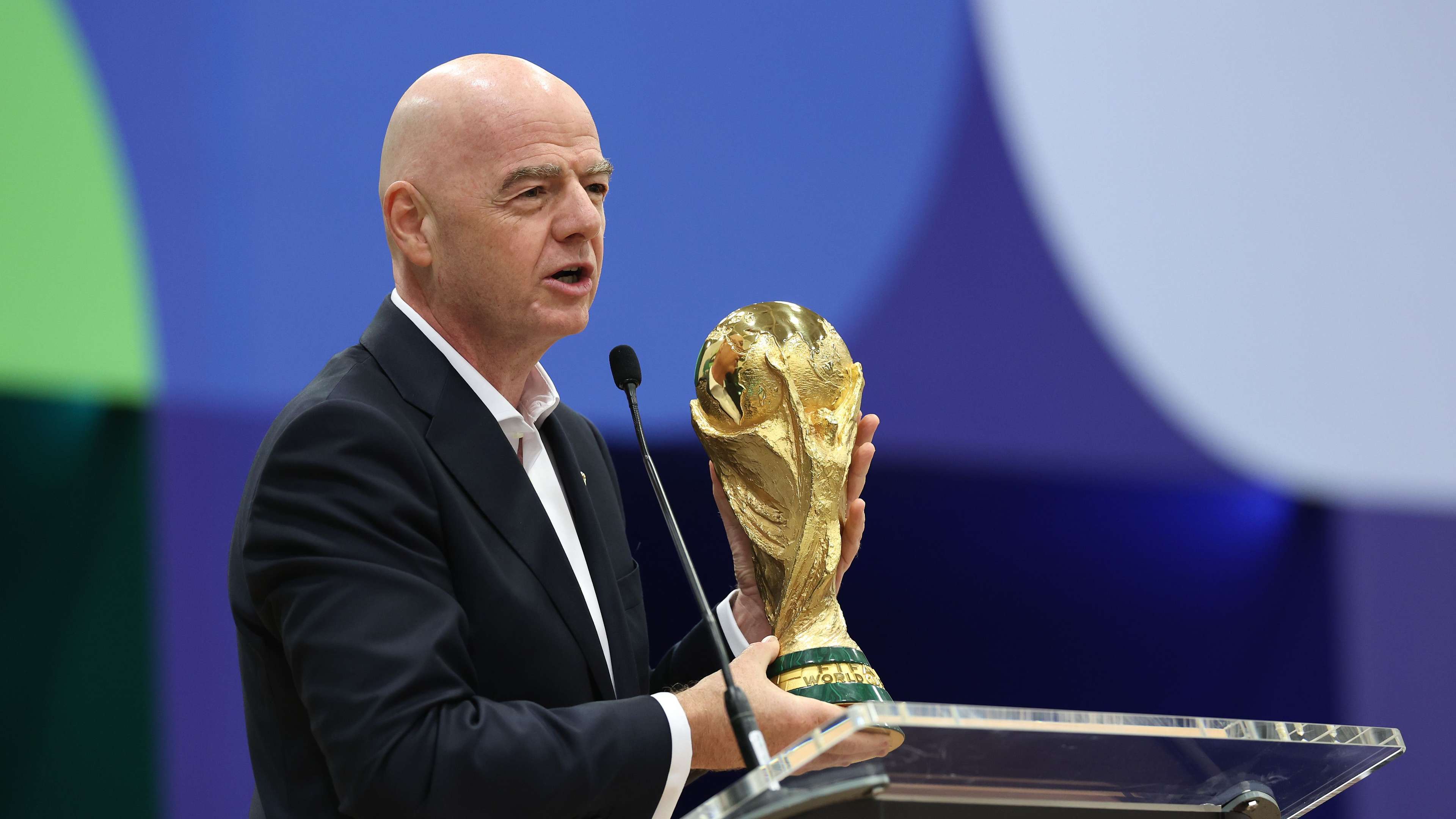
The controversy also underscores the importance of robust verification processes and transparent governance. As football continues to grow globally, so does the risk of rule violations—whether intentional or accidental. The FIFA leadership, under President Gianni Infantino, has emphasized reforms aimed at improving governance and transparency. However, critics argue that more decisive action is needed to prevent such allegations from undermining the sport’s integrity.
Implications for Fans, Stakeholders, and the Future of Football Predictions
For football fans and stakeholders worldwide, the unfolding situation serves as a reminder of the unpredictable nature of the sport. Football predictions, whether for betting markets or tournament forecasts, depend heavily on the assumption that teams compete within the rules. When allegations of rule breaches surface, it can lead to shifts in the perceived strength of national teams, influencing betting odds and prediction models.
Moreover, the controversy may influence how fans view the legitimacy of the upcoming World Cup tournaments. Transparency and accountability are key to maintaining trust, and FIFA’s handling of this situation will be closely scrutinized. For those involved in football prediction and analysis, this incident introduces an element of uncertainty, emphasizing the importance of factoring in potential disputes and controversies when making forecasts.
Looking Ahead: The Path to Restoring Trust and Ensuring Fair Play
As investigations proceed, the football community waits with bated breath for clarity. The resolution of these allegations could have far-reaching consequences, potentially leading to sanctions, disqualifications, or even a reevaluation of the qualification process in Africa. For FIFA, this is an opportunity to reaffirm its commitment to fairness, transparency, and integrity in the sport.
In the meantime, analysts and enthusiasts are advised to approach football predictions with caution, considering the possibility of unforeseen developments that could alter the competitive landscape. The ongoing controversy serves as a stark reminder that, despite the beautiful game’s universal appeal, the integrity of its competitions must always be safeguarded to uphold the sport’s core values.
Conclusion: A Critical Juncture for International Football
The allegations surrounding DR Congo’s World Cup qualification campaign mark a pivotal moment for international football governance. As FIFA investigates the claims, the global football community remains hopeful that justice and fairness will prevail. The outcome will not only influence the current qualification cycle but also set a precedent for how eligibility rules are enforced and respected moving forward.
For fans, players, and stakeholders alike, the emphasis remains on the importance of clean, fair competition—fundamental principles that underpin the beautiful game. Whether the allegations are substantiated or dismissed, this incident underscores the need for vigilant oversight, robust governance, and unwavering commitment to the integrity of football, ensuring that predictions, analyses, and dreams for the sport’s future remain rooted in truth and fairness.