
Cristiano Ronaldo Named in Portugal’s Provisional Squad for November Nations League Matches
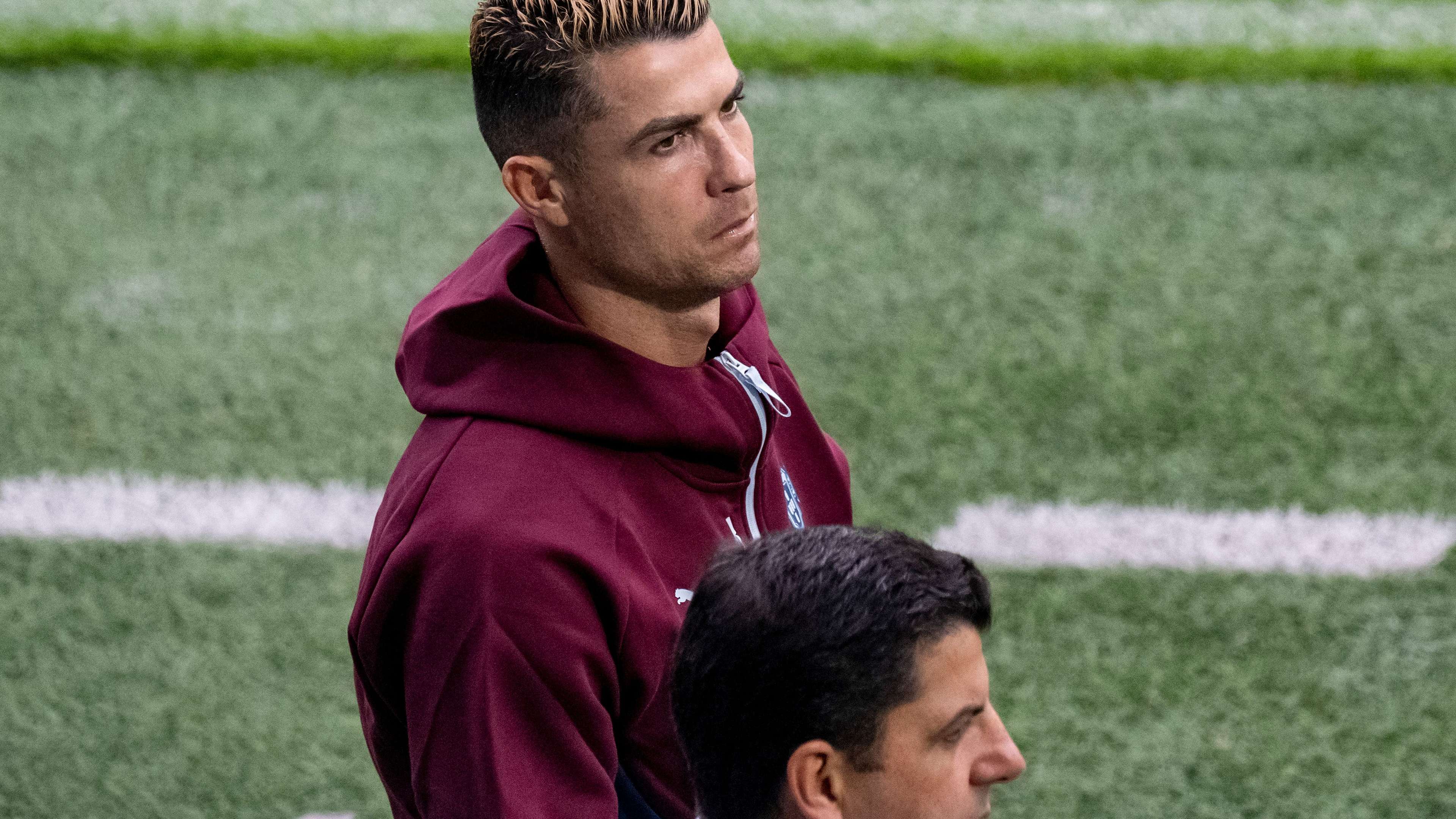
Cristiano Ronaldo has moved a step closer to returning to the Portugal national team after being included in the provisional squad for the country’s November UEFA Nations League fixtures. The 41-year-old captain’s selection signals that the door remains open following his abrupt departure from the team’s training camp in September and the dispute that followed.
A spokesperson for the Portuguese Football Federation confirmed Ronaldo’s place in the preliminary group to the AFP news agency. The federation is expected to announce the final squad on 6 November, leaving the veteran forward’s participation subject to the coaching staff’s final decision.
Portugal are scheduled to face Denmark in Braga on 14 November before travelling to Wales three days later for their final Nations League group match. Ronaldo’s potential return will be one of the main talking points as the team prepares for the fixtures, with supporters and analysts watching closely for signs of how the captain and coaching staff have resolved their differences.
Suspension Does Not Rule Ronaldo Out of November Fixtures
The Portuguese Football Federation imposed a 30-day suspension on Ronaldo last week after he left the national team’s camp on 30 September. However, the penalty was backdated to the date of the incident, meaning it is due to expire before the November international window. As a result, the suspension does not automatically prevent him from being selected or playing in the upcoming matches.
His inclusion on the provisional list is not a guarantee of a place in the final squad, but it is a significant step toward a possible return. The decision will also offer an early indication of whether the coaching staff believe the dispute can be put behind the team as Portugal enters the decisive stages of its Nations League campaign.
How the Disagreement With Jorge Jesus Escalated
The conflict reportedly began around Ronaldo’s role in Portugal’s 2-1 win over Norway. Ronaldo objected to what he viewed as a change to an earlier understanding with head coach Jorge Jesus about his place in the team. He later claimed the coach had not kept a promise to leave him on the bench.
The disagreement intensified before Portugal’s next match, a 4-2 victory over Denmark. Ronaldo said Jesus had also failed to follow an agreement about how the matter would be addressed publicly. After a press conference ahead of that game, the forward left Portugal’s training camp in Copenhagen, prompting widespread speculation about his international future.
The episode drew attention not only because of Ronaldo’s status as captain, but also because it raised questions about team discipline, communication and the balance between a senior player’s influence and a coach’s authority. In international football, where preparation time is limited, disagreements can quickly become a distraction if they are not handled clearly and privately.
Ronaldo Apologised to Supporters and Team-Mates
On 7 October, Ronaldo published a lengthy statement apologising to Portuguese supporters and his team-mates for his conduct. He also announced that his working relationship with Jesus had ended. The message appeared to acknowledge the impact of the incident while leaving open questions about whether the two men could continue working together in a national-team environment.
His apology may help ease the path toward reconciliation, but the final decision will rest with the coaching staff and federation. Selection is likely to depend on more than Ronaldo’s availability: the team will also need to consider his fitness, tactical role and how his return would affect the group’s preparation and balance.
Portugal Have Continued to Win Without Their Captain
Portugal’s results have remained strong in Ronaldo’s absence. The team won its first four Nations League matches, with the final three victories coming without its captain, and secured a place in the quarter-finals. That record gives the coaching staff room to assess the squad on sporting grounds rather than feeling compelled to bring Ronaldo back simply because of his reputation.
At the same time, Ronaldo’s experience, leadership and record in front of goal remain valuable assets. His presence could provide Portugal with another attacking option against Denmark and Wales, particularly if the matches require a proven finisher or a late change in approach. The challenge is finding a role that supports the team’s current momentum while making the most of his qualities.
November Fixtures Could Shape Portugal’s Next Steps
The matches against Denmark and Wales will close Portugal’s Nations League group campaign, but they may also help define the team’s plans for the knockout stage. Portugal are already through to the quarter-finals, scheduled for March 2027, so the coaching staff may use the fixtures to test combinations, manage workloads and build cohesion ahead of the next phase.
Ronaldo’s age will add another layer to the discussion. He turns 42 in February and has suggested that this could be the final season of his football career. That does not confirm when he will retire from international duty, but it makes each potential appearance for Portugal more significant for fans assessing the closing chapter of his career.
For now, the provisional selection offers a clear but cautious signal: Ronaldo remains under consideration. Whether he features in the final squad will be confirmed on 6 November. Until then, the central question is not simply whether Portugal’s all-time great can return, but how his experience can fit into a side that has already shown it can succeed without him. That decision could shape both the November fixtures and Portugal’s preparations for the Nations League quarter-finals.