
CAS Hearing Puts Senegal–Morocco AFCON Final Under the Legal Spotlight
The dispute over the 2025 Africa Cup of Nations final has moved from the pitch to the Court of Arbitration for Sport (CAS), where Morocco and Senegal have presented sharply different accounts of the match’s dramatic closing stages. Reports from Senegalese media describe a tense hearing focused on whether Senegal’s brief departure from the field should have ended the contest—and whether the match’s eventual result should remain valid.
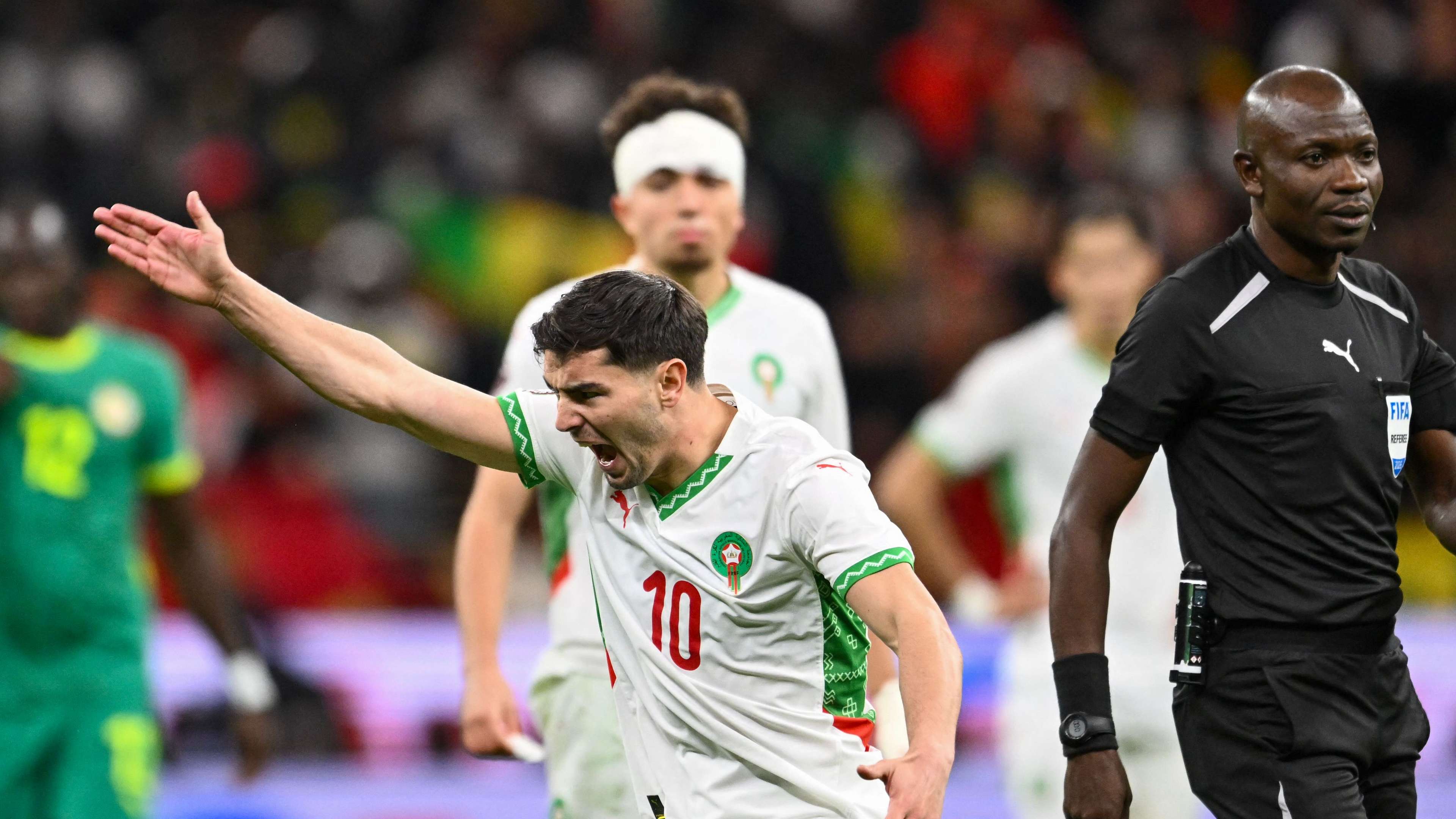
At the centre of the case is a late penalty awarded to Morocco in stoppage time. Senegal’s players temporarily left the pitch following the decision, before returning and continuing the match. Senegal went on to win 1–0 in extra time. Morocco argues that the walk-off should have triggered a forfeit, while Senegal maintains that the referee’s decision to resume play and finish the game is decisive.
The competing arguments could have major consequences beyond the result itself. CAS is being asked to examine the interpretation of football regulations, the authority of match officials, and the procedures behind a subsequent ruling by the Confederation of African Football (CAF). For supporters searching for the latest football prediction about the case, however, the key point is that no outcome should be treated as certain until the arbitration panel issues its decision.
Morocco’s Case Relies on CAF Regulations
According to the Senegalese news website Senenews, the Royal Moroccan Football Federation placed particular emphasis at Thursday’s hearing on Articles 82 and 84 of CAF’s regulations. Those provisions concern circumstances in which a team leaves the field or refuses to continue a match.
Morocco’s legal team reportedly argued that Senegal’s temporary walk-off after the penalty was awarded should have resulted in the match being stopped permanently. Under that interpretation, the players’ return to the pitch would not erase the alleged breach. Morocco’s position is that the regulations should be applied to the moment Senegal left, rather than to what happened after the game resumed.
The distinction is central to the case. If CAS accepts Morocco’s reading of the rules, the panel could conclude that the match’s later completion does not settle the original dispute. If it instead finds that the referee’s decision to restart the game carried legal weight, Senegal’s argument that the result should stand may gain support.
Allegations About Referee Intervention
The same report says Morocco also questioned whether the referee was influenced during the incident. Its lawyers reportedly suggested that Olivier Savari, described in the reports as head of CAF’s referees’ committee, intervened while the situation was unfolding. Morocco is said to have pointed to images that it believes show Savari giving instructions to the referee.
That claim appears to form part of a broader challenge to how the match was managed. Morocco had also raised concerns about a second refereeing report, according to earlier accounts of the hearing. CAF’s defence reportedly rejected that issue.
These are allegations presented as part of Morocco’s case, not findings made by CAS. The hearing is closed, and the details available publicly come through media reports rather than a full official account. Until the court publishes its reasoning, it is important to distinguish between a party’s claims and conclusions established by the arbitration panel.
Senegal Says the Referee’s Decision Should Stand
Senegal’s defence has reportedly focused on the authority of the referee and the fact that the final was ultimately completed. Its lawyers cited Law 5 of the IFAB Laws of the Game, which sets out the referee’s powers and responsibility for controlling a match and making decisions on the field.
Senegal’s central argument is straightforward: after the players returned, the referee allowed play to continue, managed the remainder of the contest and brought it to the final whistle. Senegal then scored the winning goal in extra time. From its perspective, a match that resumed and reached its conclusion should not later be treated as though it had ended at the moment of the walk-off.
The Senegalese side also reportedly invoked Article 9 of FIFA’s Disciplinary Code in support of its position. The legal question is not simply whether the players left the field, but how the rules apply when a team returns and the match continues under the referee’s supervision. CAS will need to consider whether the completion of the game resolves the matter or whether the earlier conduct remains grounds for a separate sporting sanction.
This distinction matters for football governance. Referees must be able to manage difficult situations in real time, but competition rules also need to be applied consistently. The panel’s interpretation could help clarify how temporary walk-offs, protests and restarts should be handled in future high-pressure matches.
Senegal Challenges CAF’s Appeals Process
Senegal’s case reportedly extends beyond the events on the field. The team is also challenging the process that led to a CAF appeals committee decision on 17 March 2026. That decision deemed Senegal to have forfeited the final by a 3–0 scoreline.
Senegal’s lawyers are said to have alleged procedural irregularities in the way the decision was reached. Reports also describe the defence as raising suspicions of corruption. Those are serious claims, but the available reporting does not establish that misconduct occurred. They remain allegations made within the legal dispute and must be assessed against evidence and the applicable procedures.
Procedural questions can be just as important as the interpretation of the match regulations. CAS may examine whether the parties received a fair opportunity to present their cases, whether the relevant rules were followed, and whether the CAF committee had a proper basis for its decision. Even if the panel does not accept a team’s account of the match itself, it could still consider whether the disciplinary process was conducted correctly.
What Happens Next in the AFCON Final Dispute?
With both sides having presented their arguments, the decision now rests with the CAS arbitration panel. The court’s administration has said a reasoned ruling will be issued as soon as possible after the hearing. A reasoned decision should explain how the panel interpreted the relevant regulations and why it accepted or rejected the arguments put forward by Morocco, Senegal and CAF.
Until that ruling is released, the legal outcome remains uncertain. A reliable football prediction about the final’s status is therefore impossible: the reported hearing details offer insight into each side’s strategy, but they do not reveal how the arbitrators will decide. The panel may focus on the walk-off, the referee’s authority, the match’s completion, the CAF appeals process, or a combination of these issues.
For fans, the case is about more than whether a 1–0 extra-time victory will stand. It raises broader questions about how football authorities balance disciplinary rules with decisions made during a live match. The eventual CAS ruling could shape expectations for players, referees and governing bodies whenever a team protests a decision by leaving the field.