
Former Manchester United Star Criticizes Chelsea’s Ownership Decision
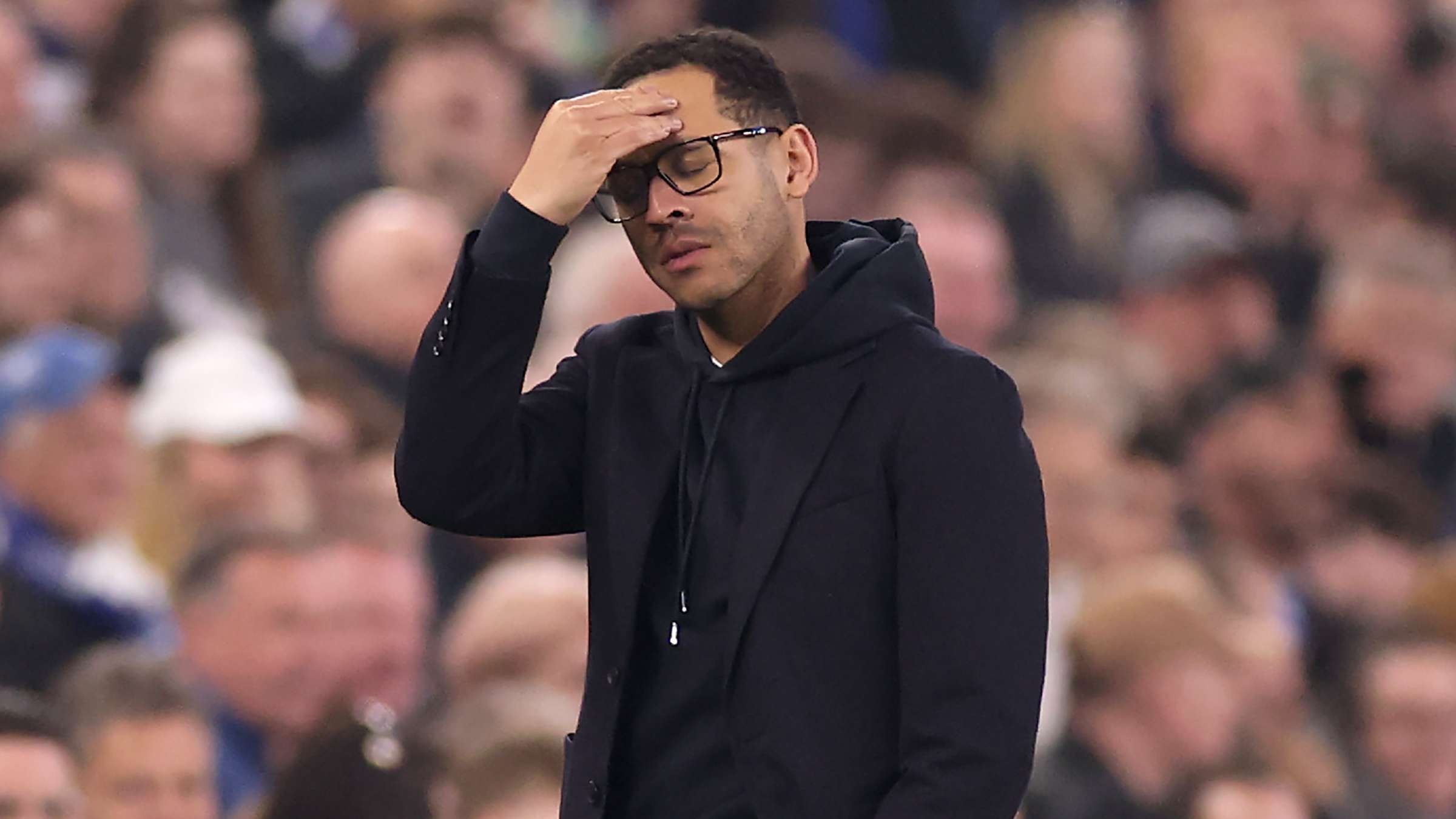
Football pundit and former Manchester United player Gary Neville has stirred up controversy by criticizing Chelsea’s owners for their recent decision to sack Liam Rosenior. Neville, known for his outspoken views on the game, did not hold back in his assessment of the situation, labeling the club’s owners as “clueless.”
“It’s absolutely disgraceful what they’ve done to Liam,” Neville stated during a recent broadcast. “To axe him like that shows a complete lack of understanding of the game. Chelsea’s owners need to take a long, hard look at themselves.”
Questionable Long-Term Contracts Policy
In addition to condemning the decision to sack Rosenior, Neville also took aim at Chelsea’s policy of handing out long-term contracts to players. He described the strategy as “laughable” and questioned the club’s rationale behind such decisions.
“Chelsea’s approach to long-term contracts is simply not sustainable in the current football landscape,” Neville explained. “It’s a short-sighted strategy that will only lead to further problems down the line. The owners need to rethink their approach if they want to achieve success on the pitch.”
Backlash from Fans and Pundits
Chelsea’s decision to part ways with Rosenior has sparked a backlash from fans and pundits alike. Many supporters have taken to social media to express their disappointment and frustration with the club’s management.
“It’s a sad day for Chelsea Football Club,” one fan tweeted. “Liam Rosenior was a great asset to the team, and his sacking is a huge loss for us. The owners need to rethink their priorities.”
Other pundits have also weighed in on the situation, with some echoing Neville’s sentiments about the club’s ownership. The debate over Chelsea’s decision continues to divide opinions within the football community.
Future Uncertainty for Chelsea
As Chelsea navigates through this period of turmoil, questions remain about the club’s future direction. The departure of Rosenior and the ongoing criticism from figures like Neville have cast a shadow over Chelsea’s season.
With key matches on the horizon and the pressure mounting on the team, it remains to be seen how Chelsea will respond to the criticism and adversity they currently face. The club’s owners will need to address the concerns raised by fans and pundits if they are to regain the trust and support of the football community.
Overall, the situation at Chelsea highlights the challenges faced by modern football clubs in balancing success on the pitch with financial stability and long-term planning. As the debate rages on, all eyes will be on Chelsea to see how they navigate through this difficult period and emerge stronger on the other side.
The Importance of Stability in Football
One key aspect that often gets overlooked in the world of football is the importance of stability. Clubs that constantly change managers, players, and leadership can struggle to build a cohesive team and identity. Chelsea’s decision to sack Liam Rosenior is just one example of the instability that can arise when ownership makes abrupt changes.
Stability allows for long-term planning, player development, and team cohesion. When clubs are constantly in a state of flux, it can be challenging to achieve sustained success. By criticizing Chelsea’s ownership decision, Neville is highlighting the need for stability in football clubs to create a solid foundation for growth and achievement.
The Impact of Social Media on Football
In today’s digital age, social media plays a significant role in shaping public opinion and influencing the narrative around football clubs. The backlash from fans on platforms like Twitter can have a real impact on how clubs are perceived and can pressure ownership to rethink their decisions.
Chelsea’s decision to sack Rosenior was met with disappointment and frustration from fans on social media, showcasing the power of online platforms in mobilizing supporters and shaping discourse. As clubs navigate through controversies, they must be mindful of the influence of social media and the need to engage with fans in a meaningful way.
The Evolution of Football Ownership
The criticism leveled at Chelsea’s owners by Neville also raises broader questions about the role of ownership in modern football. With the influx of wealthy investors and foreign owners, the landscape of football ownership has evolved significantly in recent years.
Owners are now expected to balance financial success with on-field performance, fan engagement, and long-term planning. The scrutiny faced by Chelsea’s owners over their decision to sack Rosenior highlights the complex challenges that modern owners must navigate in the competitive world of football.
The Road Ahead for Chelsea
As Chelsea grapples with the fallout from Rosenior’s sacking, the club faces a crucial period of introspection and decision-making. How they respond to the criticism from fans, pundits, and former players will shape their trajectory for the rest of the season and beyond.
It will be essential for Chelsea’s owners to address the concerns raised by Neville and others, reassess their approach to long-term contracts, and demonstrate a commitment to stability and success on the pitch. The coming weeks will be a test of resilience for Chelsea, as they seek to navigate through this challenging chapter in their history.
In conclusion, the saga at Chelsea serves as a reminder of the complexities and pressures faced by football clubs in the modern era. By examining the fallout from Rosenior’s sacking through various lenses, we can gain a deeper understanding of the dynamics at play in the world of football and appreciate the nuances of ownership decisions in the sport.