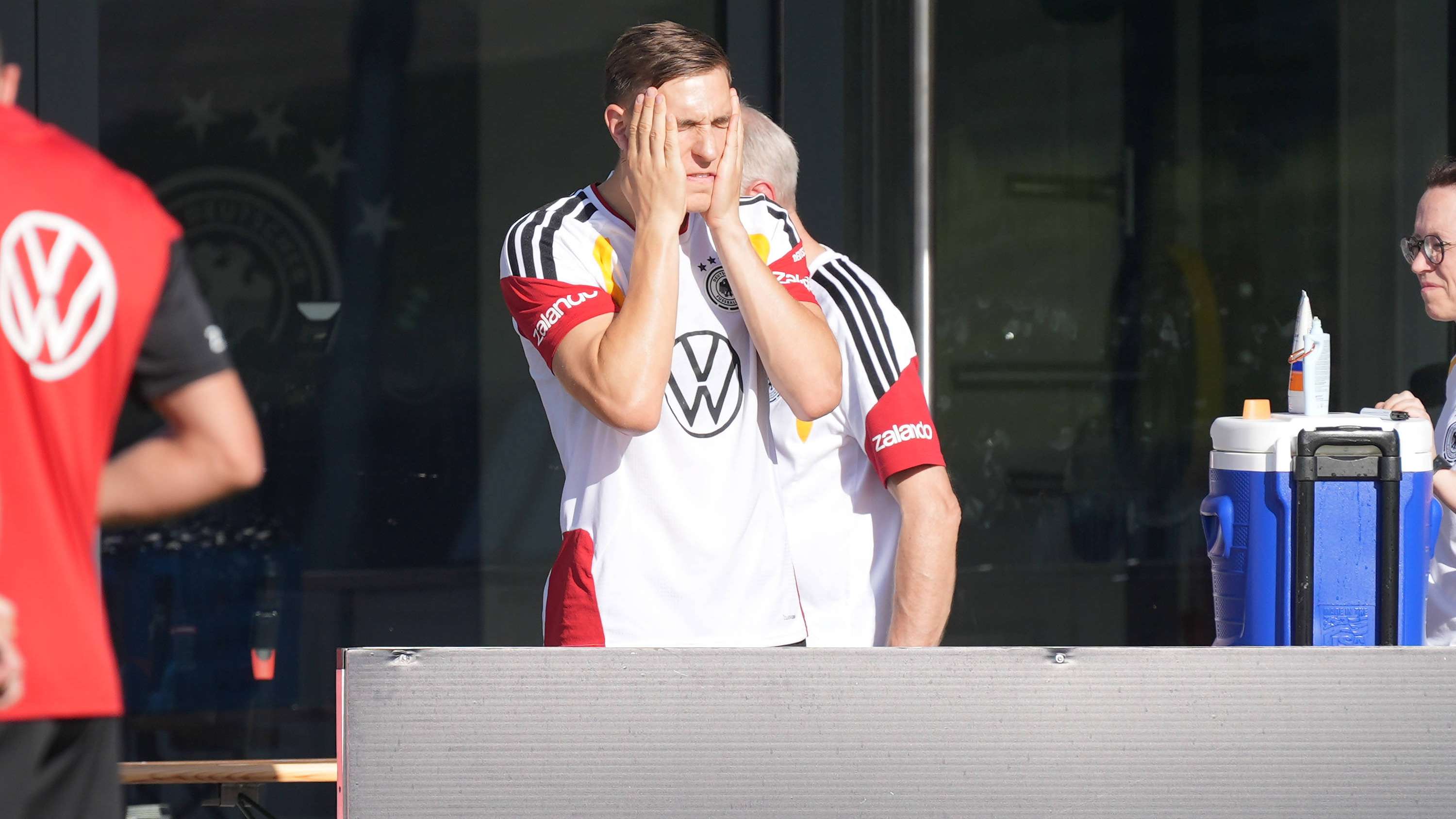

Germany Shows Promise in Friendly Against Finland
Despite a convincing 4-0 victory over Finland in their recent friendly match, Germany’s performance highlighted some areas where improvement is still needed. The team’s lack of tactical discipline at times was evident, but there were also promising signs for the future. Head coach Julian Nagelsmann’s decision to trust in the young players proved to be a wise choice, with their potential shining through on the field. As the team prepares for the 2026 World Cup in the USA, Canada, and Mexico, here are three key takeaways from the match.
Tactical Discipline Remains a Concern
While the scoreline against Finland may have been impressive, there were moments in the game where Germany lacked the necessary tactical discipline. This is an area that will need to be addressed as the team progresses towards the World Cup. Maintaining shape and structure on the field will be crucial against stronger opponents, and Nagelsmann will need to work on instilling a greater sense of tactical awareness in his players.
Youthful Energy and Potential
One of the highlights of the match was the performance of Germany’s young players. Nagelsmann’s decision to give opportunities to the next generation of talent paid off, with the likes of Kai Havertz and Jamal Musiala standing out. Their energy and enthusiasm injected a sense of vibrancy into the team, and their potential bodes well for the future. As Germany looks to rebuild and rejuvenate its squad, the young players will play a crucial role in shaping the team’s identity.
Nagelsmann’s Vision for the Future
Julian Nagelsmann’s approach to the friendly against Finland was a clear indication of his vision for the future of German football. By trusting in the young players and giving them the opportunity to showcase their skills, Nagelsmann is laying the groundwork for a new era of success. His instincts in identifying and nurturing talent were evident on the field, and the team’s performance reflected his commitment to building a competitive and dynamic squad.
In conclusion, Germany’s 4-0 win over Finland provided a glimpse into the team’s potential as they prepare for the 2026 World Cup. While there are areas that need improvement, such as tactical discipline, the performance of the young players gives cause for optimism. Julian Nagelsmann’s faith in the next generation of talent is beginning to bear fruit, and the future looks bright for German football.
As the team continues its preparations for the World Cup, fans can look forward to seeing how Nagelsmann’s vision unfolds and how the young players continue to develop and make their mark on the international stage.
Germany’s Defensive Strengths and Weaknesses
While Germany’s 4-0 victory over Finland showcased their attacking prowess, it also revealed some vulnerabilities in their defense. The team’s backline looked solid for the most part, but there were moments of disorganization and lapses in concentration that allowed Finland to create scoring opportunities. As the team looks ahead to the World Cup, tightening up their defense will be crucial to their success against top-tier opponents.
The Importance of Player Rotation and Squad Depth
One key aspect that stood out in Germany’s friendly against Finland was the importance of player rotation and squad depth. Nagelsmann’s decision to field a mix of experienced players and rising stars not only provided valuable game time for the younger generation but also allowed the coach to assess different combinations and strategies. Building depth within the squad will be essential for Germany to navigate the demanding World Cup schedule and cope with injuries or suspensions.
The Evolution of Germany’s Playing Style
Under Nagelsmann’s guidance, Germany has shown signs of transitioning towards a more possession-based and fluid playing style. The team’s ability to control the tempo of the game and move the ball quickly and efficiently was evident against Finland. This shift in tactics reflects a broader trend in modern football, where teams are increasingly focusing on ball retention and collective movement to break down stubborn defenses. As Germany continues to refine their playing style, they will become a more versatile and unpredictable opponent on the international stage.
Mental Resilience and Leadership on the Field
Another aspect that Germany will need to work on leading up to the World Cup is mental resilience and leadership on the field. While their victory over Finland was convincing, there were moments where the team appeared vulnerable under pressure. Developing a strong mentality and instilling a sense of leadership among the players will be crucial in high-stakes matches, where composure and decision-making can make the difference between success and failure.
In summary, Germany’s friendly against Finland provided valuable insights into the team’s strengths and areas for improvement as they prepare for the 2026 World Cup. By addressing tactical discipline, strengthening their defense, building squad depth, evolving their playing style, and enhancing mental resilience, Germany can position themselves as strong contenders for the upcoming tournament. With Nagelsmann at the helm and a talented pool of players at his disposal, the future looks promising for German football.
Fans can look forward to an exciting journey as Germany continues to fine-tune their team and strive for success on the global stage.