
Ballon d’Or 2026: Secrecy, Spanish Stars and a Ceremony Transformed
The 2026 Ballon d’Or ceremony unfolded beneath an unusual cloud of secrecy. Despite a month passing between the close of voting and the presentation, the identity of the winner remained unknown until the final moments. There were no reliable leaks, no confirmed reports and little of the speculation that has surrounded some previous editions of football’s most prestigious individual award.
That quiet build-up set the night apart from ceremonies marked by public debate over the voting. The 2024 edition, in particular, had generated controversy about the result. In London, however, organisers kept the focus on the ceremony itself, allowing anticipation to build without a clear indication of who would take the top honour.
A long wait heightened the Ballon d’Or suspense
The mystery deepened when the ceremony’s start was delayed by 70 minutes. With the result still closely guarded, the wait gave guests, viewers and football media plenty of time to consider the possible outcome. A strong field of 30 nominees made predictions especially difficult, with established superstars and emerging talents competing for recognition.
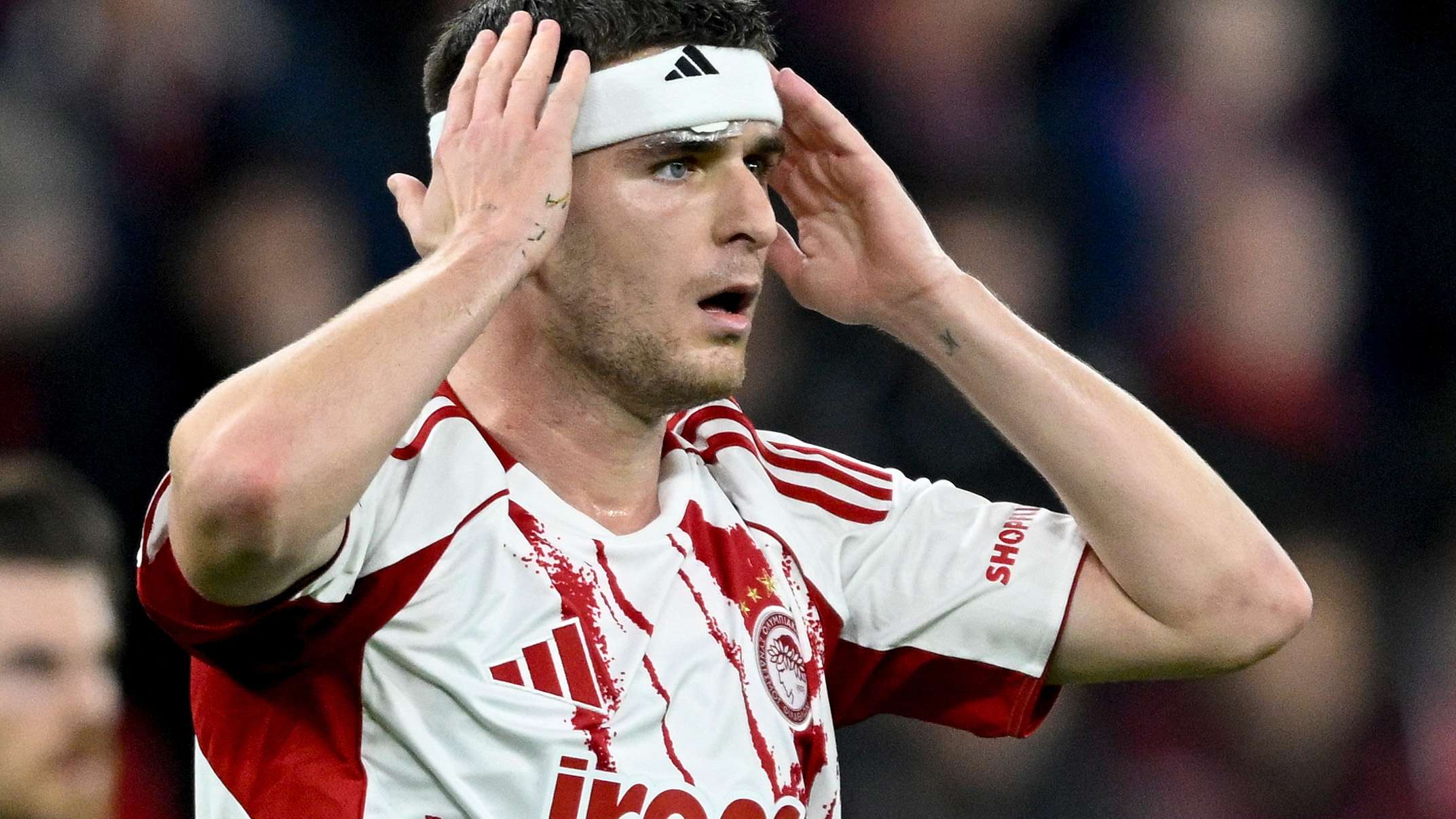
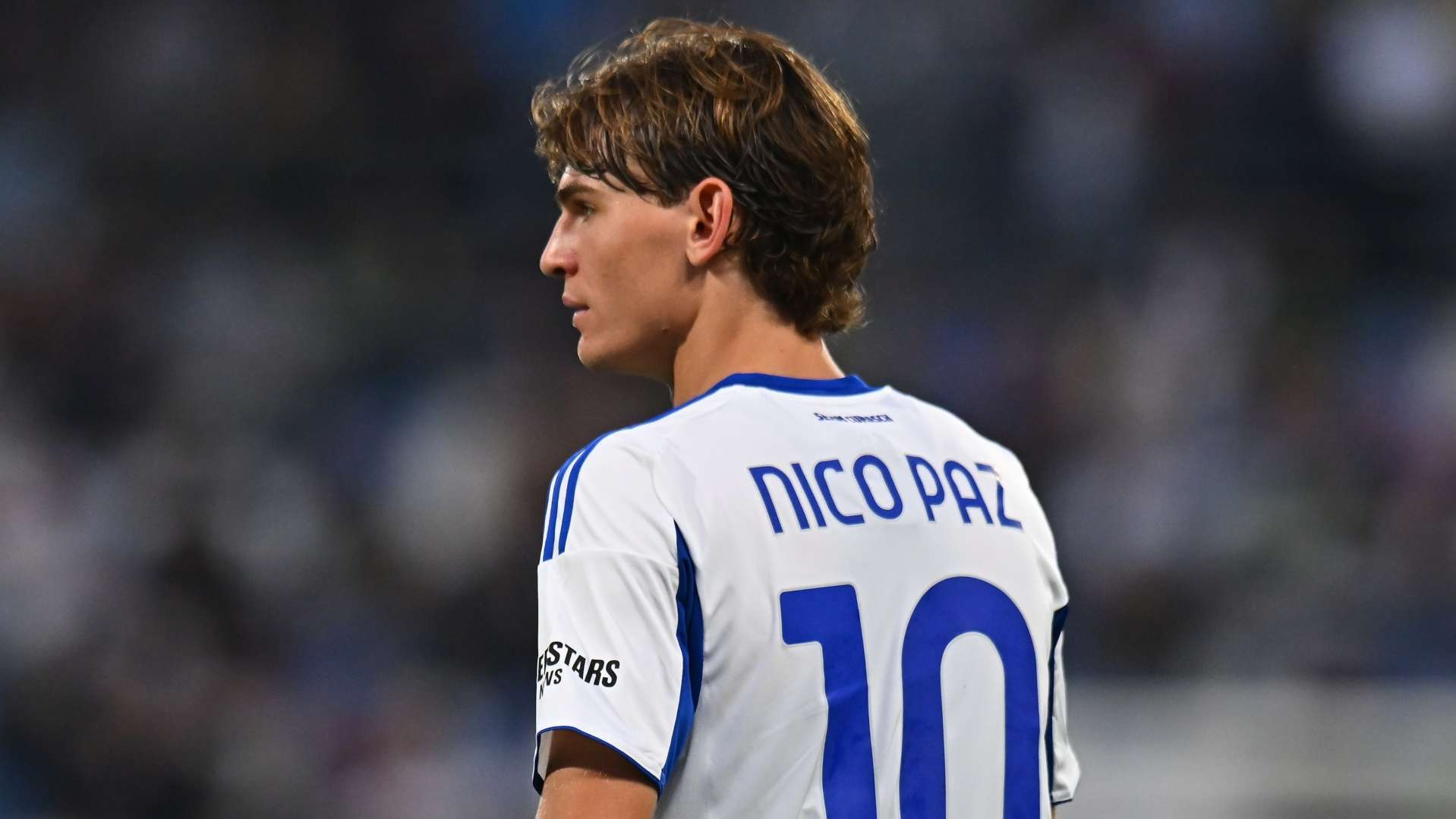
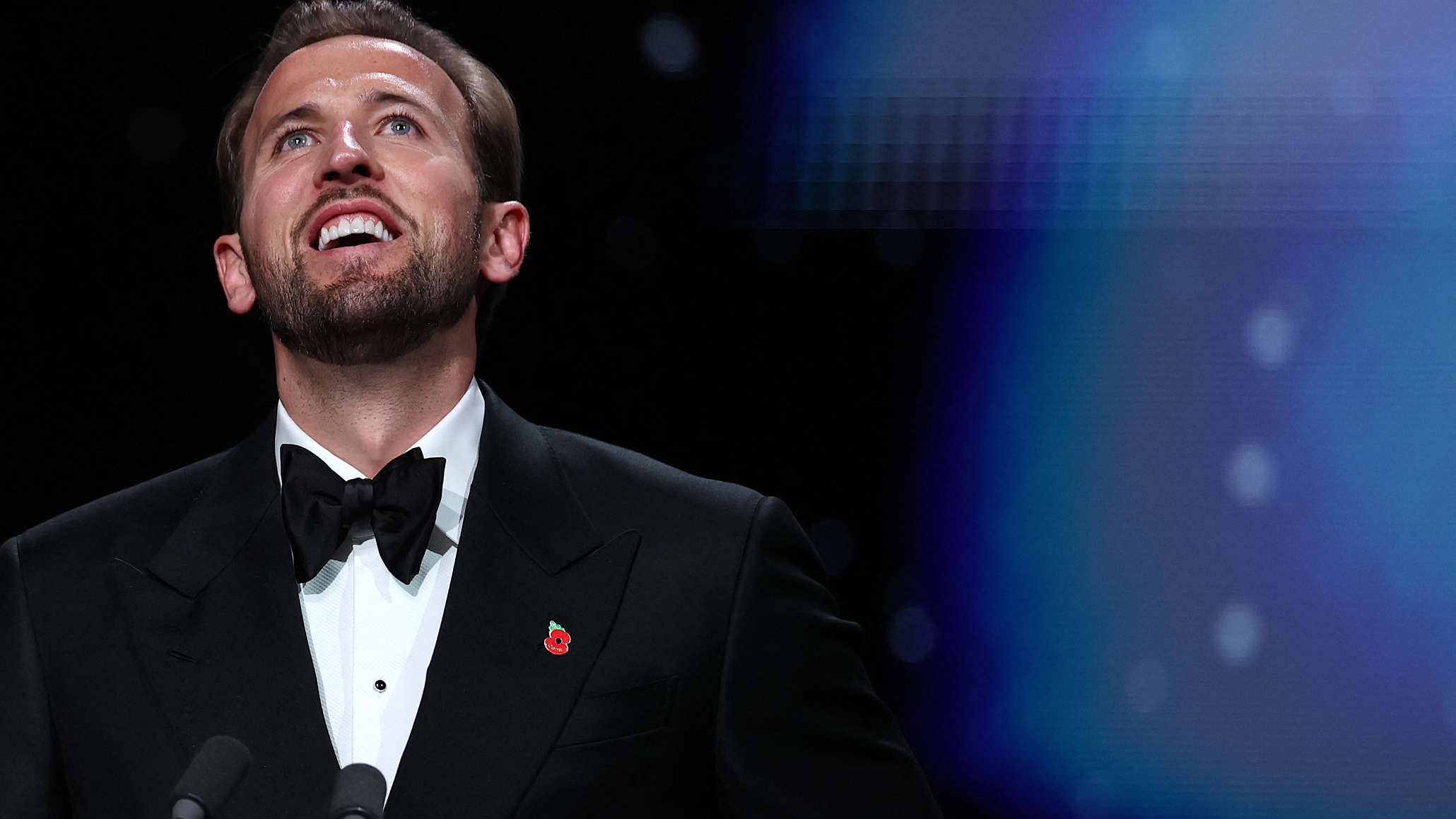
Among the names attracting attention were Ousmane Dembélé, Rodri, Marc Cucurella, Gabriel Magalhães, Yan Diomande, Michael Olise, Luis Díaz, Bukayo Saka, Kylian Mbappé, Lamine Yamal and Harry Kane. Each had a case to make, whether through individual performances, major contributions to club success or influence on the international stage. The depth of the shortlist meant that even experienced observers had little certainty about the likely top three.
That uncertainty is part of what makes the Ballon d’Or compelling. The award is not simply a measure of goals or trophies: voters weigh a player’s season, consistency, impact in decisive matches and broader contribution to the game. When several nominees have enjoyed standout campaigns, football predictions can quickly become a contest of interpretation as much as statistics.
Spanish football takes centre stage
Spanish football had a prominent presence at the London event. Goalkeepers Unai Simón, David Raya and Juan García were among those in attendance, with the gathering adding to the sense that the ceremony was also a celebration of Spain’s influence on the sport. Simón’s appearance drew particular interest, as supporters watched to see whether the Athletic Bilbao goalkeeper would receive recognition on the night.
Barcelona’s Lamine Yamal also arrived with a major award already in view: the Kopa Trophy, presented to the best young player. His presence underlined the remarkable speed of his rise. For a young footballer, a high-profile award can represent more than a personal milestone; it can also signal that the sport’s leading figures and voters see long-term potential in their performances.
Barcelona’s delegation was larger than Real Madrid’s, according to Spanish newspaper AS. The difference was linked in part to Barcelona’s success in the women’s categories, which brought additional players and representatives to the ceremony. Their presence highlighted how the Ballon d’Or has expanded beyond a single men’s award to recognise achievement across the wider game.
Rivals share a hotel in London
One of the more unexpected details reported around the event was that the Barcelona and Real Madrid delegations stayed at the same hotel during their time in London. The arrangement offered a striking contrast to the fierce rivalry that defines meetings between the two clubs. Away from the pitch, the ceremony brought players and representatives from competing teams into the same social setting.
That does not mean the rivalry disappeared. Rather, it showed how major football events can create a temporary space where professional respect and shared recognition sit alongside competition. For fans accustomed to the intensity of El Clásico, the image of both delegations under one roof added a human detail to a night otherwise dominated by awards, appearances and predictions.
From magazine ceremony to global sporting event
The scale of the Ballon d’Or today is a long way from its earlier years. The award once had a comparatively modest setting, with presentations taking place at the offices of France Football or, in some cases, at the winning player’s stadium. Luís Figo’s 2001 presentation at his club’s ground reflected that more intimate tradition.
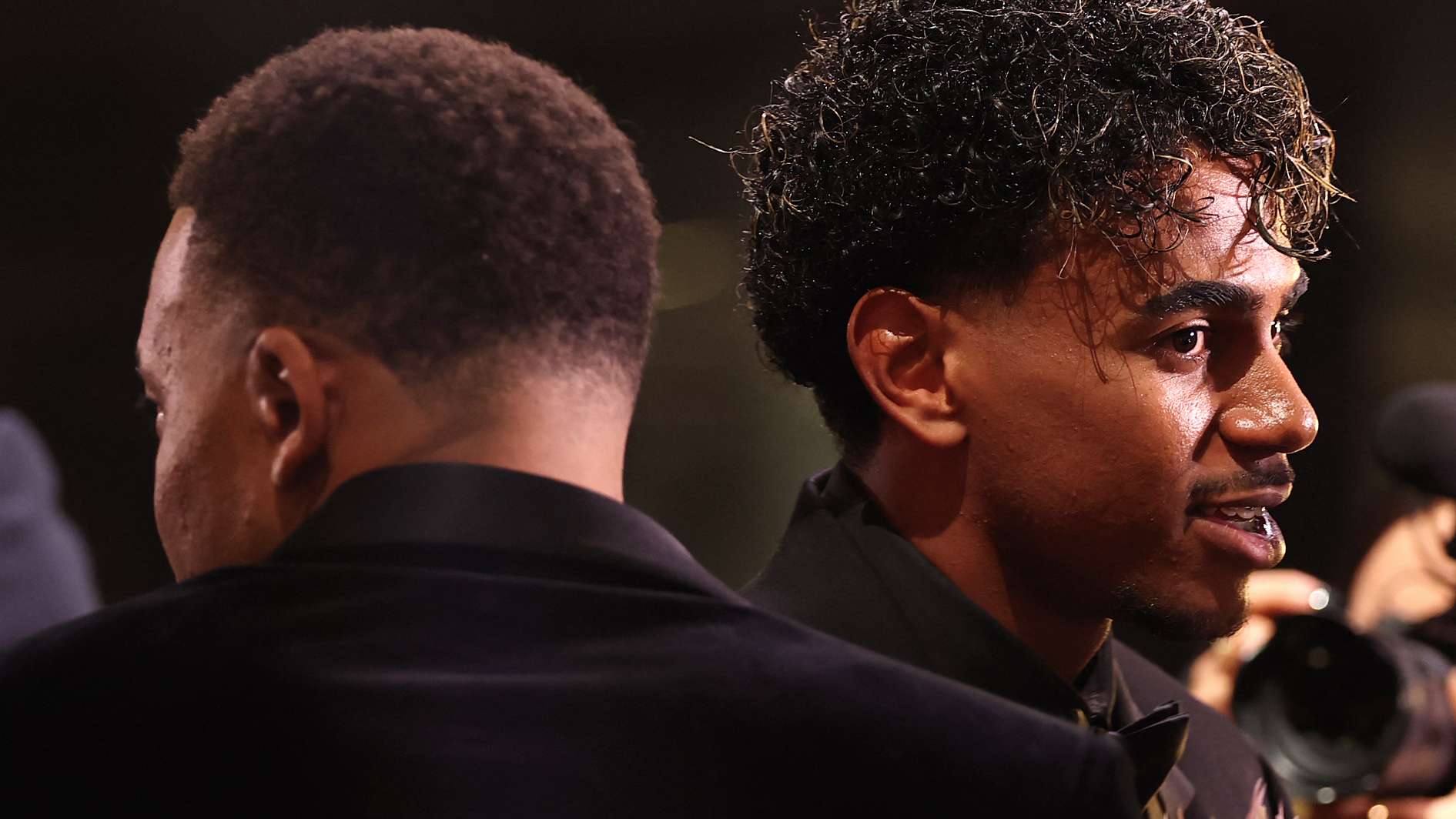
Now the ceremony is an international production, followed by fans and media around the world. The red carpet, interviews, designer outfits and appearances by current and former footballers have become part of the event’s identity. The award still centres on sporting achievement, but its reach now extends into entertainment, culture and commercial partnerships.
That transformation has helped make the Ballon d’Or one of the most recognisable awards in global sport. It gives supporters a chance to see football’s biggest names outside the usual match-day setting, while also creating a platform for women’s football, young players and achievements across different competitions. The ceremony’s wider profile can bring new audiences to the game, even as it invites debate about how individual excellence should be judged.
Why the 2026 ceremony mattered
The London event combined three ingredients that keep the Ballon d’Or relevant: uncertainty over the winner, a competitive field and a cast of football figures from across generations. The absence of credible leaks made the final announcement feel more dramatic, while the Spanish presence and the shared hotel story offered glimpses of the people and rivalries behind the headlines.
For supporters following the latest football news, the ceremony was more than a result. It was a reminder that the Ballon d’Or has become a global showcase for the sport and a yearly point of debate about form, influence and legacy. In 2026, organisers managed to preserve the biggest question until the closing moments—and, in doing so, restored a sense of genuine suspense to one of football’s most watched nights.