
Manu Carreño Challenges Mourinho: Real Madrid’s Football, Not the Referees, Should Be the Focus
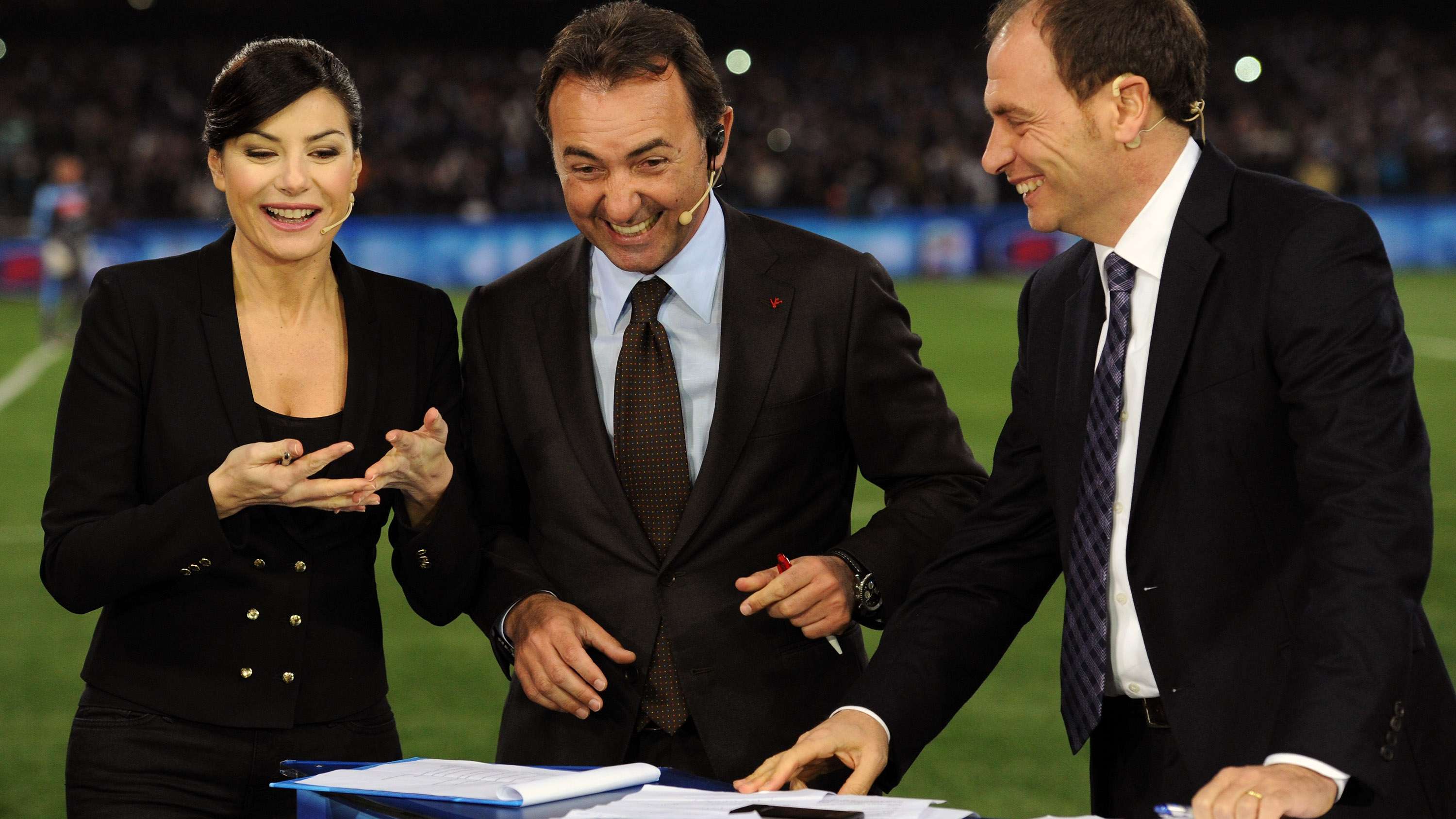
Spanish broadcaster Manu Carreño has delivered a sharp assessment of José Mourinho’s latest criticism of match officials, arguing that complaints about refereeing are distracting from Real Madrid’s more pressing concern: the quality of the team’s performances. Speaking on Cadena SER, Carreño said the club’s football has not been convincing and that referees cannot be blamed for its technical shortcomings.
His comments add another voice to the debate surrounding Mourinho, a coach whose public disputes with officials have followed him through several leagues and clubs. Carreño’s central point was not that refereeing decisions should escape scrutiny. Rather, he argued that recurring claims of bias risk becoming a familiar explanation for results, while questions about tactics, execution and the team’s style of play receive less attention.
Carreño Says Mourinho’s Referee Complaints Follow a Familiar Pattern
Carreño described Mourinho’s frustration with officials as a long-running feature of his coaching career, rather than a reaction unique to his current situation. He recalled similar disputes during the Portuguese manager’s spells at Porto, Chelsea, Inter Milan, Manchester United, Roma and other clubs. In Carreño’s view, the same suspicion has surfaced across different competitions and countries.
“Mourinho is a person who looks at referees as being against him personally, not against Real Madrid,” Carreño said. He suggested that this outlook has appeared in England, Italy, Turkey and Portugal, regardless of the club Mourinho was managing or the particular decision under discussion.
The broadcaster also used irony to make his point, describing the referee as a sporting judge who, in Mourinho’s telling, somehow seems to favour the teams he coaches. The remark underscored Carreño’s belief that the manager’s accusations have become predictable—and that repeatedly questioning officials can make it harder to distinguish legitimate criticism from a broader narrative of persecution.
The Latest Flashpoint: Mourinho’s Comments After Benfica’s Champions League Match
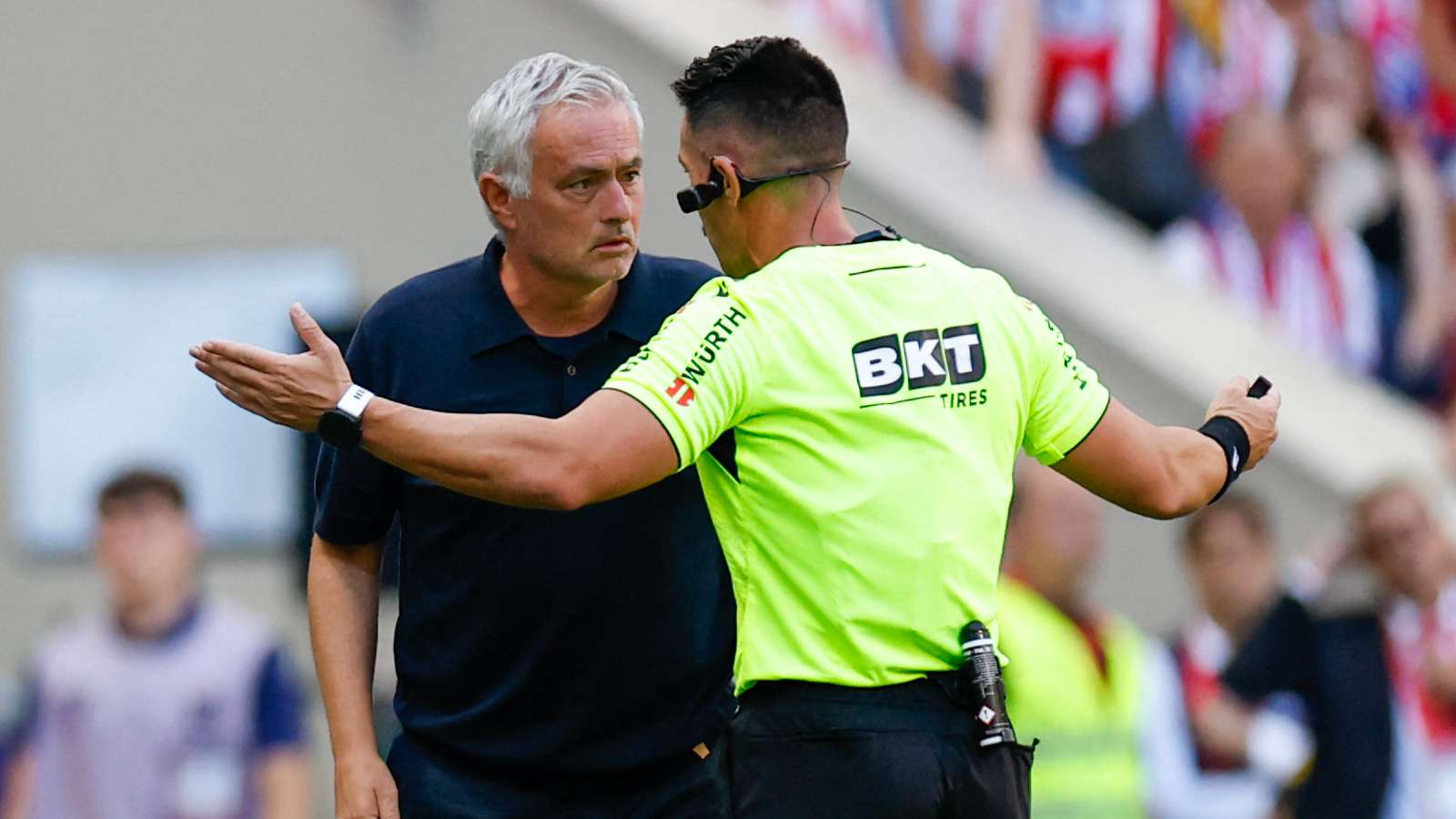
The latest dispute followed Benfica’s Champions League meeting with Real Madrid. Mourinho claimed that some Madrid players were being protected from yellow cards, referring to Aurélien Tchouaméni, Álvaro Carreras and Dean Huijsen. He said he had been sent off after making a pointed remark about a supposed note listing the players as individuals who did not deserve bookings.
The allegation quickly shifted attention from the match itself to the referee and the standards applied to both teams. Such claims are likely to generate strong reactions among supporters, particularly when they involve a high-profile European fixture. They also raise a broader question: how should coaches challenge decisions they believe are wrong without allowing criticism to overshadow the performance on the pitch?
Carreño’s answer was clear. He sees Mourinho’s comments as a way of directing public discussion toward officiating and away from the football. That does not establish that every complaint is unfounded, but it does invite fans to examine the evidence alongside the team’s overall display, rather than treating a controversial call as the only explanation for the result.
Real Madrid’s Performance Becomes the Bigger Talking Point
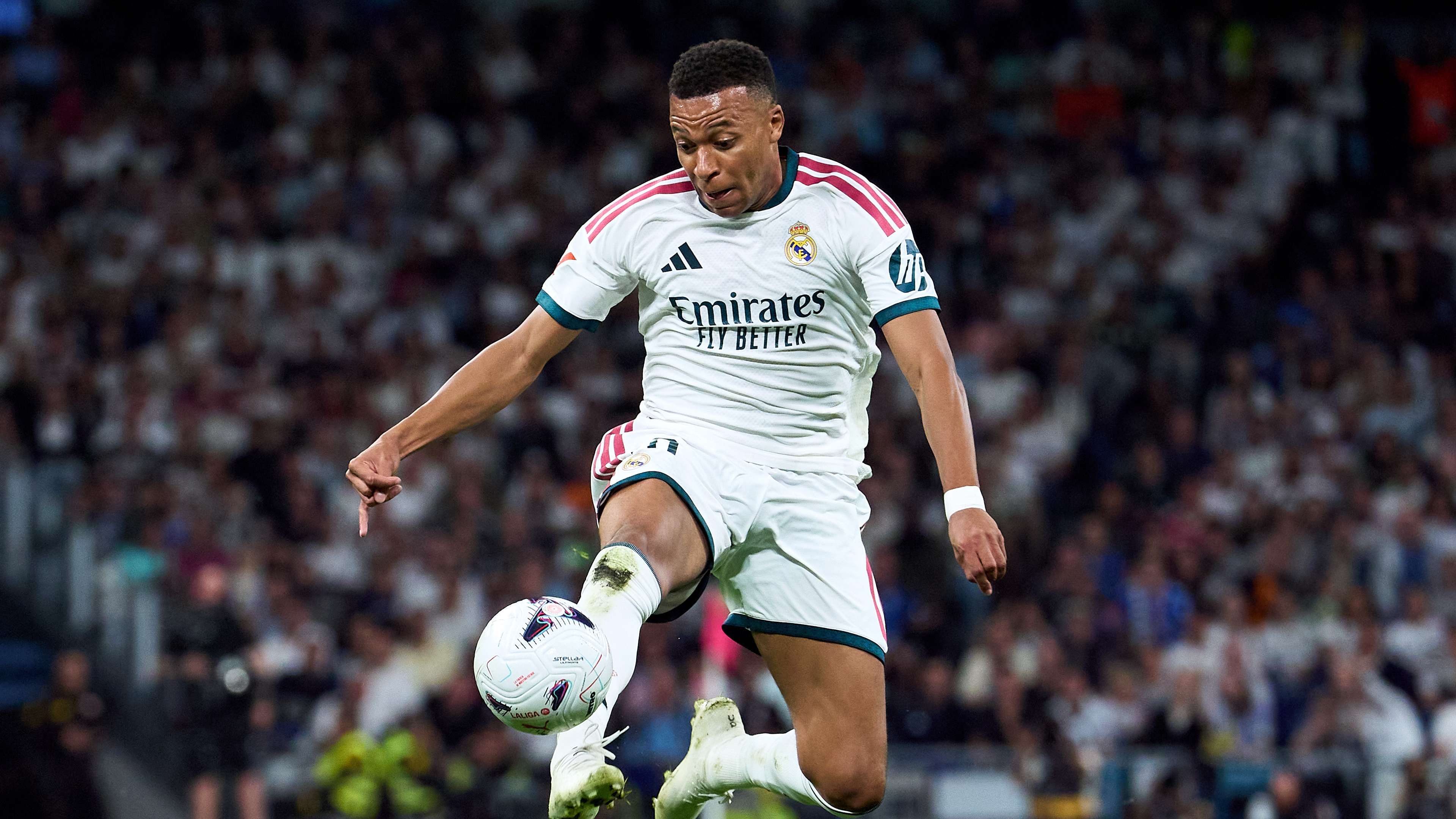
Carreño argued that Real Madrid’s football deserves more attention than the latest refereeing controversy. His criticism was blunt: the team, he said, is not producing the level of football expected, and that issue cannot simply be attributed to officials. For a club with Real Madrid’s ambitions, the debate extends beyond whether individual decisions were correct. Supporters also want to see a clear playing identity, effective movement, consistent control of matches and the ability to turn possession and chances into results.
Those concerns are especially relevant during a demanding season, when matches across domestic and European competitions leave little time for a team to correct weaknesses. A side can have elite players and still struggle to find balance. Defensive organisation, midfield connections, pressing intensity and decision-making in the final third all shape whether a team looks cohesive or merely relies on moments of individual quality.
That is why Carreño’s comments touch on a wider football question: when results disappoint, where should the analysis begin? Refereeing decisions can influence a game, and clubs are entitled to raise concerns through appropriate channels. But a full assessment should also consider tactical choices, player form, injuries, substitutions and how well the team executes its plan. Focusing on only one disputed incident may provide a simple explanation while leaving the underlying issues unresolved.
Separating the Refereeing Debate From the Football Debate
Carreño also called for two separate issues to be treated independently. One is the current tension around Spanish refereeing, including the wider debate connected to the Negreira case. The other is the sporting assessment of Real Madrid’s performances. Conflating the two, he warned, could make it harder to discuss either topic fairly.
The distinction matters because concerns about the credibility of officiating deserve careful examination, supported by evidence and transparent processes. At the same time, those concerns do not automatically explain every poor performance or disappointing result. A team’s technical and tactical problems remain its own responsibility, even when a match includes contentious decisions.
For supporters, separating the issues can lead to a more useful conversation. Instead of debating only whether a referee made a mistake, fans can also ask whether Real Madrid controlled the game, created enough clear chances, defended transitions effectively and showed the cohesion required to compete for major honours. Those questions provide a more complete picture of the team’s progress.
What the Debate Could Mean for Mourinho and Real Madrid
Carreño’s strongest concern is that repeated criticism of referees could shape the season’s conversation before the team’s football has a chance to speak for itself. If the narrative becomes centred on alleged bias, tactical shortcomings may be pushed into the background. That may offer short-term protection from criticism, but it does little to answer questions about performance or improve results.
Whether Real Madrid supporters accept Mourinho’s account remains to be seen. Some may view his comments as a necessary defence of his team; others may agree with Carreño that the focus should return to what happens during the 90 minutes. Either way, the prediction is that refereeing will remain a prominent talking point whenever a major decision becomes controversial.
Yet the most important measure for Real Madrid will be what the team produces in upcoming fixtures. Strong performances can quiet doubts more effectively than press-conference arguments, while continued inconsistency is likely to intensify scrutiny of the coach, the players and the club’s direction. Carreño’s message is ultimately straightforward: examine the officials when warranted, but do not let that discussion conceal the football. For Real Madrid, the challenge is to make its play—not the referee—the defining story.