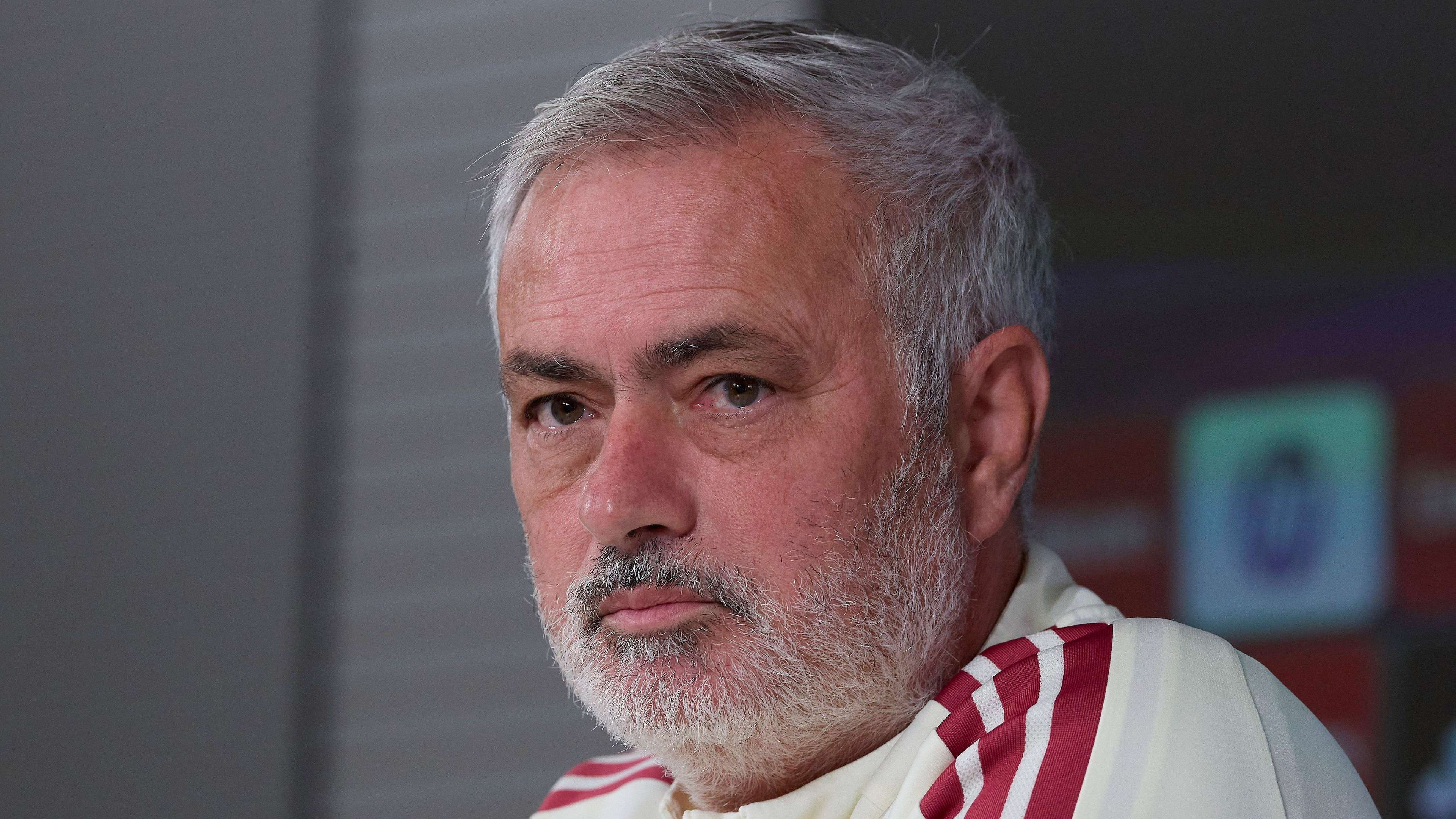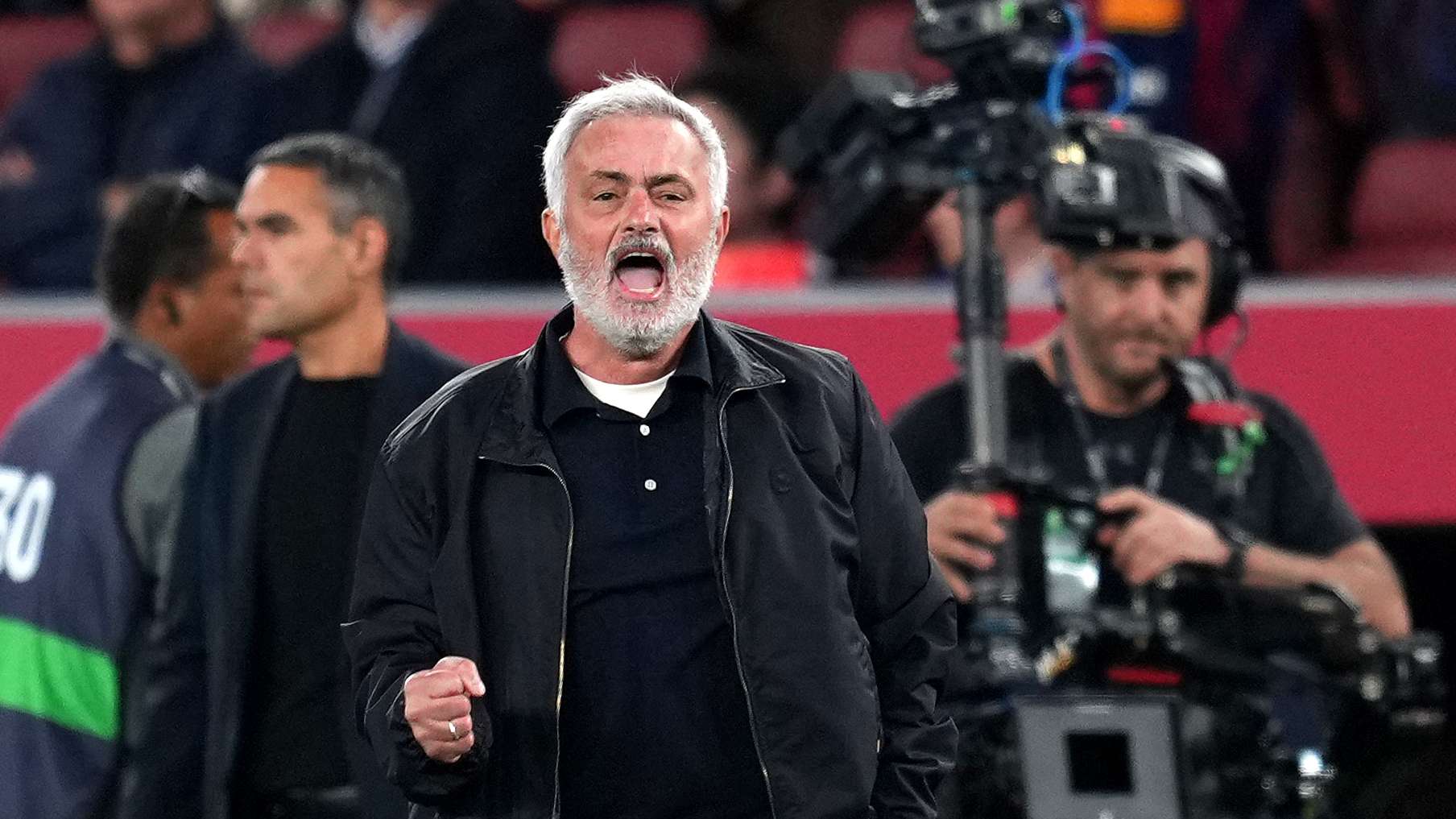

José Mourinho Returns to Santander as Racing Prepare for a Changed El Sardinero
José Mourinho’s return to Santander brings a familiar destination into focus—but the surroundings waiting for him have changed dramatically. When the Portuguese coach visits Racing Santander, he will revisit a city and stadium connected to his first spell at Real Madrid, while confronting a club transformed in sporting ambition, administration and supporter culture.
The upcoming fixture, listed for 1 November 2026, offers more than a meeting between two teams. It is also a story of memory and renewal: a return to a place Mourinho last knew 15 years ago, when Racing and El Sardinero were very different from the club and match-day environment they are today. For fans following Spanish football, the occasion provides an intriguing backdrop to the tactical contest and its accompanying prediction.
A familiar hotel, a changed football landscape
One detail is expected to remain reassuringly familiar. Mourinho will be based at the Real hotel, where Real Madrid stayed during his first tenure in charge. The hotel had also once served as Racing Santander’s own base, giving it a long connection to the club and the city. From his balcony, the coach can look out across the bay much as he did on his previous visit.
That familiar view may offer a moment of continuity before the match-day experience reveals how much has changed. The hotel and the outline of the city can preserve old memories, but the people, expectations and ambitions surrounding Racing have moved on. Mourinho will be returning to a setting he recognises geographically, yet one whose football identity has been reshaped over the years.
Such contrasts often give a fixture added emotional weight. Coaches may return to stadiums where they once worked, prepared or competed, but the meaning of those places changes as clubs evolve. For Mourinho, Santander is not simply another stop on the schedule: it is a reminder of an earlier chapter in his career, set against a new chapter in Racing’s story.
El Sardinero looks familiar—but feels different
El Sardinero’s physical appearance has reportedly changed little since Mourinho’s last visit in 2011. The stadium’s structure remains recognisable, preserving the setting that supporters and visiting teams have known for years. Yet a ground is defined by more than its architecture. The atmosphere in the stands, the club’s relationship with its fans and the ambitions attached to each match can make the same stadium feel entirely new.
The differences are apparent in the details. A coloured banner now stands out above the pitch, no longer surrounded by the torn flags that once formed part of the scene. The stands are described as lively, with a stronger sense of energy and connection. Those visual changes may seem small, but together they suggest a club that is presenting itself with renewed confidence.
For visiting players, a vibrant home crowd can influence the rhythm of a game. Noise and momentum may encourage Racing to press with greater intensity, especially during strong spells, while also placing pressure on opponents when they try to build attacks. That does not determine the result, but it is an important factor to consider in any football prediction.
Racing Santander’s wider transformation
The changes at Racing extend beyond the stands. The club has been transformed across sporting and administrative areas, while its supporters have also become part of a different environment. Together, these developments point to a broader renewal rather than a cosmetic refresh. A club’s progress depends on the way its football operation, leadership and fan base work in concert, and the new atmosphere at El Sardinero reflects that wider shift.
Renewed ambition can affect the way a team approaches a high-profile fixture. Racing will have the opportunity to measure its progress against a coach with an international reputation and a deep history in elite football. The occasion can motivate the home side, but it can also bring pressure: supporters will want the team’s performance to match the sense of optimism surrounding the club.
For Mourinho, the challenge will be to focus on the present rather than the memories attached to the venue. His familiarity with the city may be an advantage in practical terms, but the Racing he faces is not the same opponent he encountered 15 years ago. Any assessment of the match must account for the club’s current identity, the atmosphere at El Sardinero and the demands of the competition—not simply the history between the coach and the ground.
What the setting could mean for the match prediction
A reliable prediction begins with separating narrative from evidence. Mourinho’s return is a compelling storyline, but the outcome will depend on factors such as team selection, form, tactical discipline and the ability to handle the crowd’s energy. The information surrounding the fixture highlights Racing’s renewed spirit and a lively home setting, both of which could make the contest more demanding for the visitors than a glance at club reputations might suggest.
Racing may look to turn the occasion into an advantage by starting with intensity and drawing energy from the stands. If the home side can maintain its organisation while pressing aggressively, it could disrupt the visitors’ rhythm. Mourinho, meanwhile, is known for preparing carefully for opponents and adapting his approach to the circumstances. His experience in high-pressure matches could prove valuable if the game becomes tense or unpredictable.
Ultimately, El Sardinero’s atmosphere is a factor, not a forecast. The stadium’s renewed energy may help Racing compete, while Mourinho’s experience gives his side a different kind of strength. With team news and recent performances essential to any final assessment, the most balanced prediction is that the occasion could produce a closely contested match rather than a straightforward repeat of past expectations.
A return shaped by memory and change
Mourinho will find the hotel, the bay and the familiar outline of El Sardinero waiting for him. But the club inside the stadium has changed: its ambitions have grown, its surroundings have been refreshed and its supporters bring a new energy to match day. That contrast gives the fixture its particular appeal.
For Racing, the match is a chance to show how far the club has moved forward. For Mourinho, it is an opportunity to revisit a familiar place while confronting a very different football landscape. And for supporters, the meeting offers both nostalgia and fresh intrigue—a compelling reminder that in football, the setting may stay the same even as everything around it changes.