
Mourinho Targets Top-Eight Finish After Real Madrid’s Dramatic Win Over AEK Athens
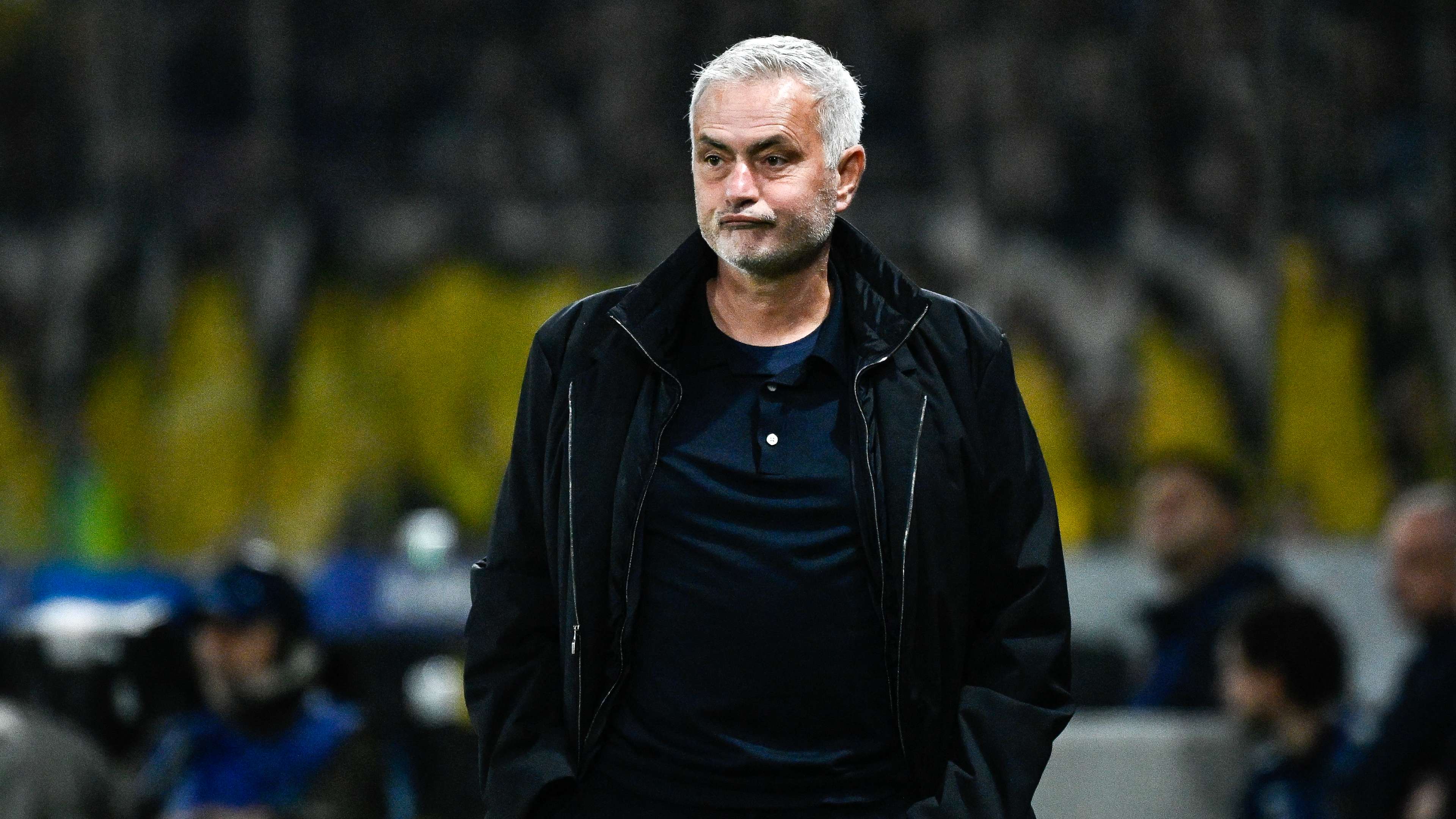
José Mourinho says Real Madrid will pursue every available point in their final two Champions League league-phase matches after a dramatic 3-2 victory over AEK Athens. The result secured Madrid’s place in the knockout play-offs, but the coach’s ambitions extend further: he wants his team to finish among the top eight and qualify directly for the round of 16.
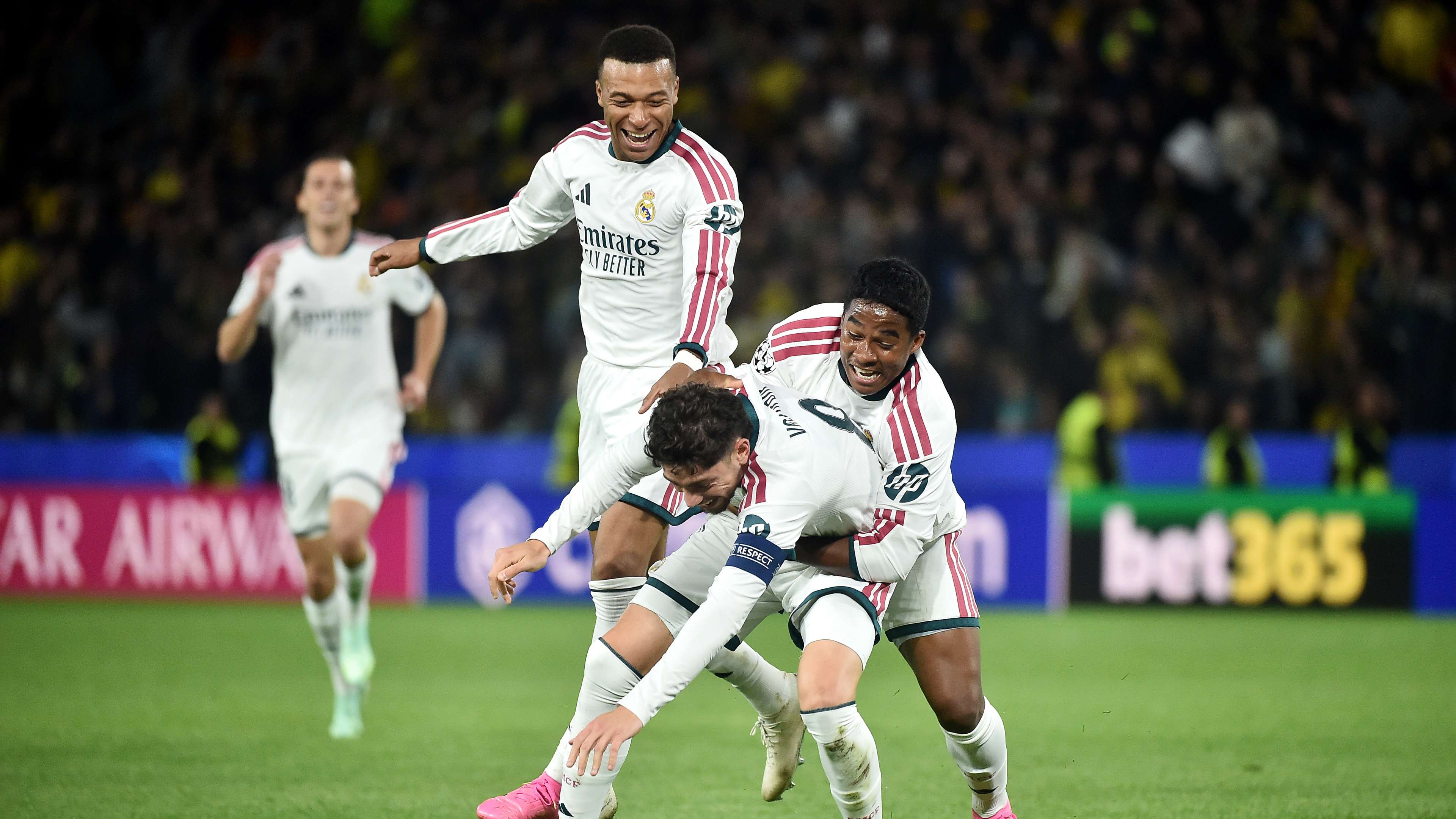
Madrid had to fight back in Athens on Wednesday, with both sides producing an open, high-energy contest. When the score reached 2-2, a draw would have been enough to take the Spanish side to 10 points and confirm play-off qualification. Mourinho said his players nevertheless chose to push for a winner rather than protect the result—and were rewarded with all three points.
Real Madrid Refuse to Settle for a Draw
Speaking to Movistar Plus after the match, Mourinho described the closing stages as exciting and emphasized the team’s determination to claim victory. As reported by Spanish newspaper AS, he explained that the draw would have been acceptable in terms of qualification, but Madrid wanted to improve their position in the standings.
“When the score became 2-2, we did not accept it, even though it was an acceptable result,” Mourinho said. “We wanted more, we took a risk, and we got the points that now guarantee us qualification to the play-off. Now we have to look for more points to avoid playing it.”
The result gives Madrid a valuable platform heading into the final two league-phase fixtures. Under the Champions League’s current format, the top eight teams advance directly to the round of 16, while clubs finishing from ninth to 24th must compete in a two-legged play-off. That makes every remaining point important for a team hoping to avoid an extra knockout round.
Why the Final Two Matches Matter
Madrid’s immediate objective is clear: collect enough points to climb into the top eight. A direct place in the round of 16 would provide more than a shorter route through the competition. It would also reduce the risk of an additional high-pressure tie, give the squad more recovery time and help the coaching staff manage player workloads during a demanding season.
Mourinho’s comments also underline the difference between securing qualification and improving a team’s position. Madrid have already ensured they will continue in the competition, but the coach does not want his players to treat that milestone as the end of the job. Their approach against AEK—continuing to attack after conceding an equalizer—suggested that the team is focused on winning rather than merely avoiding defeat.
Mourinho Gives AEK Athens Credit for Their Performance
Mourinho rejected the idea that Madrid’s difficult start was simply a consequence of his own team performing below its usual standard. Instead, he credited AEK Athens for delivering a strong performance and making life uncomfortable for the visitors from the opening minutes.
He said AEK played with impressive intensity, competed effectively in individual duels and repeatedly won both the first and second balls. The Greek side also looked dangerous when transitioning quickly from defence to attack, forcing Madrid to respond to a level of pressure that Mourinho felt went beyond what his pre-match analysis had anticipated.
“We analysed many of AEK Athens’ matches, but they delivered their best match,” he said. Mourinho added that AEK continued to pursue a win even after the game was level at 2-2, rather than retreating into a defensive shape to protect a point. His assessment offered a clear explanation for why Madrid needed to take risks late in the match: the hosts remained ambitious, so a cautious approach would not necessarily have made the result safer.
That praise also gives useful context to Madrid’s comeback. The visitors were not simply dealing with an unexpectedly poor performance from themselves; they were facing an opponent playing with confidence, aggression and a willingness to attack. In a competition where away matches can be shaped by hostile atmospheres and momentum swings, Madrid’s ability to stay composed and find a winning goal could prove important later in the campaign.
Valverde’s Role and the Need for Faster Attacks
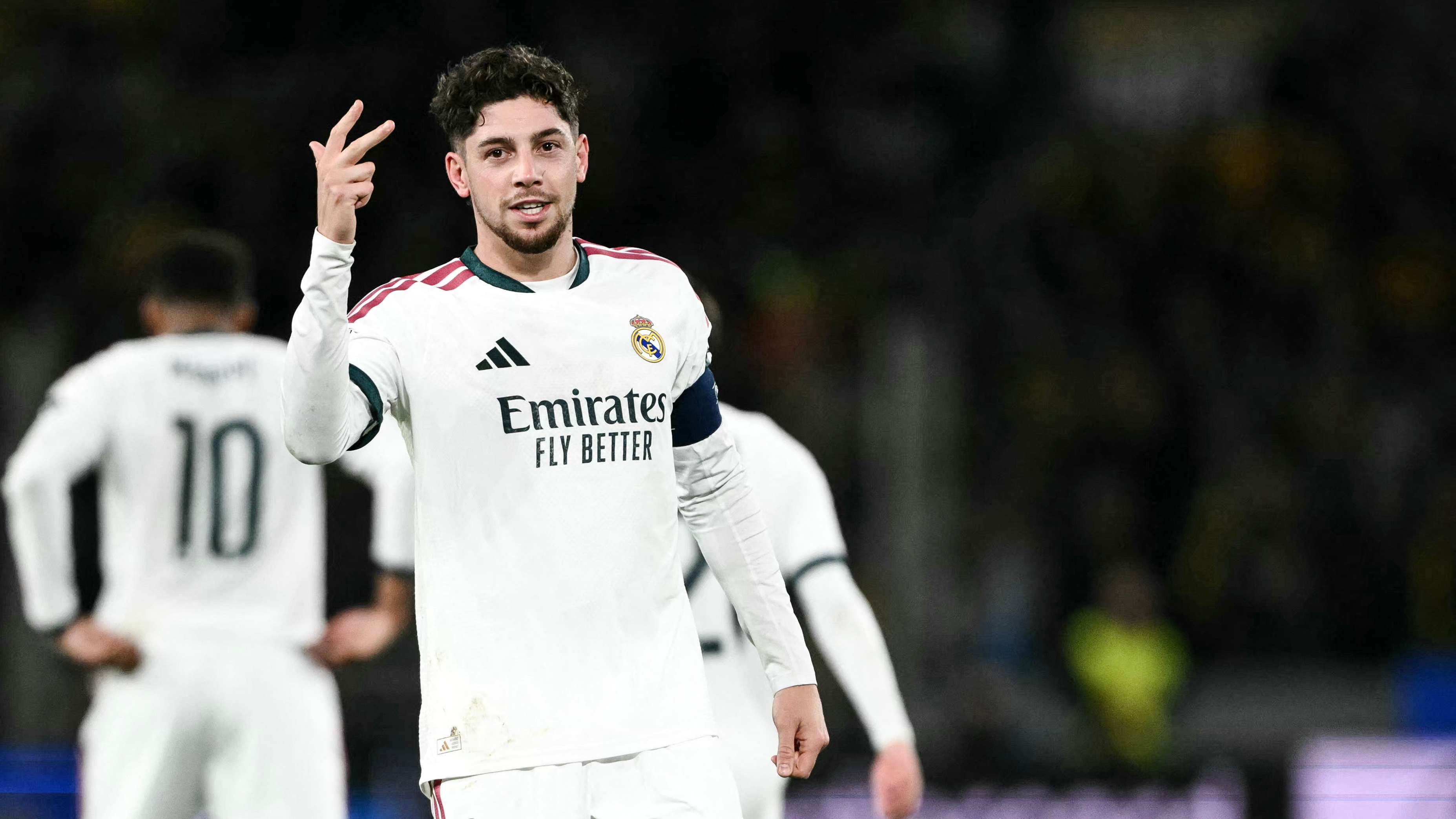
Mourinho was also asked about Federico Valverde’s shooting and whether he had encouraged the midfielder to attempt more efforts on goal. The coach said he had not specifically instructed Valverde to shoot during the match. Instead, he told the player that the game had become more open and that Madrid needed to move the ball forward quickly.
Valverde’s position was part of the explanation. When deployed at right-back, he may have fewer opportunities to arrive in shooting areas than he would in a more advanced midfield role. Mourinho’s focus, therefore, was less about a particular player taking shots and more about exploiting the space created as the match stretched. Faster play, he suggested, was the priority once both teams began searching for a decisive goal.
Vinícius Júnior Earns Mourinho’s Support
Vinícius Júnior also received a positive assessment despite being substituted. Mourinho said the Brazilian had delivered a good and acceptable performance, explaining that the change was intended to bring fresh energy to the left side rather than signal dissatisfaction with the forward.
The decision reflects the demands of a match that remained intense late into the second half. Fresh substitutes can change the pace of an attack, especially when opponents have spent much of the game defending wide areas or tracking quick runners. Mourinho’s explanation was measured: he was pleased with Vinícius, but felt Madrid could benefit from additional vitality on that flank as the contest entered its decisive moments.
Madrid’s Champions League Prediction: More Points, Higher Ambitions
The win over AEK Athens leaves Madrid with play-off qualification secured, but Mourinho’s message is that the team must keep pushing. His football prediction for the closing stretch is not based on simply protecting their current position; it is rooted in the possibility of moving into the top eight and earning direct access to the round of 16.
Madrid’s response to the 2-2 scoreline may offer a preview of the mindset Mourinho expects in those final fixtures. The team accepted the risks involved in chasing a winner because the potential reward outweighed the comfort of a draw. If Madrid can combine that attacking intent with greater control against opponents who press aggressively, they will strengthen their chances of avoiding the play-offs.
For now, the victory is both a qualification milestone and a warning that the league phase remains unfinished. AEK pushed Madrid hard, Mourinho praised their intensity, and the Spanish side had to show resilience to leave Athens with three points. The next challenge is to turn that hard-fought result into momentum—and secure the points needed to make the top-eight target a reality.