
Zamalek Coach Says His Side Deserved Two Penalties After Al Ahly Defeat
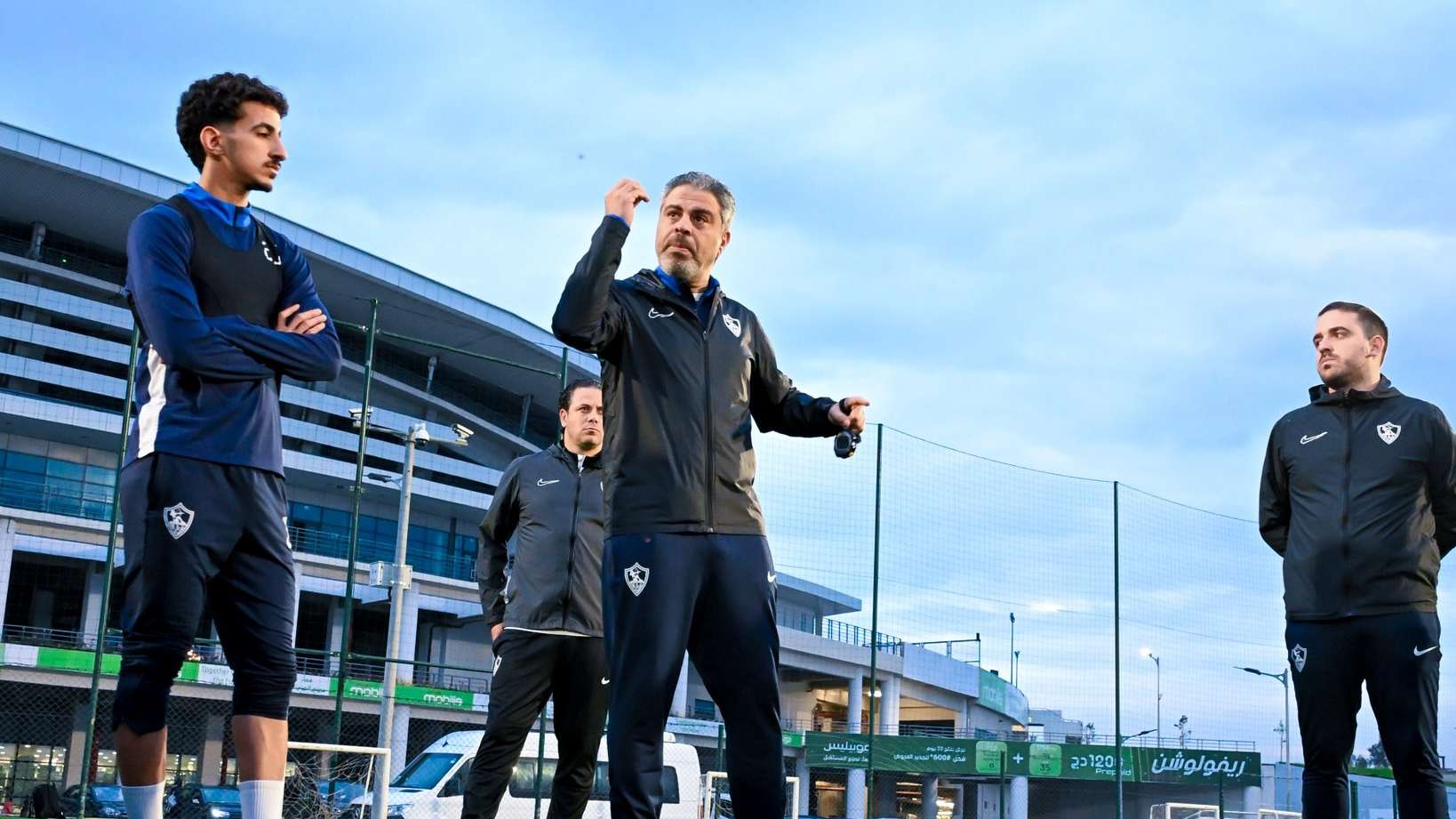
Zamalek head coach Moatamed Gamal believes his team should have been awarded at least two penalties in Sunday’s Cairo derby, but he also acknowledged that missed chances and avoidable errors contributed to the 2-0 defeat by Al Ahly. After the Egyptian Premier League clash, Gamal apologised to the White Knights’ supporters and urged his players to turn their attention to the next challenge.
The result came in the sixth round of the league and gave Al Ahly the edge in one of Egyptian football’s most closely watched fixtures. For Zamalek, the loss was frustrating not only because of the scoreline, but because Gamal felt his side had opportunities to change the course of the match, particularly after the break.
Gamal: Zamalek improved after half-time
Speaking at his post-match press conference, Gamal said Zamalek had been unfortunate to concede the opening goal. He explained that the ball struck a player and changed direction, leaving his team exposed to a deflection that disrupted its defensive shape.
“Fortune was not on our side in the first half,” Gamal said, describing the opener as a difficult moment for his players. He added that Zamalek performed better in the second half and created chances, but failed to make them count before Al Ahly scored again.
That assessment points to a familiar problem in high-pressure football: a team can improve its play and still struggle to turn possession or promising attacks into goals. Against a rival as experienced as Al Ahly, missed opportunities can be costly. Zamalek’s inability to convert its openings left the team chasing the game, while the second goal made a comeback considerably harder.
Penalty claims add to derby frustration
Gamal’s strongest criticism concerned two incidents in the penalty area. He said Zamalek deserved at least two spot-kicks and described the decisions as unusual, while noting that he generally avoids speaking publicly about refereeing.
“I hope everyone watches the two incidents,” he said, calling for the moments to be reviewed. Penalty appeals often become a major talking point after a derby, especially when the score is tight or one side believes a decision could have changed the momentum. However, the coach’s comments did not alter the result, and Zamalek must now focus on correcting the problems it can control.
For supporters, the disputed calls will likely remain part of the post-match conversation. Yet the team’s missed chances and defensive mistakes are also central to understanding the defeat. A balanced review of the match requires looking at both the refereeing debate and Zamalek’s execution in key moments.
Injuries forced a change in Zamalek’s approach
Gamal said his tactical reshuffle was driven by a series of availability problems. Several absences and injuries limited his options, while forward Oday Dabbagh became ill after returning to the squad. Adam Kayed was also injured during the warm-up, forcing another late adjustment before kick-off.
Those setbacks can complicate a coach’s preparation for any match, but they are especially significant in a derby, where tactical balance and familiarity between players matter. A change in formation or personnel may affect pressing, defensive coverage and the team’s ability to move the ball forward. Gamal said the adjustments were necessary under the circumstances rather than a preferred plan.
He also explained why Ahmed Sherif started, pointing to the forward’s pace. According to the coach, Sherif’s runs helped create Zamalek’s main threat in the first half. Speed can be valuable against a compact defence, giving a team the option to attack space behind the opposition’s back line. In this case, however, Zamalek could not turn that threat into a goal.
Coach rejects description of a heavy defeat
When a journalist suggested the result was harsh, Gamal pushed back. He described the contest as “50-50” and said the scoreline should not be considered a heavy defeat. His response reflected the narrow margins of the match as he saw them, even though Al Ahly finished with a two-goal advantage.
Gamal also attributed both goals to “simple mistakes” and said the coaching staff would work to prevent a repeat. Such errors can include poor positioning, a lapse in concentration or a failure to deal with a dangerous ball. In major fixtures, even a brief loss of organisation can be enough to give the opposition a decisive opening.
For Zamalek, the immediate task is to examine those moments without allowing frustration over the penalty claims to overshadow the need for improvement. Sharper finishing and more reliable defending will be essential if the team is to respond positively in its upcoming matches.
Focus shifts to the African Champions League
Gamal said Zamalek would close the chapter on the derby and begin preparing for its important African Champions League qualification fixture against the Rwandan Army side. The continental match offers the club an opportunity to reset, although the short turnaround means the coaching staff will need to assess the squad’s fitness and manage the impact of the recent injuries.
A strong response could help restore confidence, particularly among players who were disappointed by the defeat. The challenge will be to carry forward the positive elements Gamal identified in the second half while reducing the mistakes that allowed Al Ahly to score twice.
Gamal apologises to Zamalek supporters
The coach ended his comments with an apology to the club’s fans. He said he had hoped to make them happy by beating Al Ahly, recognising the emotional importance of the derby to the White Knights’ support base.
For now, any prediction about Zamalek’s next performance will depend on how quickly the team recovers and whether key players are available. The defeat has raised questions about finishing, defensive concentration and the effect of late squad changes, but it has also given the coaching staff clear areas to address. Zamalek’s next test will show whether the team can turn the disappointment into a more disciplined and decisive display.